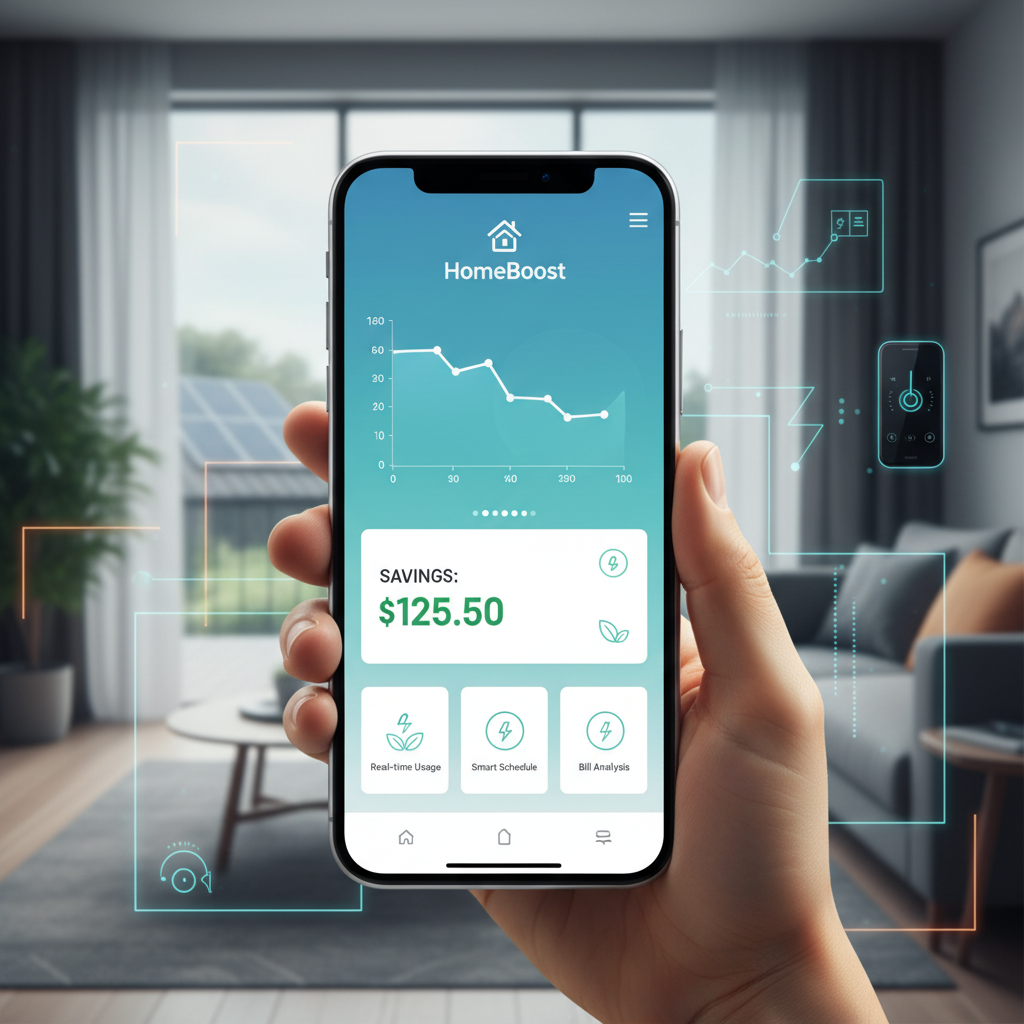
The hum of servers filled the air, a constant reminder of the data flowing through the HomeBoost offices. It was late January 2026, and the engineering team was deep in the final stages of testing the new app. The goal? To help homeowners slash their utility bills.
HomeBoost’s app, slated for release in early 2026, is designed to analyze a homeowner’s energy usage and recommend specific upgrades to boost efficiency. The startup is partnering with various utilities to integrate data and provide tailored advice. This collaboration is a key part of their strategy, helping them reach a wider audience and provide more accurate recommendations.
“We’re aiming for a 15-20% reduction in energy bills for the average user,” stated Sarah Chen, HomeBoost’s lead engineer, during a recent internal presentation. That’s a significant figure, and the team was working hard to ensure the app delivered on its promise. The app will consider factors like home size, insulation, and appliance efficiency.
Meanwhile, in the marketing department, the team was finalizing the launch plan. They were particularly focused on the user interface, making sure it was intuitive and easy to navigate. After all, the app’s success hinged on its usability.
The partnership with utilities is crucial. HomeBoost can access real-time energy consumption data, allowing for more precise recommendations. This integration also helps to build trust with users, as the information comes directly from their utility provider.
According to a report by the Energy Efficiency Institute, the market for home energy upgrades is projected to reach $50 billion by 2028. HomeBoost is positioning itself to capture a significant share of this market, offering a user-friendly solution that combines technology with practical advice.
The app isn’t just about saving money; it’s about making homes more sustainable. By recommending energy-efficient upgrades, HomeBoost is contributing to a greener future. It’s a win-win, really.
The team was still fine-tuning the algorithms behind the scenes, making sure the app could handle the massive influx of data and provide accurate recommendations. It’s a complex task, but the potential rewards—for homeowners and the environment—are substantial.
The rollout will start in select cities, with a wider launch planned for later in the year. The team is confident that the app will make a real difference, one home at a time.
Leave a Reply