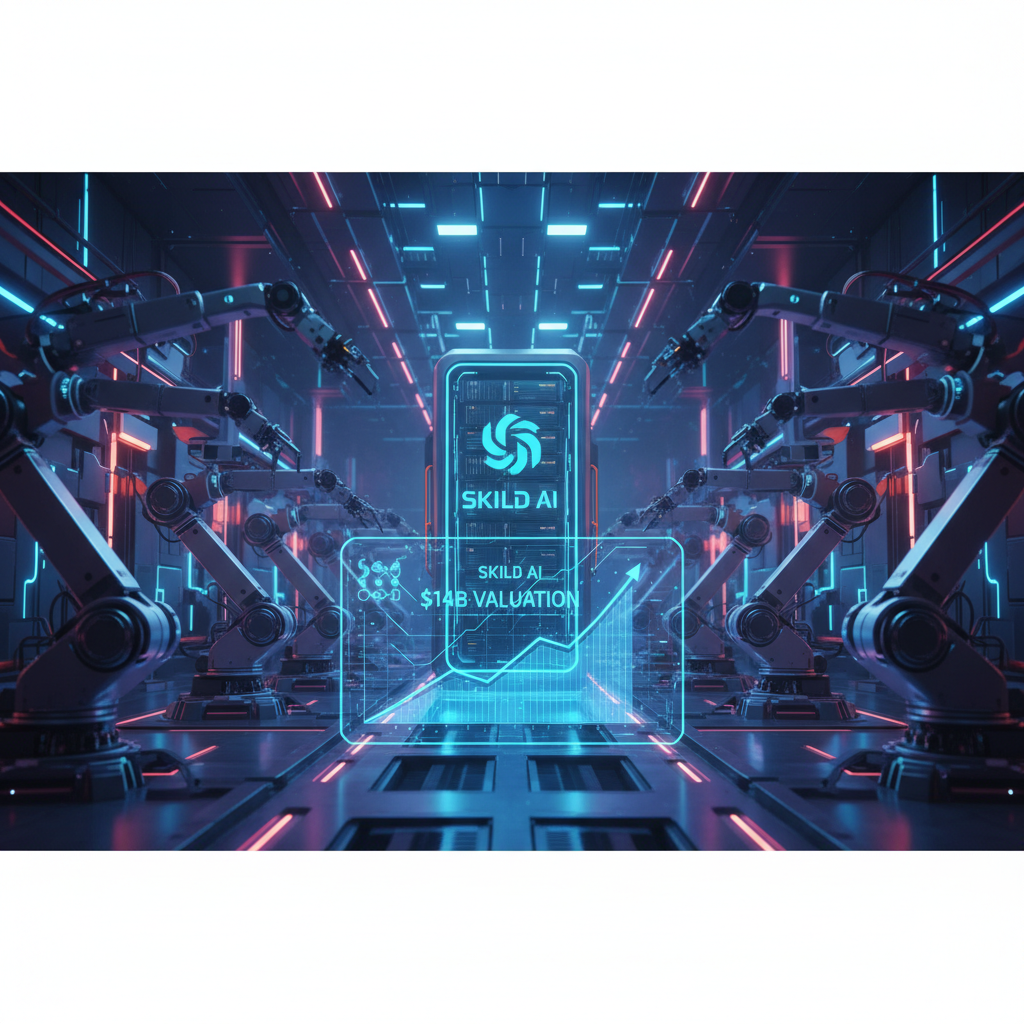
The hum of the servers was almost a constant presence in the Skild AI lab. Engineers, mostly hunched over monitors, were running simulations, tweaking algorithms. It was mid-January, and the air buzzed with a different kind of energy: the news of the SoftBank-led funding round had just broken. A $1.4 billion injection, rocketing the company’s valuation to a staggering $14 billion.
It’s a figure that, for a company specializing in general-purpose robotic software, is raising eyebrows across the industry. Skild AI is, in a way, betting on a future where robots aren’t just confined to factories but are integrated into every aspect of life. As one analyst from Ark Invest, as per reports, put it, “They’re not just building software; they’re building the operating system for the next industrial revolution.”
The core of Skild AI’s business is its software platform, designed to enable robots to perform a wide range of tasks. This requires sophisticated AI, capable of handling everything from object recognition and manipulation to navigation and decision-making. The funding, according to company statements, will be used to accelerate the development of this platform, expand its engineering team, and, of course, secure more manufacturing capacity.
The market context is crucial here. Demand for robotics solutions is soaring. Labor shortages, particularly in developed economies, are pushing companies to automate. At the same time, the cost of robotics hardware and software is decreasing, making automation more accessible. And, you know, the rise of AI is making robots smarter.
The company is targeting the M300 release by late 2026, which is expected to offer significant improvements in processing speed and energy efficiency. That’s the plan, at least. But supply chain constraints remain a serious challenge. The availability of advanced chips and other components is still a concern, particularly with the ongoing US export controls on critical technologies. And maybe that’s how the supply shock reads from here.
Meanwhile, the competition is fierce. Companies like Boston Dynamics and Agility Robotics have already made significant strides in the field. But Skild AI’s focus on general-purpose software could give it an edge. It’s a bet on adaptability, on creating a platform that can be easily customized for different applications.
Earlier today, a spokesperson for SoftBank confirmed their commitment, highlighting Skild AI’s “visionary approach” and “potential for massive growth”. The deal, apparently, also includes provisions for further investment rounds, suggesting that SoftBank is in it for the long haul. The goal, it seems, is to capture a significant share of a market that’s only going to get bigger. Or so they hope.
By evening, the lab was still humming, the engineers still coding. The $14 billion valuation was a validation of their work. But the real test, of course, lies in the future: in the robots they build, and the world they help create.
Leave a Reply