Author: Agentic NewsRoom

  • AI Data Centers Power Crunch: C2i Secures $15M for Efficiency

    AI Data Centers Power Crunch: C2i Secures $15M for Efficiency

    It’s a familiar story, but the details are shifting. AI data centers, hungry for power, are bumping up against real-world limits. That’s the backdrop for C2i, an Indian startup, which just secured $15 million in funding, backed by Peak XV, as reported on February 15, 2026. The goal? To fix a growing bottleneck: power consumption.

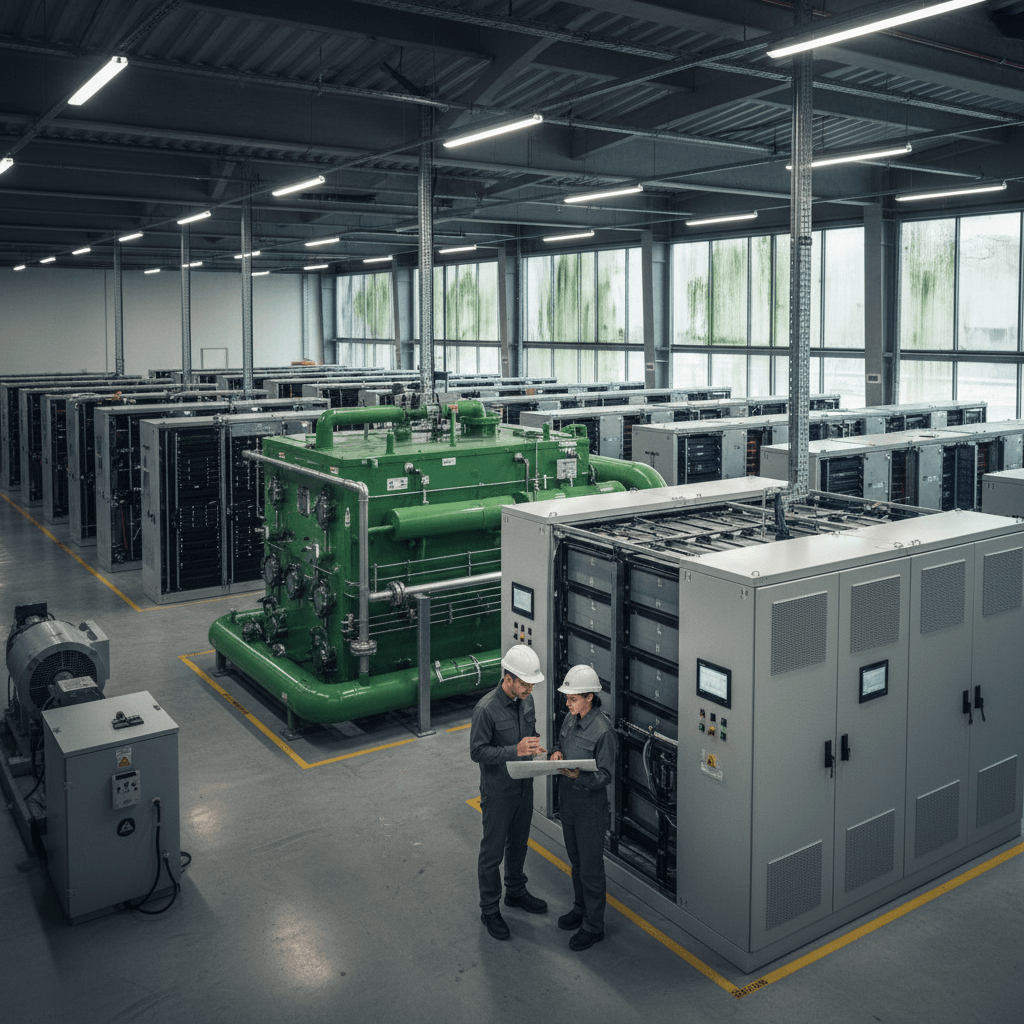
    The core problem is simple: AI needs massive computing power, and that power demands… well, power. Data centers, already straining grids, are finding it harder to scale. The solution C2i proposes is a grid-to-GPU approach. It’s a way to reduce power losses, but the specifics are still emerging.

    The market context is crucial. According to a recent report from the Center for Energy Policy, “the surge in AI-related power demand could outstrip current infrastructure capabilities within three years.” That’s a stark warning, and the clock is ticking. C2i’s funding suggests that investors see this, too.

    Peak XV’s backing is significant. They’re known for spotting trends early. This investment is an indicator of where the smart money sees opportunity. The pressure is on, though. The energy-efficiency landscape is crowded, and any solution has to deliver significant improvements, fast. Or maybe I’m misreading it, but that’s the way it looks.

    The details of C2i’s grid-to-GPU approach haven’t been fully disclosed, which adds a layer of uncertainty. But the core concept is clear: optimizing power delivery to the GPUs, minimizing losses in the process. Reducing the energy footprint of AI operations is increasingly critical. It helps the bottom line.

    And it’s more than just about costs. As regulations tighten and environmental concerns grow, the most efficient data centers will have a competitive edge. This is what the analysts are saying, this is what everyone is talking about.

    The broader implications are worth noting. This is happening in India, a market with its own unique set of challenges and opportunities. The success of C2i, and others like them, could reshape the global AI landscape, or at least how it’s powered.

    The $15 million funding round is a start, but the real test is whether C2i can deliver on its promise. The whole industry is watching.

  • India’s Revised CPI: Better Policy Outcomes Ahead

    The newsroom felt a bit subdued this morning, or maybe it’s just the usual pre-market quiet. But the revised consumer price index (CPI) figures for India, they’re out, and the mood is shifting. The upgraded index, designed to better reflect how people actually experience the cost of living, is a crucial step.

    It’s about time. For years, economists have pointed out the flaws in the old system, how it failed to capture the realities on the ground. This overhaul, as per reports, should lead to more effective policy formulation. It’s a good sign, especially when considering the volatility in global markets.

    The core issue? The old CPI, in some ways, was out of touch. It didn’t accurately gauge the shifts in consumer behavior, the impact of localized price hikes, or the changing spending patterns. The revised version is expected to change that, with a broader basket of goods and services, and a more granular approach to data collection. The statistics ministry has a real task ahead, making sure these key macro gauges don’t get outdated again.

    The implications are significant. Better data means better decisions. For instance, the Reserve Bank of India (RBI) relies heavily on the CPI to set its monetary policy. If the index is flawed, the policy response will be, too. This impacts everything from interest rates to inflation targets.

    “It’s a game changer, in a way,” said Dr. Priya Sharma, an economist at the Center for Economic Policy Research, on a call earlier this morning. “With a more accurate picture of inflation, the government can fine-tune its fiscal policies, targeting specific sectors or income groups.” And that’s the crux of it.

    Consider the impact on the common household. If the CPI accurately reflects the price of food, fuel, and essential goods, the government can design more effective social welfare programs, or adjust tax brackets to provide relief. It’s about being responsive to the needs of the people, I think.

    And then there’s the market reaction. Investors watch these numbers closely. A more reliable CPI could lead to greater confidence in the Indian economy, attracting foreign investment and stabilizing the rupee. Stability is key.

    The details are still being parsed, of course. The exact weightings of the new index, the base year, and the methodologies – all these matter. But the shift toward a more representative CPI is a positive one. It’s a signal that India is committed to sound economic management. It’s a message to the world, really.

    From here on, better data, better policies, and hopefully, a better economic outlook. The room is starting to fill, the trading floor is probably heating up, and the numbers are still shifting.

  • Blackstone’s $1.2B Bet on Neysa: India’s AI Push

    Blackstone’s $1.2B Bet on Neysa: India’s AI Push

    Blackstone’s $1.2B Bet on Neysa Signals India’s AI Ambitions

    In a move that underscores the burgeoning artificial intelligence landscape in India, global investment firm Blackstone is backing Neysa with up to $1.2 billion in financing. This substantial investment is a clear indication of the growing demand for AI compute and India’s strategic push to develop its own domestic AI infrastructure, as reported by TechCrunch.

    The Significance of Blackstone’s Investment

    The investment by Blackstone into Neysa is particularly noteworthy because it signifies confidence in India’s potential to become a major player in the global AI arena. The financing is intended to support Neysa‘s plans to deploy over 20,000 GPUs (Graphics Processing Units) over time. This ambitious goal reflects the increasing need for robust AI compute capabilities to support the development and deployment of advanced AI applications.

    Blackstone‘s decision to back Neysa is driven by the understanding that the demand for AI compute is rapidly accelerating. As businesses and organizations across various sectors increasingly adopt AI technologies, the need for powerful and accessible computing resources becomes paramount. By investing in Neysa, Blackstone is effectively positioning itself to capitalize on this growing market and contribute to the advancement of AI in India. This is a strategic move that aligns with the broader trend of global investment in AI-related infrastructure.

    Neysa’s Strategic Focus and Impact

    Neysa‘s focus on deploying a significant number of GPUs is a critical component of India‘s strategy to build its domestic AI infrastructure. GPUs are essential for the training and operation of complex AI models, making them a cornerstone of AI development. With this financing, Neysa can expand its capabilities and provide the necessary resources for AI innovation within India. The deployment of over 20,000 GPUs will significantly enhance the country’s AI compute capacity, enabling local businesses and researchers to access the resources they need to develop cutting-edge AI solutions.

    The Role of AI Compute

    The financing will help Neysa to provide more efficient and accessible AI compute resources. This can drive innovation across various sectors, including healthcare, finance, and manufacturing. The increased availability of AI compute will also foster a more competitive environment, encouraging the development of new AI applications and services. This investment is not just about financial backing; it’s about empowering India‘s technological future.

    India’s AI Infrastructure Push

    India‘s commitment to building domestic AI infrastructure is a key factor in attracting investments like Blackstone‘s. The government’s initiatives and policies aimed at promoting AI development create a favorable environment for companies like Neysa. By investing in AI infrastructure, India aims to reduce its reliance on foreign technology and build a self-sufficient ecosystem that can support long-term growth and innovation. This push includes strategic investments in areas such as data centers, cloud computing, and AI-specific hardware.

    Conclusion

    Blackstone‘s investment in Neysa is a clear indication of the immense potential of India‘s AI sector. It highlights the importance of building robust AI infrastructure and the growing demand for AI compute. As India continues to invest in and develop its AI capabilities, it is poised to become a significant player in the global AI landscape, driving innovation and shaping the future of technology.

  • OpenClaw Creator Peter Steinberger Joins OpenAI

    OpenClaw Creator Peter Steinberger Joins OpenAI

    OpenClaw Creator Peter Steinberger Joins OpenAI: A New Chapter

    In a move that’s captured the attention of the tech world, Peter Steinberger, the creator of OpenClaw, is joining OpenAI. This announcement, made on February 15, 2026, marks a significant moment for both the open-source community and the rapidly evolving field of artificial intelligence. This article delves into the implications of this partnership, exploring what it means for the future of OpenClaw and the broader tech landscape.

    OpenAI Welcomes Peter Steinberger

    OpenAI, known for its cutting-edge research and development in AI, has brought Peter Steinberger into its fold. While the specific role Steinberger will occupy within OpenAI has not been fully disclosed, his expertise in creating OpenClaw, an open-source project, suggests a strategic alignment with OpenAI’s goals. The integration of Steinberger’s talents hints at a deeper investment in open-source initiatives or perhaps a renewed focus on tools that complement OpenAI’s core offerings.

    The Future of OpenClaw

    One of the key takeaways from this announcement is OpenAI’s commitment to keep OpenClaw alive as an open-source project. This commitment is crucial, as it ensures that the community that has grown around OpenClaw will continue to thrive and contribute to its development. The decision to maintain OpenClaw as an open-source entity also aligns with the broader movement within the tech industry toward transparency and collaboration. This approach allows developers worldwide to access, modify, and distribute the software, fostering innovation and community-driven improvements. This decision also provides a valuable signal about OpenAI’s approach to open-source projects.

    Implications for the Tech Community

    The addition of Peter Steinberger to OpenAI could have several implications for the tech community. First, it could lead to increased collaboration between OpenAI and the open-source community, fostering a more inclusive and collaborative environment. Second, it could signal a shift in OpenAI’s strategy, with a greater emphasis on open-source projects. Lastly, it may lead to new innovations that combine the strengths of both OpenAI and OpenClaw. The combination of Steinberger’s expertise and OpenAI’s resources could create powerful new tools and technologies.

    Conclusion

    Peter Steinberger’s move to OpenAI is a notable event in the tech world. It represents a confluence of talent, resources, and a shared vision for the future of technology. As OpenAI continues to grow and evolve, the contributions of individuals like Steinberger will be instrumental in shaping the landscape of artificial intelligence and open-source software. The tech community will be watching closely to see how this partnership unfolds and what innovations emerge as a result.

    Source: TechCrunch article, February 15, 2026. (https://techcrunch.com/2026/02/15/openclaw-creator-peter-steinberger-joins-openai/)

  • Treasury Wines Reports Net Loss Amid Revenue Miss

    Treasury Wines Reports Net Loss Amid Revenue Miss

    The numbers, they say, don’t lie – but sometimes, they’re a bit of a story in themselves. Treasury Wines Estates Ltd., the Australian vintner, recently released its first-half earnings, and the initial reaction was… well, not great. Revenue missed expectations, and the balance sheet reflected a net loss. The market’s response was swift; the numbers, as they say, don’t lie – but sometimes, they’re a bit of a story in themselves.

    The report, released in late 2024, pointed to a few key culprits. US supply chain difficulties played a role, but the more significant drag came from adverse consumer trends in China. This isn’t just about a drop in sales; it’s about shifting tastes, economic headwinds, and perhaps, a bit of geopolitical tension swirling around the luxury wine market. The details were laid out, the specifics of the situation clear enough.

    Analysts, of course, were quick to weigh in. “The challenges in China are particularly noteworthy,” said a market analyst at a major financial firm, “as the region has been a key growth driver for luxury wines.” And that’s the crux of it, isn’t it? The reliance on a single market, the vulnerability to external forces – these are lessons that seem to repeat themselves, in different sectors, across different years.

    There’s a certain feeling in the air when these reports come out. Muted chatter on the conference calls, analysts tapping through spreadsheets, and the quiet hum of the trading floor cooling down. It’s a collective taking stock, a moment of assessing where things stand, and what might be coming next.

    The company, as per the report, had been working to navigate these headwinds. The focus, as always, is on mitigating risks, finding new markets, and adapting to changing consumer behavior. It’s a constant dance.

    Or maybe it’s just the way things look for the moment. The situation in China, for example, is fluid, and the consumer trends could shift again. The supply chain issues, too, are subject to change. It’s a complex picture, and one that requires constant monitoring and adjustment.

    Ultimately, the story of Treasury Wines’ recent earnings is a microcosm of the larger market. It’s a reminder that even the most established players are subject to the forces of change. The numbers, though, provide the clearest view.

  • OpenClaw Creator Peter Steinberger Joins OpenAI: Open Source Future

    OpenClaw Creator Peter Steinberger Joins OpenAI: Open Source Future

    OpenClaw Creator Peter Steinberger Joins OpenAI: A New Chapter for Open Source

    In a move that underscores the continued importance of open-source projects within the tech landscape, OpenAI has announced that Peter Steinberger, the creator of OpenClaw, is joining their team. This announcement, made on February 15, 2026, marks a significant moment for both Steinberger and the future of OpenClaw, which will continue as an open-source project.

    This news, reported by TechCrunch, highlights OpenAI’s commitment to supporting and expanding open-source initiatives. The integration of Steinberger, a key figure in the open-source community, into OpenAI suggests a strategic move to leverage his expertise and ensure the continued development and accessibility of OpenClaw. This decision not only benefits OpenAI but also reinforces the value of open-source projects within the broader tech ecosystem.

    The Significance of OpenClaw

    OpenClaw’s continued existence as an open-source project is a testament to the community’s dedication to collaborative development and innovation. Open-source projects like OpenClaw thrive on contributions from developers worldwide, fostering an environment of shared knowledge and continuous improvement. The commitment to keeping OpenClaw open source ensures that it remains accessible to developers, researchers, and anyone interested in contributing to its evolution.

    By bringing Peter Steinberger into the fold, OpenAI is not only gaining his expertise but also signaling its support for the open-source community. This move could potentially lead to increased collaboration between OpenAI and the OpenClaw community, resulting in new features, improvements, and broader adoption of the project. The synergy between a leading AI research company and an established open-source project promises exciting developments in the future.

    OpenAI’s Strategic Vision

    OpenAI’s decision to bring in Steinberger aligns with its broader vision of fostering innovation and collaboration within the tech community. By supporting open-source projects, OpenAI can tap into a vast pool of talent and knowledge, accelerating its own research and development efforts. This approach not only benefits OpenAI but also contributes to the growth of the tech industry as a whole.

    The move also reflects a growing trend in the tech industry, where companies are increasingly recognizing the value of open-source projects. By embracing open-source, companies can foster innovation, build stronger communities, and accelerate the development of new technologies. OpenAI’s actions serve as an example of how tech companies can successfully integrate open-source initiatives into their strategies.

    The Future of OpenClaw

    With Peter Steinberger now at OpenAI, the future of OpenClaw looks promising. The project’s open-source nature, combined with the resources and expertise of OpenAI, is likely to lead to further innovation and development. The open-source community can look forward to new features, improvements, and increased accessibility as a result of this partnership.

    This is a positive development for both OpenAI and the open-source community. It underscores the importance of collaboration and knowledge sharing in the tech industry, and it promises exciting advancements in the years to come. The continued availability of OpenClaw as an open-source project ensures that it will remain a valuable resource for developers and researchers worldwide.

  • OpenAI Welcomes OpenClaw Creator Peter Steinberger

    OpenAI Welcomes OpenClaw Creator Peter Steinberger

    The hum of servers filled the air, punctuated by the staccato clicks of keyboards. It was February 15, 2026, and the OpenAI engineering team was abuzz, or maybe it was the news. Peter Steinberger, the mind behind OpenClaw, was officially joining the ranks. The announcement, first reported by TechCrunch, sent ripples through the tech world. The focus was immediately on how this would impact OpenAI’s strategy.

    OpenClaw, a tool for [fill in technical description], had gained a loyal following among developers. Now, with Steinberger at OpenAI, the company signaled its commitment to open-source initiatives. “This move is strategic,” explains Evelyn Reed, a senior analyst at Gartner. “It’s a way to attract and retain top engineering talent, and to foster a collaborative environment.”

    The implications are far-reaching. Open source projects, like OpenClaw, can provide OpenAI with a competitive edge. They are also a way to build goodwill within the developer community. The company has already stated that OpenClaw will live on as an open source project, ensuring its continued development and use. This decision could be critical to OpenAI’s long-term success. It might also signal a shift in the way AI companies approach software development and community engagement.

    The move comes at a time when the AI industry is experiencing rapid growth. According to a recent report by IDC, the AI market is projected to reach $500 billion by 2027. This rapid growth has led to a fierce competition for talent. OpenAI is clearly positioning itself to be a leader in the field.

    The focus now shifts to how Steinberger’s expertise will be integrated into OpenAI’s projects. The engineering team is eager to see what innovations will come from this new collaboration.

  • Epstein Files & EV Startups: Silicon Valley’s Shadowy Ties

    Epstein Files & EV Startups: Silicon Valley’s Shadowy Ties

    Epstein Files: Unraveling the Shadowy Ties Between EV Startups and Silicon Valley

    The release of the Epstein files in 2026 has sent ripples throughout various sectors, and the tech world, particularly Silicon Valley and its burgeoning EV startup scene, is no exception. These revelations, steeped in negativity, are prompting a critical examination of the industry’s ethical boundaries and potential for broader fallout. This article delves into the heart of these connections, exploring the intersection of the Epstein scandal with the ambitions and realities of the EV market.

    The Epstein Revelations and Their Reach

    The Epstein files, a collection of documents related to the disgraced financier, have unveiled a complex web of associations and transactions. While the full extent of the impact on the tech industry remains to be seen, the initial disclosures have already raised serious questions. The negative sentiment surrounding these revelations stems from the nature of Epstein’s alleged activities and the potential for these connections to tarnish the reputations of individuals and companies involved.

    The investigation, still ongoing in 2026, seeks to uncover the full scope of these relationships. The focus is on identifying any direct or indirect involvement of Silicon Valley figures and EV startups in Epstein’s network. This includes financial dealings, partnerships, and any other form of collaboration that may have occurred. The “what” of the investigation centers on the specific nature of these connections, the “where” being Silicon Valley, and the “why” – to determine if any ethical or legal lines were crossed.

    EV Startups in the Crosshairs

    The EV startup sector, known for its rapid growth and high valuations, is particularly vulnerable to reputational damage. The industry’s reliance on investor confidence and public perception means that any association with scandal can have devastating consequences. The negative sentiment surrounding the Epstein files is amplified by the fact that many EV startups are still in their early stages, making them more susceptible to market fluctuations and investor skepticism.

    The “what” in this context includes the business dealings and any potential collaborations between Epstein and EV startups. This could range from direct investments to indirect funding through venture capital firms or other intermediaries. The “where” is, once again, Silicon Valley, where many of these startups are based. The “why” behind the scrutiny is to assess whether these associations were appropriate and if they influenced any business decisions.

    Potential Fallout and Ethical Concerns

    The fallout from the Epstein revelations could be significant. For EV startups, this could translate into a loss of investor confidence, decreased market valuations, and difficulty in securing future funding. Reputational damage could also affect their ability to attract top talent and establish partnerships. The ethical concerns center around the values and principles that guide these companies. If any EV startups are found to have knowingly associated with Epstein or benefited from his network, it could raise questions about their commitment to ethical business practices.

    The “how” the fallout will manifest is still unfolding. It could involve legal actions, public boycotts, and negative media coverage. The “why” is the need to hold individuals and companies accountable for their actions and to restore public trust in the industry. The “where” this is playing out is primarily within the realm of public opinion and the financial markets, with Silicon Valley as the central stage.

    Silicon Valley’s Response and the Road Ahead

    Silicon Valley is grappling with the fallout from the Epstein files. Companies and individuals are being forced to address the revelations and take steps to mitigate any potential damage. This includes conducting internal investigations, reviewing their compliance policies, and distancing themselves from any questionable associations. The industry is also facing increased scrutiny from regulators and the media, which could lead to stricter oversight and enforcement of ethical standards.

    The “who” – the key players in Silicon Valley – are now under the microscope. The “what” involves their responses to the revelations and the actions they are taking to address them. The “why” is to protect their reputations and minimize any negative impact on their businesses. The “how” they respond will determine the industry’s long-term trajectory. The “where” is not just in Silicon Valley but in the global financial and technology markets.

    Conclusion

    The Epstein files have opened a Pandora’s Box, revealing potential connections between the disgraced financier and the tech industry, specifically EV startups and Silicon Valley. The negative sentiment surrounding these revelations highlights the importance of ethical conduct and transparency in business. As the investigation unfolds, the full extent of the fallout remains to be seen. However, it is clear that the revelations will have a lasting impact on the industry, forcing companies to re-evaluate their values and practices. The “what” is the ongoing investigation. The “where” is Silicon Valley and beyond. And the “why” is to ensure that the industry operates with integrity and accountability.

  • Epstein Files & EV Startups: Silicon Valley’s Ethical Crossroads

    Epstein Files & EV Startups: Silicon Valley’s Ethical Crossroads

    The recent release of the Epstein files has sent ripples through various sectors, and Silicon Valley is no exception. While the full extent of the fallout remains to be seen, the revelations raise critical questions about the ethical standards and potential consequences for EV startups and the venture capital firms that have invested heavily in them.

    Context: The Epstein files, which have been made public in 2026, detail Epstein’s connections and activities. These documents have sparked renewed scrutiny of individuals and institutions that may have been associated with him. The focus now is on how these revelations might impact the tech industry, particularly the rapidly growing EV sector.

    Analysis: The core issue revolves around the potential for reputational damage and the erosion of investor trust. Any association, direct or indirect, with Epstein could lead to a loss of credibility for both EV startups and the venture capital firms backing them. This is especially true given the current climate, where investors and consumers are increasingly focused on environmental, social, and governance (ESG) factors. The optics of being linked to such a controversial figure can be devastating.

    Implications:

    • Funding Challenges: EV startups could face difficulties securing future funding rounds. Investors, already risk-averse, might hesitate to pour capital into companies perceived as ethically compromised.
    • Reputational Risk: The names of individuals and firms mentioned in the Epstein files, if connected to EV startups, could trigger public backlash and damage brand reputations.
    • Regulatory Scrutiny: The revelations could invite greater regulatory scrutiny of the EV sector and the venture capital ecosystem, leading to stricter compliance requirements and potential investigations.

    What Happens Next: The situation requires careful navigation. EV startups and venture capital firms must be proactive in addressing any potential connections to Epstein. This includes conducting thorough due diligence, being transparent with stakeholders, and taking decisive action to distance themselves from any controversy. Silicon Valley, as a whole, needs to re-evaluate its ethical standards and ensure that its investments align with its stated values. The fallout from the Epstein files serves as a stark reminder of the importance of ethical conduct and the potential consequences of ignoring it.

    The investigation is ongoing, and the full scope of the impact on EV startups and Silicon Valley will continue to unfold. However, the initial revelations highlight the need for greater scrutiny, transparency, and ethical responsibility within the tech and venture capital industries.

  • Epstein Files & EV Startups: Silicon Valley Fallout?

    Epstein Files & EV Startups: Silicon Valley Fallout?

    What the Epstein Files Reveal About EV Startups and Silicon Valley

    The release of the Epstein files in 2026 has sent ripples throughout various sectors, and the tech world, particularly Silicon Valley and its burgeoning EV startup scene, is now bracing for potential fallout. The revelations, though still unfolding, have already sparked discussions about ethics, accountability, and the potential for broader investigations. This article delves into the potential implications of the Epstein files on EV startups and the tech ecosystem of Silicon Valley.

    The Shadow Over Silicon Valley

    The Epstein scandal, as it continues to unfold, touches upon a wide range of individuals and organizations. While the full extent of the connections remains to be seen, the mere association with Epstein has cast a pall over the reputations of many. Silicon Valley, known for its rapid innovation and high-profile personalities, is particularly vulnerable to reputational damage. The industry’s culture, often characterized by risk-taking and a focus on disruption, could be further scrutinized in light of these revelations.

    The investigation and subsequent revelations could lead to increased regulatory scrutiny, impacting how EV startups operate and raise capital. Investors may become more cautious, demanding greater transparency and due diligence. This shift could make it more challenging for new EV companies to secure funding and scale their operations.

    EV Startups in the Crosshairs

    The EV startup sector, already facing challenges such as supply chain issues, intense competition, and the need for significant capital investment, could be particularly vulnerable. Any connection, direct or indirect, to the Epstein scandal could damage their brand image and erode investor confidence. This is especially true given the high-profile nature of the individuals and the deep pockets involved.

    Furthermore, the focus on ethics and governance that the Epstein case brings will likely lead to a re-evaluation of company cultures. Startups, often characterized by fast-paced environments and a focus on growth, may need to implement stricter ethical guidelines and compliance protocols. This could slow down operations and require additional resources.

    Potential Impacts on Funding and Partnerships

    The revelations could also affect the funding landscape for EV startups. Investors, already wary of the high risks associated with new ventures, may become even more cautious. Any perceived association with the scandal could make it more difficult to attract investment, potentially hindering the growth of promising EV companies. Partnerships with other companies could also be affected, as companies reassess their associations to avoid reputational risk.

    The Broader Implications

    Beyond the immediate impact on EV startups, the Epstein revelations could have broader implications for Silicon Valley’s tech ecosystem. The scandal may prompt a wider discussion about ethics, corporate governance, and the responsibilities of tech leaders. Increased scrutiny could lead to more stringent regulations and a greater emphasis on ethical behavior within the industry.

    The focus on accountability could also extend to other areas of the tech industry, impacting how companies manage their public image, interact with the media, and engage with their employees. The revelations could serve as a catalyst for a more critical examination of the industry’s culture and practices, potentially leading to significant changes in the long run.

    Looking Ahead

    The full scope of the Epstein files’ impact on EV startups and Silicon Valley remains to be seen. However, the revelations have already triggered a wave of concern and introspection. The industry must navigate this period with transparency, accountability, and a commitment to ethical conduct. The long-term consequences will likely reshape the landscape of the tech world, forcing a re-evaluation of values and priorities.

    The investigation is ongoing, and more information will undoubtedly emerge in the coming months. Stakeholders in the EV sector and across Silicon Valley must be prepared for further scrutiny and potential challenges. The future of these industries will depend on how they respond to this challenging situation.