CloudTalk

Category: Business

  • AI Startup Rocket Disrupts Consulting with AI Reports

    AI Startup Rocket Disrupts Consulting with AI Reports

    Rocket, an Indian startup, is developing an AI platform with the goal of disrupting the consulting industry. The company aims to offer McKinsey-style consulting services at a significantly lower cost by combining strategy, product building, and competitive intelligence.

    The new platform seeks to move beyond simple code generation. Instead, it will provide comprehensive reports and insights comparable to those produced by top-tier consulting firms.

    Rocket’s approach leverages AI to analyze data and generate strategic recommendations, potentially making high-level consulting accessible to a broader range of businesses.

    By automating key aspects of the consulting process, Rocket hopes to streamline operations and reduce the overhead typically associated with traditional consulting engagements. This could lead to faster turnaround times and more cost-effective solutions for clients.

    The company’s platform is designed to integrate various functions, offering a holistic approach to business problem-solving. Rocket envisions its AI becoming an indispensable tool for companies seeking to optimize their strategies and gain a competitive edge.


  • OpenAI Alumni Launch $100M Zero Shot VC Fund

    OpenAI Alumni Launch $100M Zero Shot VC Fund

    Zero Shot, a newly formed venture capital fund created by OpenAI alumni, is seeking to raise $100 million for its inaugural fund. The firm has already begun deploying capital.

    The fund has deep connections to OpenAI, the prominent artificial intelligence research and deployment company. Zero Shot intends to focus its investments on early-stage companies.

    The establishment of Zero Shot marks a significant move by former OpenAI employees into the venture capital space, leveraging their expertise and network to support promising startups. The fund’s initial target of $100 million underscores the growing interest in AI-related ventures and the potential for substantial returns in this rapidly evolving sector.

  • OpenAI’s AI Economy Vision: Robot Taxes & 4-Day Week

    OpenAI’s AI Economy Vision: Robot Taxes & 4-Day Week

    OpenAI has outlined a vision for the future of the AI economy, proposing a combination of robot taxes, public wealth funds, and a four-day work week. The proposals aim to address potential job losses and increasing inequality as artificial intelligence becomes more integrated into the economy.

    The core of OpenAI’s vision involves implementing taxes on AI profits to fund public wealth funds. These funds would then be used to support expanded safety nets, providing a cushion for workers displaced by AI-driven automation. This approach blends elements of redistribution with a capitalist framework, seeking to balance innovation with social equity.

    Policymakers are actively debating the potential economic impacts of AI, with discussions focusing on how to mitigate negative consequences while harnessing the technology’s benefits. OpenAI’s proposals offer a concrete set of strategies for navigating this complex landscape.

    By advocating for robot taxes and public wealth funds, OpenAI hopes to foster a more equitable distribution of the wealth generated by AI. The suggestion of a four-day work week also reflects a broader conversation about how AI could reshape traditional employment structures.

    As the debate around AI’s economic impact continues, OpenAI’s vision provides a framework for policymakers to consider as they grapple with the challenges and opportunities presented by increasingly advanced artificial intelligence systems. The company’s proposals represent an effort to proactively address the societal implications of AI, ensuring that its benefits are shared broadly.

  • Intel’s AI Chip Packaging Strategy: A Billion-Dollar Bet

    Intel’s AI Chip Packaging Strategy: A Billion-Dollar Bet

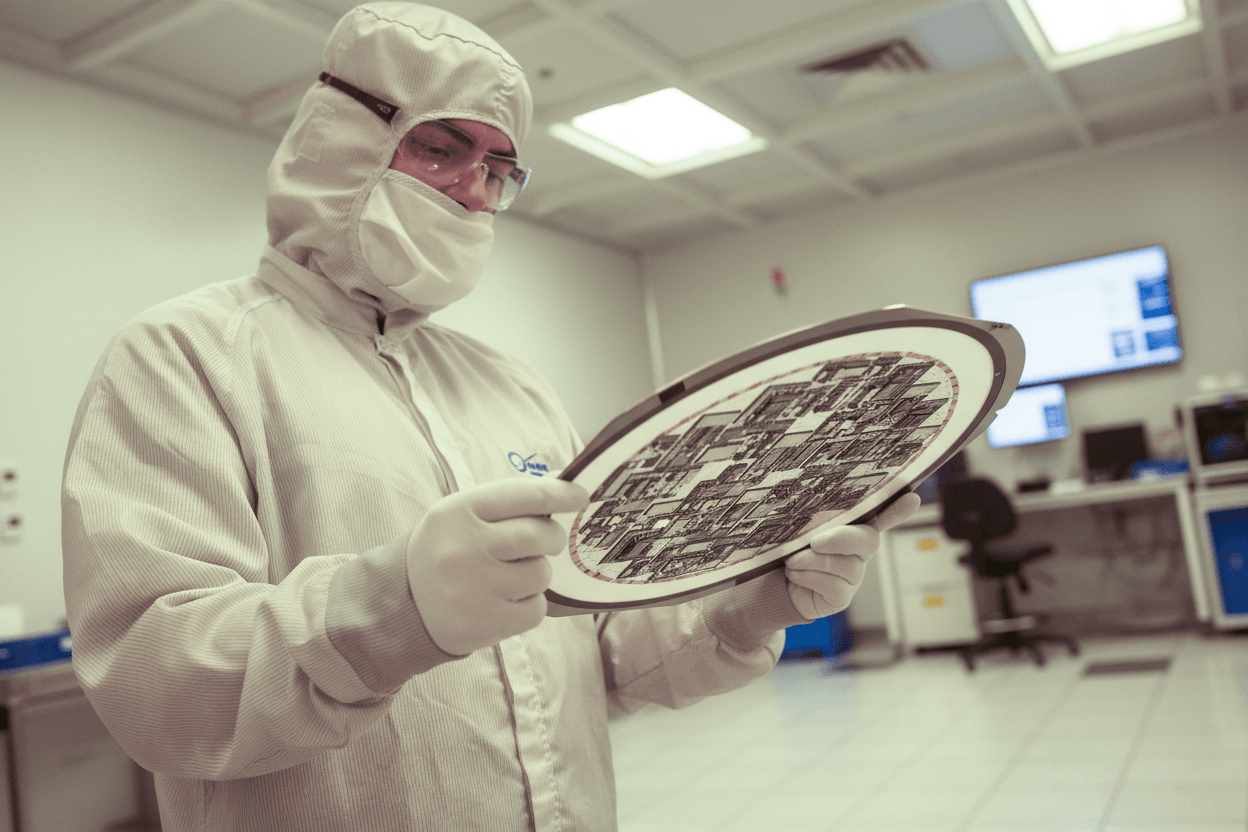
    Advanced chip packaging has unexpectedly become a focal point in the rapidly expanding artificial intelligence sector, and Intel is strategically investing in this area.

    The company is dedicating considerable resources to developing cutting-edge packaging technologies, aiming to secure a prominent role in the future of AI hardware.

    This ambitious move reflects Intel’s confidence that advancements in chip packaging will be crucial for meeting the increasing demands of AI applications.

    By focusing on this intricate aspect of chip manufacturing, Intel anticipates generating substantial revenue and solidifying its position in the competitive AI landscape.

  • Meta Pauses Mercor Work After AI Data Breach

    Meta Pauses Mercor Work After AI Data Breach

    Major AI labs are currently investigating a security incident that has impacted Mercor, a leading data vendor in the artificial intelligence sector. The incident raises concerns about the potential exposure of critical data related to how these labs train their AI models.

    As a result of this breach, Meta has decided to pause its ongoing work with Mercor. The investigation aims to determine the full extent of the compromised data and the potential impact on the competitive landscape of AI development.

    The exposed data could potentially reveal proprietary techniques and strategies employed by leading AI labs, giving competitors an unfair advantage. The incident underscores the growing importance of data security in the AI industry and the potential risks associated with entrusting sensitive information to third-party vendors.

  • OpenAI Executive Shake-Up: Lightcap to Special Projects

    OpenAI Executive Shake-Up: Lightcap to Special Projects

    OpenAI has announced an executive shuffle, with COO Brad Lightcap taking on a new role to lead ‘special projects’ within the company. This move signifies a strategic shift as OpenAI continues to develop its artificial intelligence technologies.

    In addition to Lightcap’s new responsibilities, Kate Rouch, the Chief Marketing Officer at OpenAI, will be stepping away from her position. Rouch is taking leave to focus on her recovery from cancer. The company has indicated that she plans to return to her role when her health permits.

    The changes in leadership roles come as OpenAI navigates a rapidly evolving landscape in the AI sector. The company continues to be a prominent figure in the development and deployment of advanced AI systems.

  • AI Data Centers Fuel Natural Gas Plant Boom

    AI Data Centers Fuel Natural Gas Plant Boom

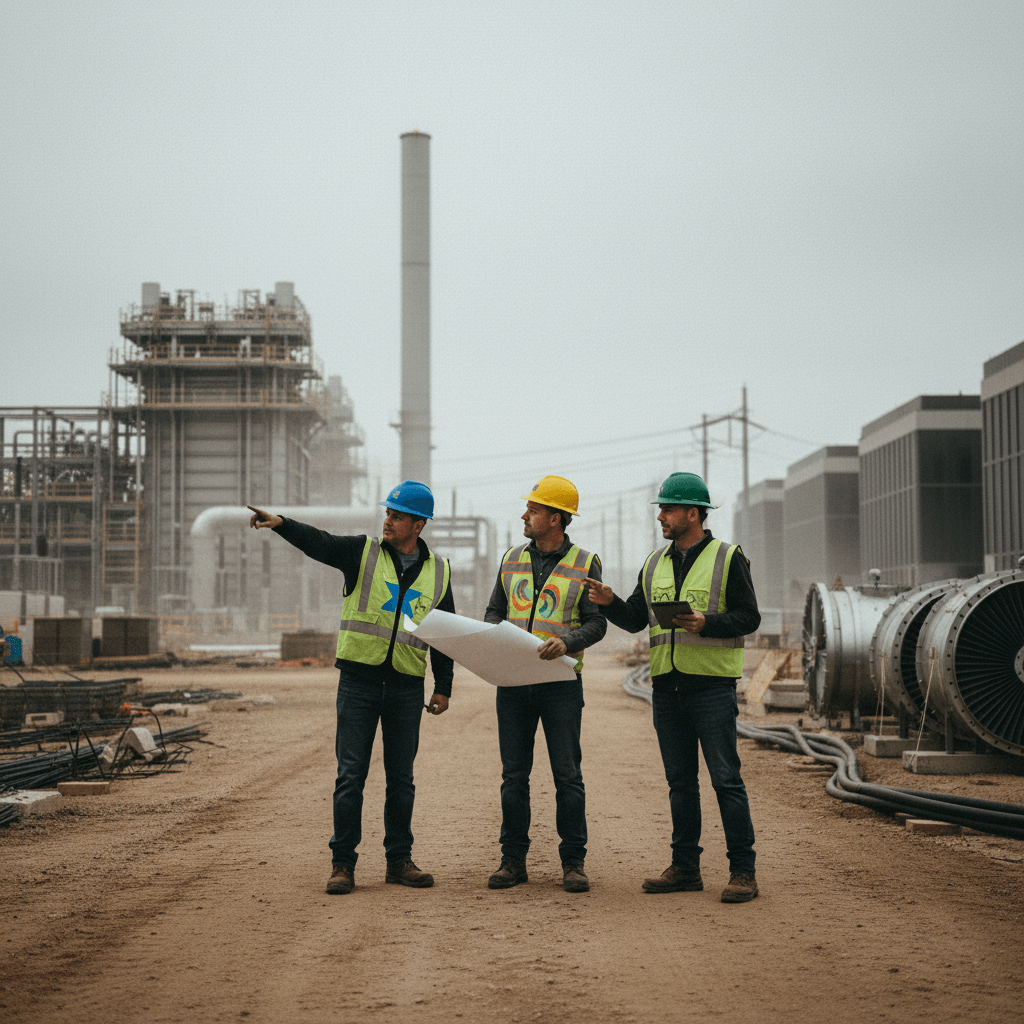
    As artificial intelligence development accelerates, major technology companies are making significant investments in natural gas power plants to meet the energy demands of their AI data centers. Meta, Microsoft, and Google are among the firms betting big on this energy infrastructure, raising questions about the environmental implications of powering AI with fossil fuels.

    These companies are building new natural gas plants to ensure a reliable energy supply for their data centers, which are critical for AI operations. The decision to rely on natural gas reflects concerns about the stability and capacity of existing power grids to handle the intensive energy needs of AI technologies.

    However, this strategy carries potential risks. Environmental advocates are raising concerns about the long-term sustainability of relying on natural gas, a fossil fuel that contributes to greenhouse gas emissions. The construction of these plants represents a substantial investment in fossil fuel infrastructure at a time when many are pushing for renewable energy solutions.

    While natural gas may offer a readily available energy source, the tech industry’s reliance on it to power AI could face increasing scrutiny as environmental concerns intensify. The decisions made now regarding energy infrastructure will have long-lasting effects on the environmental footprint of AI and the companies driving its development.

  • OpenAI’s Fidji Simo on Medical Leave: Leadership Shift

    OpenAI’s Fidji Simo on Medical Leave: Leadership Shift

    OpenAI is navigating a period of leadership transition as Fidji Simo, the company’s CEO of applications, commences a medical leave. The leave is expected to last for “several weeks,” according to sources familiar with the matter.

    The departure of Simo, even temporarily, signals a significant shift within the executive ranks of the prominent artificial intelligence organization. The company is undergoing what has been described as a major leadership restructuring.

    Specific details regarding the restructuring and Simo’s medical leave have not been publicly disclosed, but the changes are anticipated to have implications for OpenAI’s strategic direction and ongoing projects.

  • Amazon Warehouse vs. Data Center: Public Preference

    Amazon Warehouse vs. Data Center: Public Preference

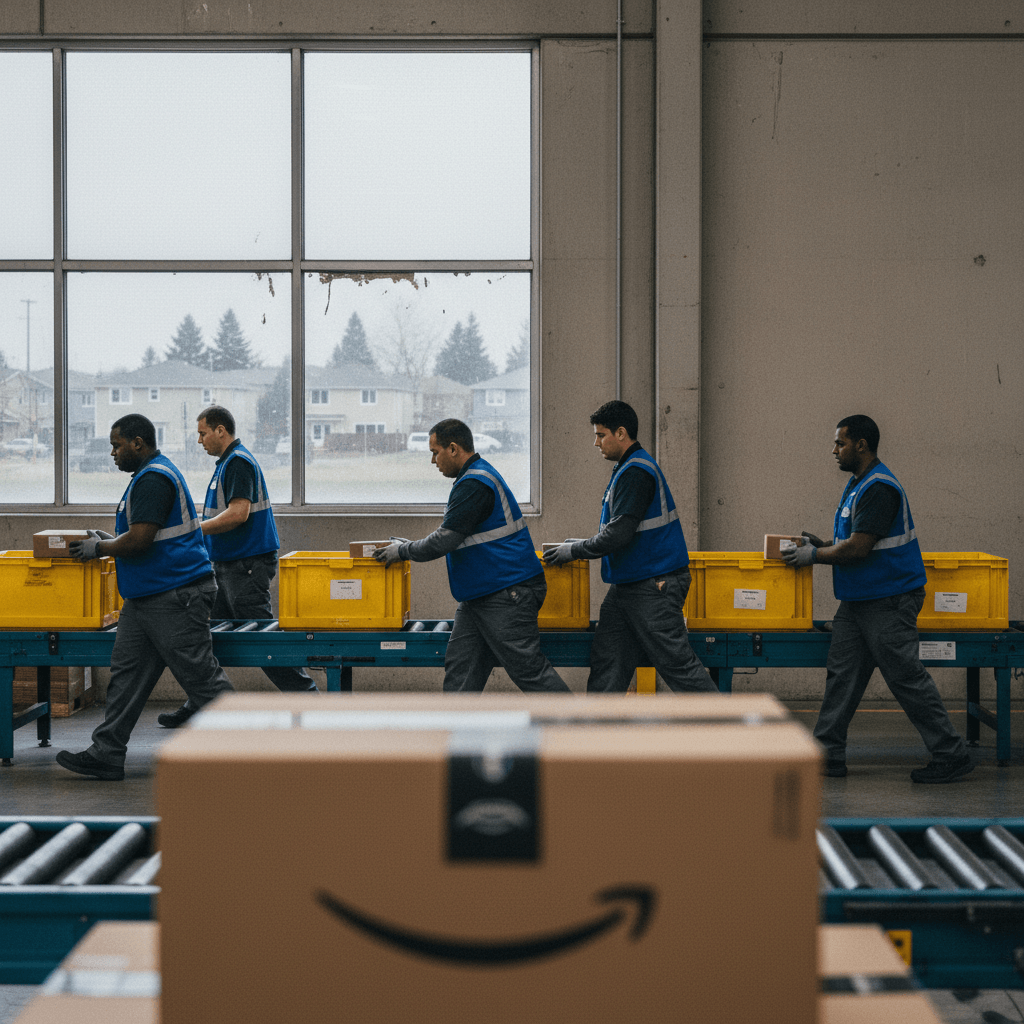
    A new poll reveals that the debate surrounding data centers is ongoing, with public opinion still far from settled. The survey highlights a preference among many individuals for having an Amazon warehouse located near their homes rather than a data center.

    The findings, released on April 3, 2026, by techcrunch.com, suggest that concerns and misconceptions about data centers may be influencing public perception. While data centers are crucial for supporting the digital economy, they often face opposition from local communities due to perceived noise, environmental impact, and aesthetic concerns.

    The poll underscores the challenges faced by companies seeking to build and operate data centers, as they must navigate public sentiment and address community concerns to gain approval for their projects. The preference for an Amazon warehouse, which typically brings jobs and economic activity to an area, indicates that economic benefits may outweigh concerns in the eyes of many residents.

    The results of this poll suggest that further education and community engagement efforts are needed to help the public better understand the role and impact of data centers in today’s world.

  • Top 3 Portable Jump Starters for 2026 – Reviews & Guide

    Top 3 Portable Jump Starters for 2026 – Reviews & Guide

    Never find yourself stranded waiting for roadside assistance again. The latest portable jump starters offer a reliable solution for reviving dead car batteries, providing peace of mind and independence on the road. Here are three of the top devices to consider for 2026.

    These portable jump starters represent a significant advancement in automotive technology, offering a compact and powerful alternative to traditional jumper cables and the need for a second vehicle. With one of these devices, drivers can quickly and safely jump-start their own cars, avoiding inconvenient delays and potential hazards.

    Choosing the right portable jump starter involves considering factors such as peak amperage, battery capacity, safety features, and overall durability. The models highlighted here have been selected based on rigorous testing and performance evaluations, ensuring they meet the demands of modern vehicles and provide reliable service in emergency situations.

    Investing in a high-quality portable jump starter is a proactive step towards ensuring vehicle reliability and personal safety. As technology continues to evolve, these devices are becoming increasingly essential for drivers who value preparedness and self-sufficiency.