CloudTalk

Category: Business

  • Google Cloud’s Startup Strategy: Early Trouble Spotting

    Google Cloud’s Startup Strategy: Early Trouble Spotting

    It’s about reading the check engine light, Google Cloud’s VP for Startups suggested, before it’s too late. The implication hung in the air, a feeling of tightening belts and a scramble to make every dollar count. The subject? How early infrastructure choices can make or break a startup, especially now.

    Funding is tighter, that’s clear. Infrastructure costs are climbing, another obvious point. And the pressure to show traction, real results, is relentless. The whole ecosystem feels… different, somehow. The air in the room, or maybe it was just the muted chatter of the conference call, held a certain tension.

    For startups, it’s a high-stakes game. Cloud credits, access to GPUs, the allure of foundation models — they’ve made it easier to get started. But those early choices, as Google Cloud’s team points out, can have unforeseen consequences.

    One key point: optimizing infrastructure costs from the beginning. It’s not just about getting the best deal. It’s about building a system that can scale, adapt, and weather the inevitable storms. This according to an analyst from a market research firm, who emphasized the need for agile solutions, especially in the current climate.

    The shift is noticeable. It’s no longer just about raising capital; it’s about proving sustainability. This requires not just innovative ideas, but also a sharp focus on operational efficiency. The market, as one economist from the Brookings Institution put it, is rewarding those who can demonstrate both vision and fiscal responsibility.

    The rise of AI has added another layer of complexity. With AI models and machine learning, infrastructure needs can change rapidly. Startups must be ready to adapt, or risk being left behind. Or maybe I’m misreading it.

    The focus has turned to the long game. It’s about building something that lasts. Not just surviving the next round of funding, but thriving. It’s a different world, a tougher world, and a world where reading the check engine light is now more crucial than ever.


  • Google Cloud: Startup Strategy for Navigating Challenges

    Google Cloud: Startup Strategy for Navigating Challenges

    The pressure is on, no doubt about it. Startup founders are sprinting, using AI to get ahead, all while the money situation keeps shifting. It’s a tricky dance, this whole building-a-company thing, and the stakes feel higher than ever.

    Google Cloud’s VP for startups, spoke recently, and the conversation landed squarely on the early choices that can define a company’s future. Things like cloud credits, access to GPUs, and the foundation models that promise so much, but also come with costs.

    As per reports, early infrastructure decisions can have unforeseen consequences, especially once startups move beyond the initial burst of enthusiasm. It’s about reading your “check engine light,” as the VP put it, before it’s too late.

    The air in the room, or maybe it was just the general market mood, felt tense. Funding is tighter. Infrastructure costs are climbing. The need to show real traction early is paramount. It’s a lot to juggle, and the details matter.

    And that’s where the VP’s perspective comes in. The focus, as I understood it, is on helping startups see around corners.

    One key point that emerged was the importance of understanding spending patterns. It’s not just about getting access to cloud credits or GPUs; it’s about how those resources are used. Are startups making smart choices early on, or are they racking up bills that will come back to bite them later? It’s a question of resource allocation, of course, but it’s also a question of survival.

    The current climate, according to the Tax Policy Center, underscores this. Changing tax laws are impacting investment decisions, and the ripple effects are being felt across the board. Startups, with their limited resources, are particularly vulnerable.

    There’s also the AI factor. Access to foundation models is easier than ever, but the cost of training and running those models is substantial. The VP seemed to suggest there’s a need to be strategic, to avoid overspending on AI before it’s proven its worth. Or maybe I’m misreading it.

    The market seems to agree. The sound of analysts tapping away at their spreadsheets, the muted chatter on the conference calls, it all points to a certain level of caution. The mood is definitely subdued.

    Looking ahead, the message is clear. Startups need to be proactive. They need to understand their infrastructure costs, manage their spending, and, above all, be prepared to adapt. The landscape is shifting, and those who can navigate the changes will be the ones who survive.

  • Emergent’s $100M ARR: Is India’s Vibe-Coding Startup Legit?

    Emergent’s $100M ARR: Is India’s Vibe-Coding Startup Legit?

    The numbers, they say, don’t lie. Or maybe they tell a story that’s still unfolding, a story of rapid growth and, perhaps, a touch of uncertainty. Emergent, the Indian vibe-coding startup, has reportedly hit the $100 million ARR mark, a feat achieved in a mere eight months since its launch back in February of 2026. The news, coming from sources like TechCrunch, has sent ripples through the tech and investment communities.

    The speed is what grabs you. Eight months. That’s barely enough time to get through the initial funding rounds, let alone build a product, find users, and generate that kind of revenue. It’s a testament, perhaps, to the surging demand by small businesses and non-technical users, as the company claims. Demand that Emergent, with its mobile app, seems well-positioned to meet.

    But the market is a fickle beast. Economic analysts, like those at the Brookings Institution, often remind that initial success doesn’t guarantee long-term stability. The Indian market, in particular, is a complex tapestry of regulations, consumer behavior, and, of course, global economic pressures. A sudden shift in tax incentives, for instance, could easily impact the spending patterns of the very businesses Emergent is targeting.

    What’s driving this growth? Is it a genuine shift in how small businesses approach software development? Or is it a temporary phenomenon, a bubble that might burst as quickly as it inflated? These are the questions being whispered in the corridors of financial institutions and venture capital firms.

    And, of course, the competition. The tech landscape is littered with startups promising the moon, only to fade away. Emergent faces the constant pressure of innovation, the need to adapt, to stay ahead of the curve. The company’s ability to maintain its momentum, to scale its operations while keeping its core values intact, will be critical. It’s a tightrope walk.

    A spokesperson for the company, when reached for comment, emphasized their commitment to providing accessible, user-friendly tools. “Our focus has always been on empowering individuals, regardless of their technical background,” the spokesperson stated. “We believe the future of software development is in the hands of everyone.”

    The claim of $100 million ARR is significant, no doubt. But the real story here is the journey, the unfolding narrative of a startup navigating the choppy waters of the tech industry. It’s a reminder that in business, as in life, the only constant is change.

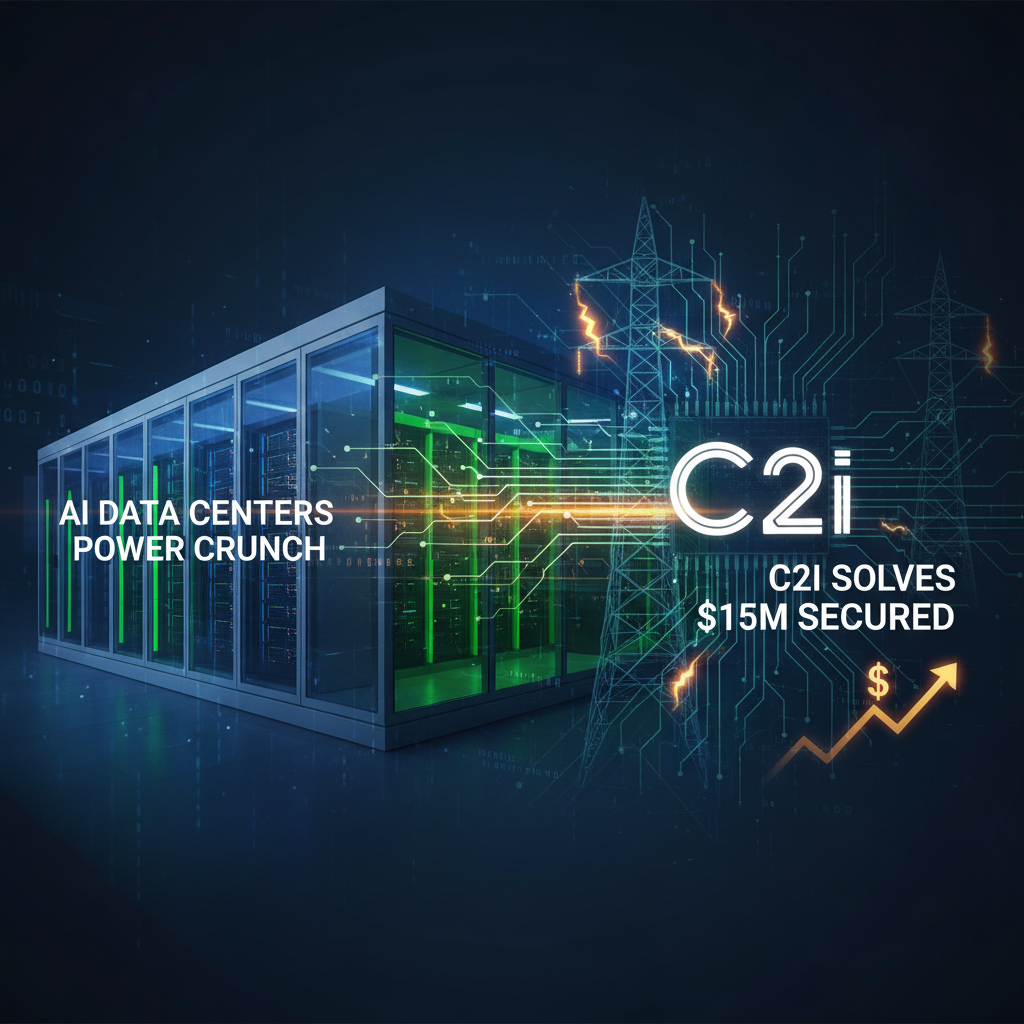
  • AI Data Centers Power Crunch: C2i Secures $15M Funding

    AI Data Centers Power Crunch: C2i Secures $15M Funding

    The murmur in the trading room, it’s always a tell. Today, it’s a low, almost anxious hum, like a server room on the verge of overload — which, in a way, it is. The focus, or at least the worry, seems to be on power, specifically the relentless energy demands of AI data centers. C2i, an Indian startup, is stepping into the breach, and, as of February 15, 2026, they’ve secured a $15 million funding round, led by Peak XV.

    The core problem? Data centers are power-hungry beasts. As AI models grow more complex, the energy consumption skyrockets. This puts a huge strain on existing infrastructure. C2i’s pitch, as I understand it, is a grid-to-GPU approach, aimed at reducing power losses. Or that’s the hope, anyway.

    This isn’t just a tech story; it’s a market one. The energy sector is watching closely, because it’s kind of a big deal. According to a recent report from the Brookings Institution, the surge in AI computing could increase global electricity demand by 20% by the end of the decade, if left unchecked.

    One analyst at a major firm, speaking on condition of anonymity, noted that the current infrastructure is not designed to handle the anticipated load. “We’re talking about a fundamental bottleneck,” they said, “the grid wasn’t built for this, and the costs are going to be astronomical if we don’t fix it.”

    C2i’s funding is a bet on a solution. It’s a bet that they can improve efficiency, reduce waste, and build a more sustainable future for AI. Peak XV, by backing the startup, is signaling a belief in that vision.

    The details are still emerging, of course. How exactly C2i plans to achieve these gains remains to be seen. But the core problem is clear, the stakes are high, and the market is hungry for solutions.

    The room feels tense — still does, in a way. The numbers, the projections, the whispers about grid failures, they’re all part of the equation. And the clock is ticking.

  • AI Data Centers Power Crunch: C2i Secures $15M for Efficiency

    AI Data Centers Power Crunch: C2i Secures $15M for Efficiency

    It’s a familiar story, but the details are shifting. AI data centers, hungry for power, are bumping up against real-world limits. That’s the backdrop for C2i, an Indian startup, which just secured $15 million in funding, backed by Peak XV, as reported on February 15, 2026. The goal? To fix a growing bottleneck: power consumption.

    The core problem is simple: AI needs massive computing power, and that power demands… well, power. Data centers, already straining grids, are finding it harder to scale. The solution C2i proposes is a grid-to-GPU approach. It’s a way to reduce power losses, but the specifics are still emerging.

    The market context is crucial. According to a recent report from the Center for Energy Policy, “the surge in AI-related power demand could outstrip current infrastructure capabilities within three years.” That’s a stark warning, and the clock is ticking. C2i’s funding suggests that investors see this, too.

    Peak XV’s backing is significant. They’re known for spotting trends early. This investment is an indicator of where the smart money sees opportunity. The pressure is on, though. The energy-efficiency landscape is crowded, and any solution has to deliver significant improvements, fast. Or maybe I’m misreading it, but that’s the way it looks.

    The details of C2i’s grid-to-GPU approach haven’t been fully disclosed, which adds a layer of uncertainty. But the core concept is clear: optimizing power delivery to the GPUs, minimizing losses in the process. Reducing the energy footprint of AI operations is increasingly critical. It helps the bottom line.

    And it’s more than just about costs. As regulations tighten and environmental concerns grow, the most efficient data centers will have a competitive edge. This is what the analysts are saying, this is what everyone is talking about.

    The broader implications are worth noting. This is happening in India, a market with its own unique set of challenges and opportunities. The success of C2i, and others like them, could reshape the global AI landscape, or at least how it’s powered.

    The $15 million funding round is a start, but the real test is whether C2i can deliver on its promise. The whole industry is watching.

  • OpenAI & xAI: Talent Exodus & the Future of AI

    OpenAI & xAI: Talent Exodus & the Future of AI

    The news has been trickling out, a slow drip at first, then a steady stream: key departures at OpenAI and xAI. It feels like a pivotal moment, watching the pieces shift in the high-stakes game of AI dominance. The past few weeks have seen a noticeable exodus of talent, a fact that’s got analysts and investors alike taking a closer look.

    Reports indicate that about half of xAI’s founding team has left, some voluntarily, others through what’s been delicately termed “restructuring.” OpenAI hasn’t been immune either, with the disbanding of its mission alignment team, and the firing of a policy exec adding to the unease. The situation is complex, but the implications are clear: the AI landscape is in flux.

    One of the core issues, as pointed out by sources close to the matter, is the changing landscape of incentives. The initial allure of these companies, the promise of groundbreaking innovation, is now competing with concerns about the long-term impact of AI, and of course, the ever-present question of financial stability. As per reports, the internal pressures are mounting. The market is watching, and it’s a nervous audience.

    And it’s not just about the big names. The ripple effect is already being felt. As talent departs, projects stall, and the race to stay ahead intensifies. The air feels thick with uncertainty, the kind of tension you can almost taste. Watching it unfold feels like observing the cooling down of a trading floor after a major sell-off, analysts tapping through spreadsheets, the muted chatter on a conference call.

    As of this week, several sources suggest that the departures are tied to a combination of factors. Some are seeking new opportunities, while others are reportedly dissatisfied with the strategic direction of the companies. The “adult mode” feature, for instance, has sparked controversy, raising ethical questions and potentially alienating key employees. The details are still emerging, but the picture is becoming clearer: the culture is shifting, and some aren’t happy.

    As one expert from the Brookings Institution recently stated, the current situation underscores the importance of ethical considerations in AI development. “The talent drain is a symptom, not the disease,” as they put it, implying the core issues run deeper than just individual departures. Or maybe I’m misreading it.

    The departures also raise questions about the long-term viability of the companies. Can OpenAI and xAI maintain their competitive edge without the key individuals who helped build their foundations? The answer, as always, is far from simple. It’s a question that’s keeping a lot of people awake at night, because the implications are huge.

    The market’s reaction has been cautious, with investors hesitant to commit further funds until a clearer picture emerges. The numbers, as of last week, reflect this uncertainty. The situation is fluid, and the future of AI hangs in the balance.

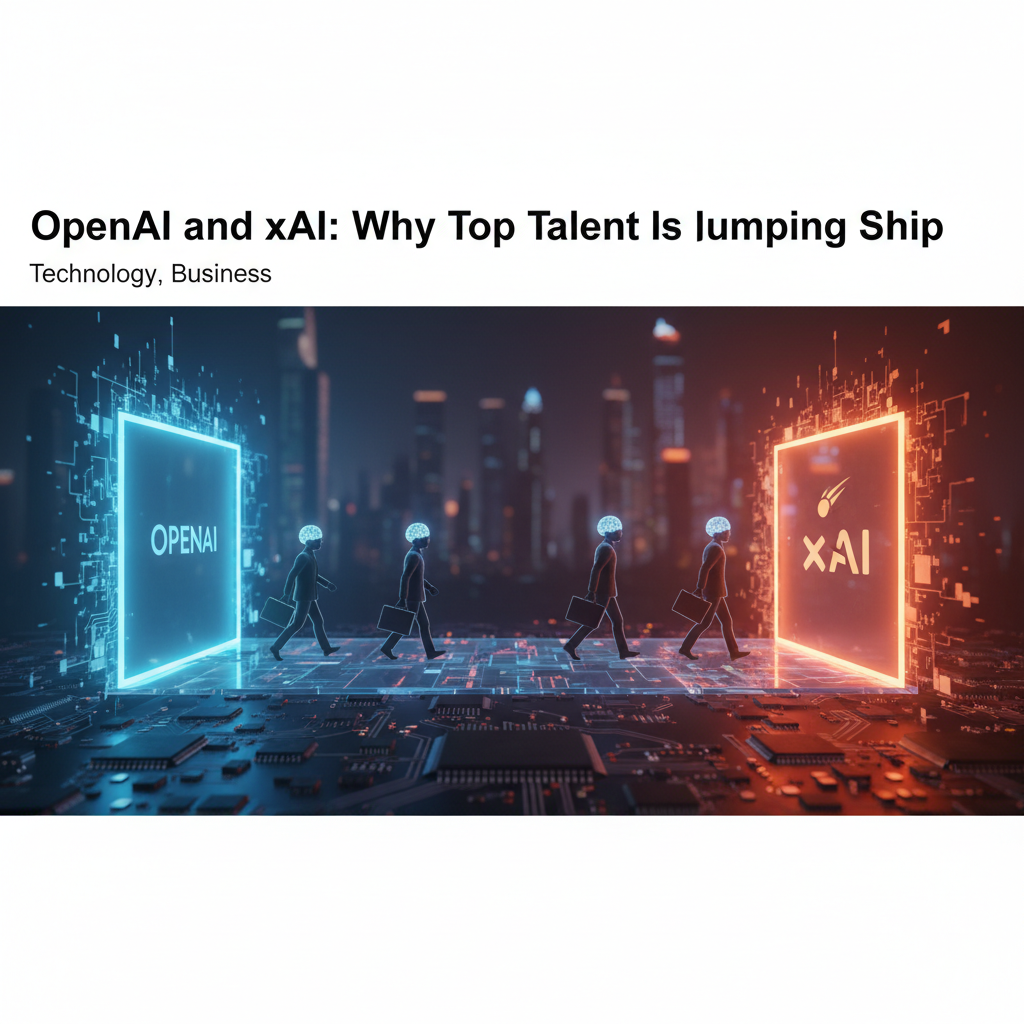
  • OpenAI & xAI: Talent Exodus & AI’s Future

    OpenAI & xAI: Talent Exodus & AI’s Future

    The news has been trickling in, a steady drip at first, then a cascade. Over the past few weeks, a significant number of people have walked away from both OpenAI and Elon Musk’s xAI. Half of xAI’s founding team has departed, some by choice, others through “restructuring” — a word that, in this context, feels like a euphemism.

    At OpenAI, it’s a similar story. The mission alignment team, once seen as core to the company’s values, has been disbanded. Adding to the unease is the firing of a policy executive who reportedly voiced opposition to the company’s “adult mode” feature. It all adds up to a picture of instability, a talent exodus that’s causing ripples throughout the tech world.

    What’s driving this sudden shift? It’s complicated, of course. But the common thread seems to be a mismatch between the promises of AI and the realities of its development. The pressure to generate returns, to push the boundaries of what’s possible, is clashing with the ethical considerations and the long-term vision. Or maybe, the vision isn’t as clear as it once seemed.

    As per reports, the situation at xAI is particularly striking because the company is relatively young, and the founding team is usually the bedrock. That’s why, when half of those key people leave, it sends a clear signal. It speaks volumes about the internal dynamics, the direction of the company, and the weight of the expectations.

    One might wonder what the next steps are, where the talent is going, and what the financial implications are. The tech industry, it seems, is always in flux.

    The departures are happening against a backdrop of increasing scrutiny of AI companies. Regulatory bodies are starting to take a closer look, and investors are demanding more transparency. According to a recent report from the Brookings Institution, the lack of clear ethical guidelines is a major concern. The report also highlights a growing divide between those who are building AI and those who are setting the rules.

    And it’s not just about the internal dynamics. The broader economic climate plays a role, too. The market is cooling down, and funding is becoming harder to secure. That puts pressure on companies to deliver results, which can lead to difficult decisions.

    The impact is being felt. In March, for instance, OpenAI was valued at over $80 billion, but the recent departures and the changing market conditions are clouding the picture. One analyst, speaking on the condition of anonymity, said that the company’s valuation is now being reevaluated, with some expecting a potential drop of as much as 15%.

    The challenge, as many in the industry see it, is how to balance innovation with responsibility. It’s a question that’s now being asked, with increasing urgency.

    It’s a tough environment, a lot of uncertainty. The room felt tense — still does, in a way.

  • AI Burnout & Billion-Dollar Bets: Silicon Valley’s Shifting Sands

    AI Burnout & Billion-Dollar Bets: Silicon Valley’s Shifting Sands

    The air in Silicon Valley feels… tense. Or maybe it’s just the pressure of the numbers. Either way, the past few weeks have been brutal for AI companies. Reports of talent hemorrhaging have become almost commonplace, with xAI, Elon Musk’s AI venture, seeing a significant portion of its founding team depart. Restructuring, they call it. Others simply left.

    OpenAI hasn’t escaped the turmoil either. From what’s being reported, the mission alignment team has been disbanded, and a policy executive, reportedly opposed to the company’s new “adult mode” feature, was let go. The atmosphere, a source told reporters, is one of rapid change, and high stakes. It’s a landscape where billion-dollar bets are made, and where the human cost of progress feels, at times, very real.

    It’s not just the departures. The underlying question is this: can the AI industry sustain its breakneck pace? According to a recent analysis from the Brookings Institution, the sector is currently experiencing a talent shortage. This, they say, is partly due to the intense pressure, long hours, and the ever-present fear of being left behind. Add to that the ethical concerns now swirling around AI’s potential, and you have a recipe for… well, for what we’re seeing now.

    The financial implications are also significant. Investment in AI remains high, but the exodus of key personnel could impact timelines and, crucially, returns. One analyst, speaking on condition of anonymity, suggested the industry is now in a “wait and see” period. The money is there, but the talent, the ability to execute, is becoming increasingly scarce.

    The situation isn’t helped by the broader economic climate. While the stock market has been relatively stable, there are underlying anxieties about inflation and the potential for a recession. These concerns add another layer of uncertainty, making investors more cautious and demanding more immediate results. The pressure is on, and it’s being felt across the board.

    Consider the recent news from OpenAI. The firing of the policy executive, for instance. It sends a message, intentionally or not. That message, some say, is that the company is prioritizing speed and innovation over some other considerations. Or maybe I’m misreading it.

    The details are still emerging, but the core narrative is consistent: a sector in flux, facing challenges from within and without. The future of AI, it seems, is being written in real time, with each departure, each policy shift, each billion-dollar investment, a new line in a story still unfolding. It’s a story with no clear ending.

  • Ex-Tesla Manager Battles Luxury Fakes With High-Tech Chip

    Ex-Tesla Manager Battles Luxury Fakes With High-Tech Chip

    The numbers, they say a lot. Counterfeit luxury goods cost brands over $30 billion annually. Meanwhile, the secondary market — that booming space for pre-owned high-end items — is now worth $210 billion. And there’s a massive trust issue, right in the middle.

    Enter Veritas, a startup born from the mind of a former Tesla product manager. Their aim? To make it virtually impossible to fake luxury items. The core of their strategy involves a custom hardware and software solution, starting with a chip.

    It’s a bold move, and the market is certainly watching. Experts, like those at the Brookings Institution, have noted the increasing sophistication of counterfeiters, which is making it harder to distinguish between real and fake goods. The challenge isn’t just about protecting brand value, it’s about consumer trust and the integrity of the market. And, of course, the revenue streams.

    The concept is fairly straightforward, at least in theory. A unique chip embedded in the product, paired with software that authenticates the item. It’s not just about stopping fakes at the point of sale; it’s also about providing a verifiable history for items in the resale market. This is where the real potential lies.

    The second-hand market, after all, is a wild card. It’s growing rapidly, especially among younger consumers, and the demand for authenticated goods is soaring. Veritas is betting that providing a reliable verification system will unlock even more value.

    The technology, as described, is intriguing. Custom hardware, custom software, all working in tandem. Details are scarce, of course, because of the competitive landscape. But the promise is there: a secure, immutable record for each item. Think of it as a digital fingerprint, but for a handbag or a watch.

    It’s not a new problem. Counterfeiting has been around as long as luxury goods. But the scale and sophistication have increased dramatically, as has the global reach of counterfeiters. The digital age has made it easier than ever to copy and sell fake products, so the need for innovative solutions is clear.

    Veritas is entering a crowded space, and success is far from guaranteed. They face technical hurdles, manufacturing challenges, and the need to convince luxury brands and consumers to adopt their technology. But if they can pull it off, the rewards could be substantial. The potential to disrupt both the primary and secondary markets is undeniable.

    Or maybe I’m misreading it. The market is always shifting, and the economic winds can change fast. Still, the fundamental problem remains: consumers want assurance, brands need protection, and the secondary market needs a reliable way to verify authenticity. Veritas is offering a solution, and the world is watching.

  • Uber Eats Acquires Getir’s Delivery Arm in Turkey

    Uber Eats Acquires Getir’s Delivery Arm in Turkey

    The numbers were still coming in, but the newsroom chatter had already started. Uber, it seemed, was making a significant move. Word broke on February 9, 2026, that the ride-hailing giant was acquiring the food delivery arm of Turkish firm Getir.

    The initial price tag? $335 million. That’s just for the food delivery business. And then another $100 million for a 15% stake in Getir’s grocery, retail, and water delivery services. It’s a substantial commitment, a clear signal of Uber’s intent to deepen its presence in the Turkish market, and beyond.

    The deal, as per reports, is part of Uber’s strategy to expand its delivery services. The move comes at a time when the delivery market is fiercely competitive, with companies constantly vying for market share. The air in the room, filled with the low hum of analysts, felt charged — a mix of excitement and the quiet tension of watching capital flow.

    “It’s a play for scale,” explained Dr. Elif Yildirim, a market analyst at Istanbul’s Bilgi University, speaking during a hastily-arranged conference call. “Uber is betting on the long game, on the continued growth of online ordering. Or maybe it’s a gamble, even.”

    The deal’s implications are wide-ranging. For Uber, it means a larger footprint in a key market. For Getir, it allows them to refocus resources on their core business, or so it appears. But the real story, as always, lies in the details. The specifics of the deal, the integration process, how it will affect the existing delivery infrastructure. A lot of uncertainty, still.

    The market’s reaction? Mixed, understandably. Initial reports showed a slight dip in Getir’s stock, while Uber’s remained relatively stable. It would take a week or two to see the true impact, as the dust settles, and the analysts finish crunching the numbers. The deal will also need to clear regulatory hurdles, something that always adds a layer of complexity.

    This kind of acquisition speaks to a broader trend — the consolidation of the delivery market, the fight for dominance. It’s a reminder of how quickly these sectors can shift, how much depends on the day-to-day decisions of companies, investors, and consumers. The sound of keystrokes filled the room, the numbers changing with each passing minute.

    And then there’s the question of the Turkish economy itself, the currency fluctuations, the tax implications. All of it matters. It’s all connected, somehow.