Category: Healthcare

  • Biotics AI Ultrasound Software Approved by FDA

    Biotics AI Ultrasound Software Approved by FDA

    Biotics AI’s Fetal Ultrasound Software Receives FDA Approval

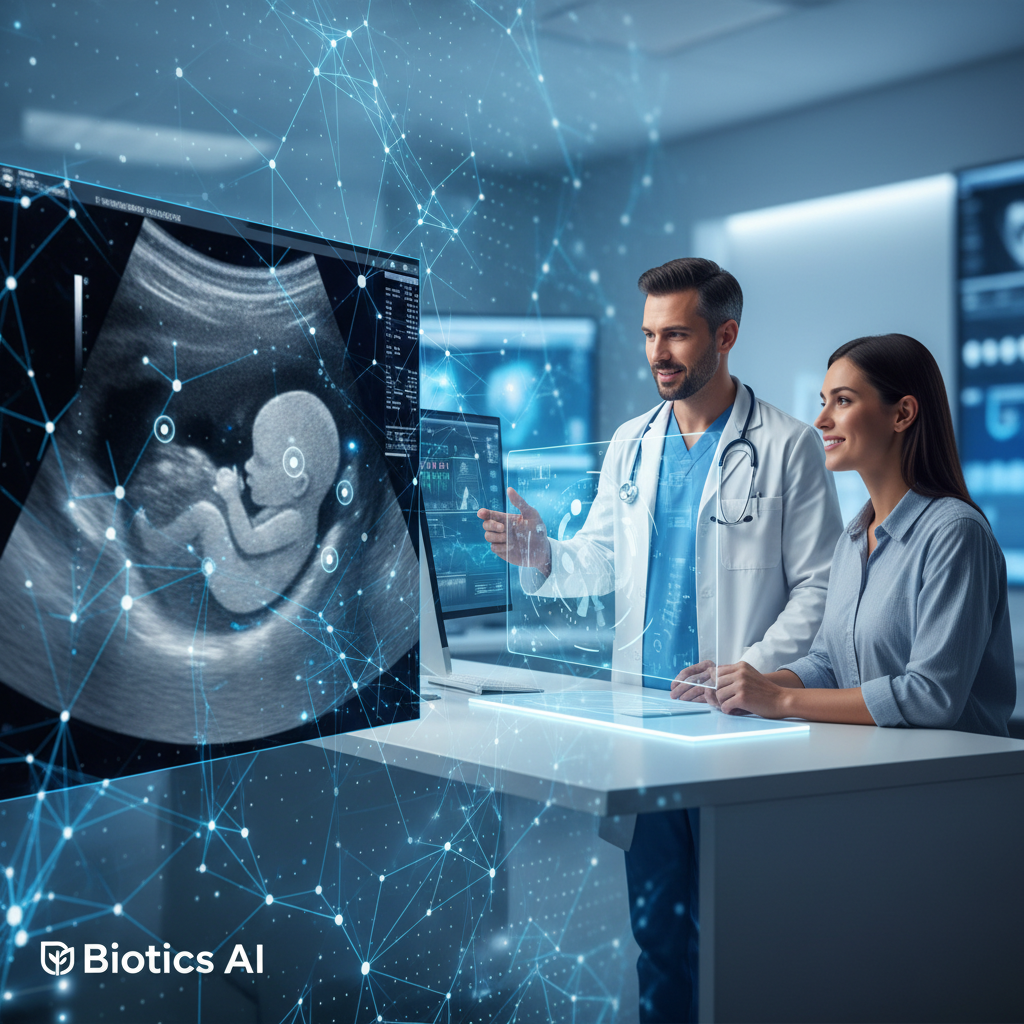
    In a significant stride for artificial intelligence in healthcare, Biotics AI, the champion of TechCrunch Disrupt Battlefield 2023, announced on Monday that it has obtained FDA clearance for its AI software. This innovative software is designed to assist in the detection of fetal abnormalities within ultrasound images. This milestone highlights the growing integration of AI in medical technology and its potential to revolutionize healthcare practices.

    A Breakthrough in AI-Powered Healthcare

    The FDA’s approval of Biotics AI’s software represents a pivotal moment in the application of AI within the healthcare sector. This AI-powered tool utilizes advanced algorithms to analyze ultrasound images, thereby aiding in the identification of potential fetal abnormalities. The software’s capabilities offer the promise of enhanced diagnostic accuracy and potentially earlier intervention in the care of expectant mothers.

    The core of this innovation lies in the use of AI to interpret complex medical imagery. The AI software is trained on extensive datasets of ultrasound images, allowing it to recognize patterns and anomalies that might be challenging for even experienced medical professionals to detect. This technology has the potential to improve the overall quality of care in prenatal diagnostics.

    The Journey from Battlefield to the FDA

    Biotics AI’s journey to FDA clearance began with their success at TechCrunch Disrupt Battlefield 2023. This victory provided a platform for the company to showcase its cutting-edge technology and its potential impact on healthcare. The FDA approval validates the software’s effectiveness and safety, which is a crucial step for any medical technology.

    The fact that Biotics AI secured FDA clearance demonstrates the company’s commitment to rigorous testing and adherence to regulatory standards. This achievement is a testament to the hard work and dedication of the team at Biotics AI and their vision for the future of healthcare.

    Implications for the Future of Ultrasound Imaging

    The FDA approval of Biotics AI’s software has wide-ranging implications for the future of ultrasound imaging and healthcare innovation. The use of AI in this field has the potential to improve diagnostic accuracy, reduce the risk of missed diagnoses, and ultimately improve patient outcomes.

    AI-driven tools can also help streamline the workflow for healthcare providers, allowing them to focus more on patient care. The integration of AI in ultrasound imaging could also lead to more accessible and affordable healthcare, particularly in underserved communities. This technology could also facilitate remote diagnostics and consultation, further expanding access to quality healthcare services.

    The approval of Biotics AI’s software is a clear indication of a growing trend in the healthcare industry towards AI-assisted diagnostics. As AI technology continues to advance, we can anticipate more innovative solutions that will enhance healthcare delivery and improve patient outcomes.

    Source: TechCrunch

  • OpenAI’s Healthcare Push: Acquisitions & AI Drug Discovery

    OpenAI’s Healthcare Push: Acquisitions & AI Drug Discovery

    OpenAI Expands Its Reach: Healthcare Acquisitions and AI Drug Discovery Support

    The tech world is abuzz with OpenAI’s latest strategic maneuvers, signaling a strong push into the healthcare sector. The company, known for its groundbreaking work in artificial intelligence, is making waves not only through internal developments but also through strategic acquisitions and investments. This article delves into the details of these recent activities, highlighting their potential impact on the future of AI in healthcare.

    OpenAI Acquires Torch: A Leap into Health Records

    In a move that underscores its commitment to healthcare innovation, OpenAI has acquired Torch, an AI health records startup. The acquisition, reportedly for $100 million, aims to integrate Torch’s technology into OpenAI’s new ChatGPT Health platform. According to co-founder Ilya Abyzov, this integration will bring sophisticated AI capabilities to health record management, potentially streamlining processes and improving patient care.

    This acquisition marks a significant step for OpenAI in expanding its footprint within the healthcare industry. By incorporating Torch’s expertise, OpenAI aims to leverage AI to unlock new efficiencies and insights within health records. This could lead to more personalized treatment plans and enhanced patient outcomes. The move also signals a broader trend of tech companies recognizing the massive potential of AI in transforming healthcare delivery.

    Converge Bio Secures Funding: Advancing AI in Drug Discovery

    In related news, the AI drug discovery startup, Converge Bio, has successfully raised $25 million in a Series A funding round. This round was led by Bessemer Venture Partners, with additional backing from key figures at Meta, OpenAI, and Wiz. This investment underscores the growing confidence in AI’s capacity to revolutionize the drug discovery process. Converge Bio is at the forefront of this revolution, using AI to accelerate the identification and development of new therapeutics.

    The funding will allow Converge Bio to further develop its AI-driven platform for drug discovery. This platform promises to reduce the time and cost associated with bringing new drugs to market. The involvement of prominent investors from the tech sector highlights the convergence of AI and biotechnology, creating a powerful synergy capable of addressing some of the most pressing healthcare challenges. The investment is a testament to the potential of AI to accelerate the development of life-saving medications.

    The Convergence of AI and Healthcare: A Promising Future

    The recent activities of OpenAI and Converge Bio reflect a broader trend: the increasing integration of artificial intelligence into the healthcare ecosystem. These developments are not isolated incidents but rather part of a larger movement that seeks to leverage AI to improve patient outcomes, streamline processes, and drive innovation within the industry. From health records management to drug discovery, AI is poised to transform healthcare in profound ways.

    As OpenAI and Converge Bio continue to advance their respective missions, it is clear that the future of healthcare will be significantly shaped by AI. The strategic acquisitions and investments discussed in this article represent just the beginning of what promises to be an exciting and transformative journey.

    Conclusion: A New Era for AI in Healthcare

    OpenAI’s acquisition of Torch and the funding round for Converge Bio mark pivotal moments in the evolution of AI in healthcare. These initiatives demonstrate a clear commitment to leveraging AI’s potential to improve patient care, accelerate drug discovery, and drive innovation across the healthcare landscape. As AI continues to evolve, its impact on healthcare will undoubtedly grow, ushering in a new era of possibilities and advancements.

    Source: TechCrunch article, “OpenAI Buys Tiny Health Records Startup Torch for Reportedly $100M,” published on January 12, 2026.

  • OpenAI’s Healthcare Leap: Acquisition & Startup Support

    OpenAI’s Healthcare Leap: Acquisition & Startup Support

    OpenAI Makes a Major Healthcare Push with Acquisition and Startup Support

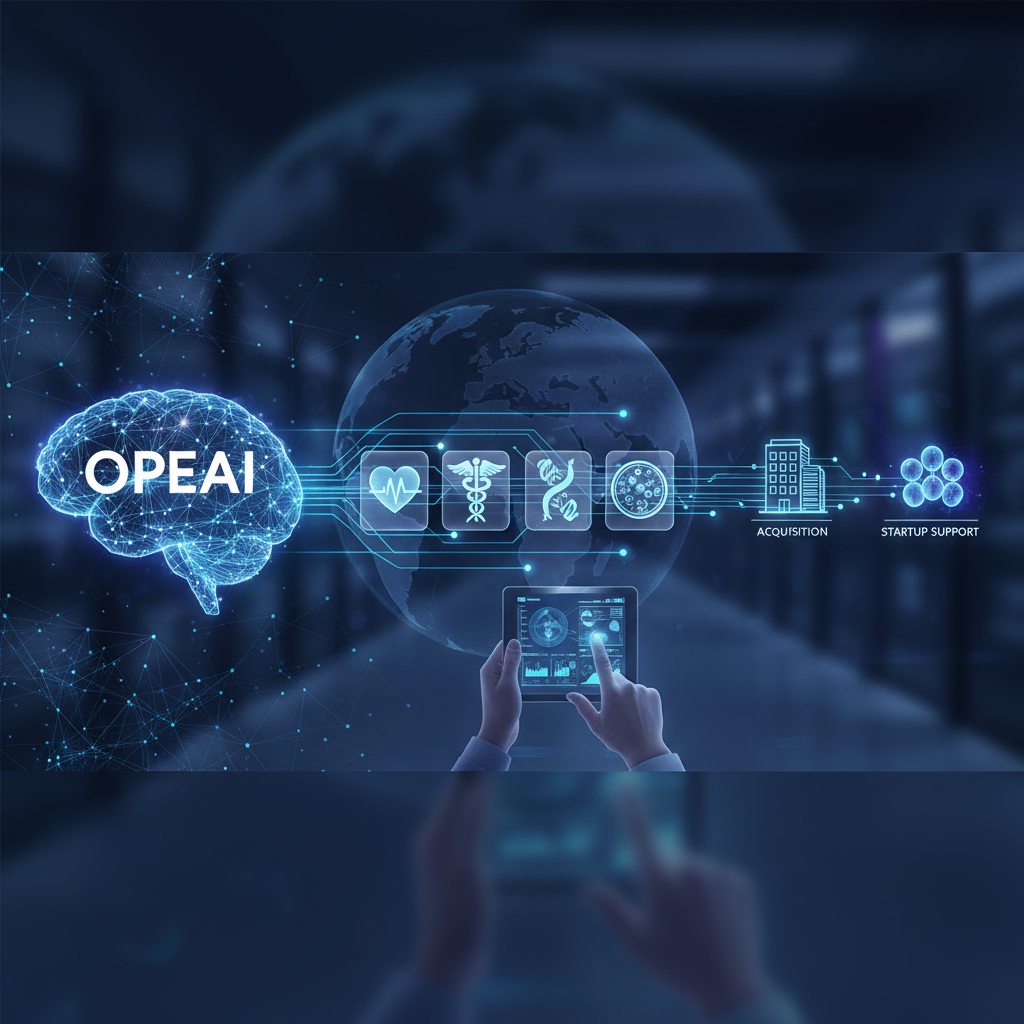
    The tech world is abuzz with OpenAI’s latest strategic moves, signaling a strong foray into the healthcare sector. On January 12, 2026, OpenAI, led by co-founder Ilya Abyzov, acquired the AI health records startup Torch for a reported $100 million. Simultaneously, OpenAI is backing AI drug discovery efforts through its support of Converge Bio, a startup that recently secured a $25 million Series A funding round.

    OpenAI’s Acquisition of Torch: A Strategic Move

    The acquisition of Torch, an AI health records startup, represents a significant step for OpenAI. According to Ilya Abyzov, the plan is to integrate Torch’s technology into OpenAI’s new ChatGPT Health. This integration suggests a focus on leveraging AI to improve healthcare data management and potentially enhance patient care. This acquisition is part of OpenAI’s broader strategy to expand its influence and capabilities within the healthcare industry. The financial investment and technological integration point towards a long-term commitment to this sector.

    Converge Bio Secures Funding: Advancing AI in Drug Discovery

    In a related development, the AI drug discovery startup Converge Bio has raised $25 million in a Series A funding round. This round was led by Bessemer Venture Partners and included backing from executives at Meta, OpenAI, and Wiz. This infusion of capital will likely accelerate Converge Bio’s research and development efforts, potentially leading to breakthroughs in the pharmaceutical industry. The support from prominent figures and organizations highlights the growing importance of AI in revolutionizing drug discovery processes.

    The involvement of OpenAI in Converge Bio’s funding is particularly noteworthy. It underscores OpenAI’s commitment not only to healthcare data but also to the broader application of AI in the medical field. By supporting drug discovery, OpenAI is positioning itself to contribute to advancements that could impact global health.

    The Broader Implications for Artificial Intelligence in Healthcare

    These developments highlight the increasing role of artificial intelligence in healthcare. OpenAI’s strategic moves suggest a future where AI plays a central role in both data management and drug discovery. The integration of AI in healthcare has the potential to improve efficiency, reduce costs, and ultimately, enhance patient outcomes. The investments in Torch and Converge Bio are indicative of a larger trend, with significant implications for the future of medicine.

    The acquisition and funding initiatives demonstrate OpenAI’s vision for the future of healthcare. By combining AI expertise with healthcare data and drug discovery, OpenAI is poised to make a substantial impact on the industry. The success of these ventures could set a precedent for other tech companies seeking to enter the healthcare market. The strategic decisions made by OpenAI are likely to influence the direction of AI’s role in healthcare for years to come.