CloudTalk

Category: Startups

  • Avoiding Bad Hires: A Startup Guide to Recruitment

    Avoiding Bad Hires: A Startup Guide to Recruitment

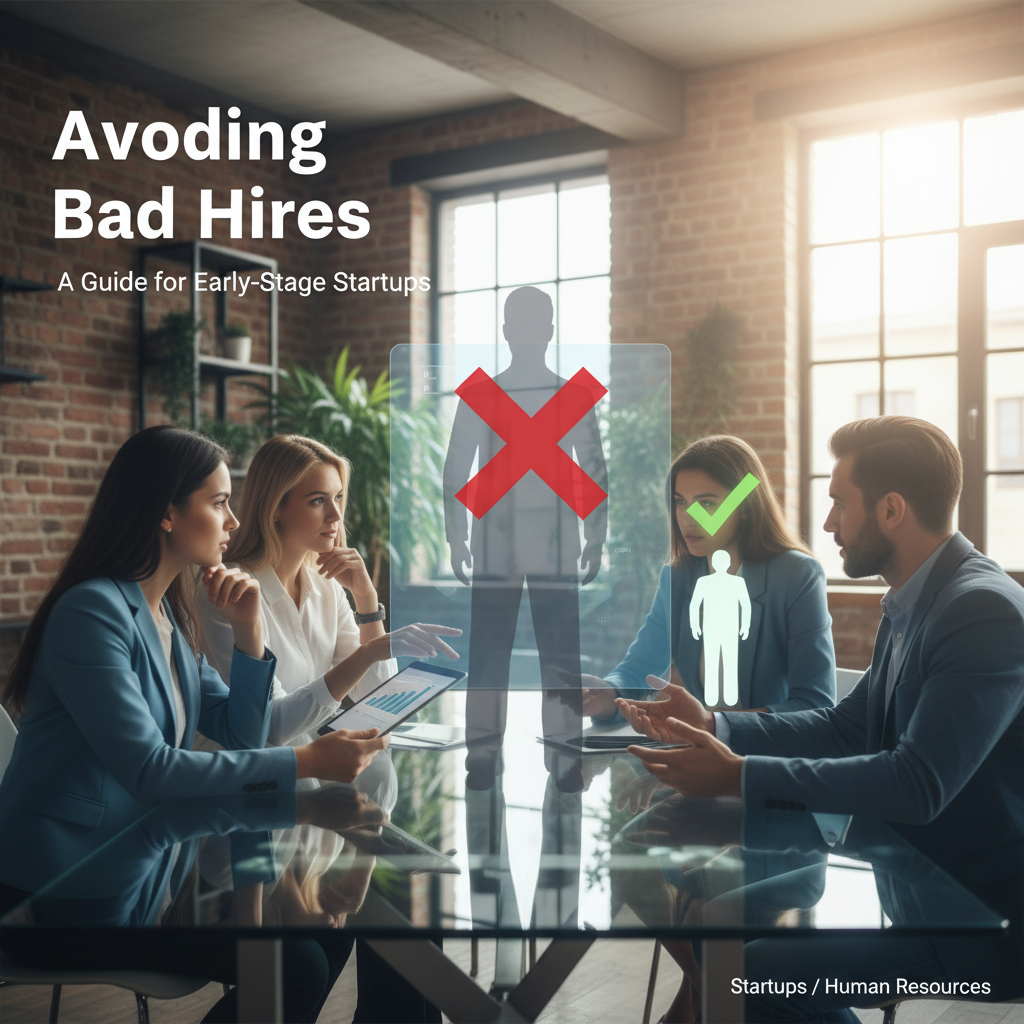
    Avoiding Bad Hires: A Guide for Early-Stage Startups

    The early days of a startup are a whirlwind of activity, and every decision carries significant weight. Among the most critical choices is building a team. A bad hire can be a major setback, draining resources and derailing progress. This is a lesson that Lucena learned firsthand, an experience that ultimately inspired her to create Mappa. This article provides a strategic guide to help early-stage startups navigate the often-treacherous waters of recruitment and avoid the pitfalls of bad hires.

    Understanding the Stakes

    In the high-stakes environment of a startup, the impact of a single employee can be amplified. Unlike established companies with robust HR departments and extensive training programs, early-stage startups often operate with limited resources and a small team. Every individual contributes significantly to the overall culture, productivity, and success of the venture. A bad hire in this context isn’t just a matter of wasted salary; it can lead to:

    • Decreased Productivity: A poorly performing employee can slow down projects, hinder innovation, and impact team morale.
    • Financial Strain: The costs of a bad hire extend beyond salary and benefits. Consider the expenses of recruitment, onboarding, and, ultimately, termination.
    • Damage to Culture: A toxic employee can undermine team cohesion, leading to higher turnover rates and a negative work environment.
    • Reputational Risk: Negative experiences can spread quickly, affecting the startup’s ability to attract top talent and potential investors.

    Given these risks, it’s clear why avoiding bad hires should be a top priority for any early-stage startup.

    Key Strategies for Effective Hiring

    1. Define Your Needs Clearly

    Before you even think about posting a job description, take the time to define exactly what you need. What are the specific skills and experience required? What are the key responsibilities? What are the cultural values that align with your company’s mission? A well-defined job description not only attracts the right candidates but also helps you assess them effectively.

    2. Streamline the Recruitment Process

    A structured and efficient recruitment process is crucial for making informed decisions. This includes:

    • Sourcing: Cast a wide net. Utilize job boards, social media, and your professional network to find potential candidates.
    • Screening: Review resumes and cover letters carefully. Look for relevant experience, skills, and a good fit with your company culture.
    • Interviews: Conduct multiple rounds of interviews. Include a mix of behavioral and technical questions to assess both skills and personality.
    • Assessments: Consider using skills-based assessments to gauge a candidate’s abilities.
    • Background Checks: Verify the information provided by the candidates.

    3. Focus on Cultural Fit

    Skills can be taught, but attitude and values are often ingrained. Assessing a candidate’s cultural fit is essential for building a cohesive and productive team. How does the candidate approach challenges? What motivates them? Do they align with your company’s mission and values? Asking questions that delve into these areas can provide valuable insights.

    4. Involve the Team

    When making hiring decisions, include other team members in the process. This not only allows you to gain diverse perspectives but also fosters a sense of ownership and collaboration. Team members can assess the candidate’s fit within the existing team dynamic and provide valuable feedback.

    5. Check References Thoroughly

    Don’t skip the reference checks. They can provide crucial insights into a candidate’s past performance and work style. Ask specific questions about the candidate’s strengths, weaknesses, and how they handled challenges.

    6. Make a Data-Driven Decision

    Rely on the information you’ve gathered throughout the hiring process. Avoid making decisions based on gut feelings or personal biases. Evaluate candidates objectively based on their skills, experience, cultural fit, and performance during interviews and assessments.

    Learning from Mistakes

    Lucena’s experience with building a marketing team highlights the importance of making the right hiring decisions. By learning from mistakes, startups can refine their hiring processes and increase their chances of success. The creation of Mappa is a testament to the fact that even challenges can lead to innovation and valuable solutions.

    Conclusion

    Avoiding bad hires is an ongoing process that requires careful planning, diligent execution, and a commitment to continuous improvement. By implementing the strategies outlined in this guide, early-stage startups can significantly increase their chances of building a strong, productive, and successful team. Remember, every hire is an investment in your company’s future.

  • VC’s Advice: Building a Strong Startup Founding Team

    VC’s Advice: Building a Strong Startup Founding Team

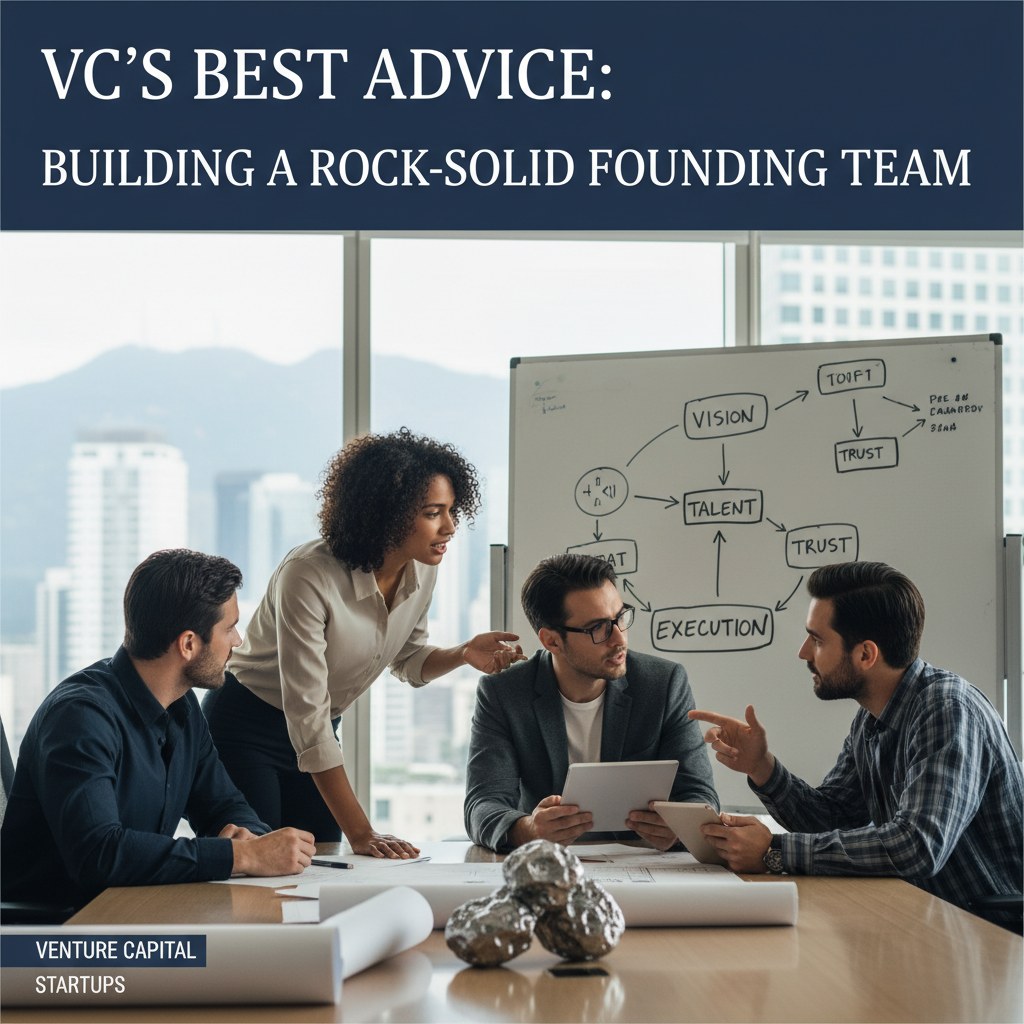
    VC’s Best Advice: Building a Rock-Solid Founding Team

    In the high-stakes world of startups, the initial team you assemble can be the difference between soaring success and a quick descent. A recent piece from TechCrunch highlights the crucial role of the founding team, drawing on insights from seasoned VCs. The core message? The first few hires set the tone for everything that follows.

    The Power of the First Few

    According to the advice, the first five to ten employees are not just early hires; they are culture architects. They lay the groundwork for company values, communication styles, and the overall work environment. These initial team members will have a massive impact on the company culture. It’s a bit like building a house – the foundation you lay in the beginning determines how strong the structure can become.

    The article suggests that the precedents set by this initial cohort are incredibly difficult to change down the road. This means every decision, every interaction, and every established process becomes part of the company’s DNA. Therefore, thoughtful selection and onboarding are paramount.

    Key Considerations for Founders

    While the specifics of the VC’s advice aren’t detailed in the provided context, the emphasis on company culture and the lasting impact of early decisions offers several key takeaways for founders:

    • Define Core Values Early: Before you start hiring, define your company’s core values. What principles will guide your team’s actions and decisions?
    • Prioritize Culture Fit: Beyond skills and experience, look for candidates who align with your values and are a good cultural fit.
    • Invest in Onboarding: A well-structured onboarding process helps new hires understand their roles, the company culture, and expectations.
    • Seek Diverse Perspectives: Building a diverse team from the outset can bring a wider range of ideas and perspectives, leading to more innovative solutions.
    • Be Prepared to Adapt: Company culture evolves. Be open to adapting your approach as the team grows and the business changes.

    These considerations are not just about finding the right people; they’re about building a sustainable and thriving company. The choices you make in the early stages will resonate throughout the organization’s life cycle.

    The VC’s Perspective

    The advice from VCs, who see countless startups come and go, is often invaluable. Their experience allows them to spot potential pitfalls and identify the characteristics of successful teams. For founders, heeding this advice can significantly increase the chances of long-term success. They are likely looking for:

    • Strong Leadership: A founding team with clear leadership roles and a shared vision.
    • Complementary Skill Sets: Team members who bring different skills and experience to the table.
    • Resilience: The ability to overcome challenges and adapt to change.
    • Commitment: A deep dedication to the company’s mission and goals.

    Conclusion: Building for the Future

    Building a strong founding team is an investment in the future of your startup. It’s about more than just filling positions; it’s about creating a culture that fosters innovation, collaboration, and long-term success. By carefully considering the advice of experienced VCs and prioritizing culture fit, founders can lay the groundwork for a thriving company that stands the test of time.

    While the article on TechCrunch provides a great starting point, remember that building a successful founding team is an ongoing process. Continuously evaluate your team’s performance, adapt to changes, and always strive to create a positive and productive work environment.

  • VC’s Top Advice: Building a Strong Startup Founding Team

    VC’s Top Advice: Building a Strong Startup Founding Team

    In the world of startups, few decisions carry as much weight as assembling the founding team. The first five to ten employees will significantly shape a company’s culture and set precedents that are hard to alter later on. This is why understanding how to build a strong founding team is crucial for early-stage founders.

    According to a recent discussion on Build […], a TechCrunch article, a VC offered their best advice for early-stage founders tackling this critical task. The focus is on the long-term implications of these early hires and how they influence the overall trajectory of the startup. The selection of the founding team is a process of making consequential decisions that influence the future of the company.

    The advice from the VC likely centers around several key areas:

    • Culture Fit: The importance of hiring individuals whose values align with the company’s mission and vision.
    • Skill Set Diversity: Ensuring the team possesses a broad range of skills to cover all essential aspects of the business.
    • Leadership Qualities: Identifying individuals who can lead, inspire, and drive the company forward.
    • Adaptability and Resilience: Looking for team members who can navigate the inevitable challenges of a startup.

    Early-stage founders should prioritize building a team that embodies these qualities. By doing so, they can establish a solid foundation for company culture and set positive precedents. This will ultimately contribute to the long-term success of the startup.

    Building a successful startup requires more than just a great idea. It demands a dedicated and capable founding team that can execute the vision. This VC’s advice serves as a valuable guide for founders navigating the critical process of building their teams.

  • VC’s Top Tips for Building a Winning Startup Team

    VC’s Top Tips for Building a Winning Startup Team

    VC’s Top Tips for Building a Winning Startup Team

    One of the most critical decisions early-stage founders make is assembling their founding team. The individuals brought on board in the initial stages significantly impact company culture and set precedents that can be challenging to alter. This is the core message coming from many VCs (Venture Capitalists) who have seen countless startups rise and fall based on their team dynamics.

    The Importance of the Founding Team

    The first five to ten employees are instrumental in shaping a company’s culture. These individuals establish the norms, values, and working styles that will define the organization. This early influence is why VCs often emphasize the importance of carefully selecting founding team members. These aren’t just hires; they’re culture architects.

    The advice from VCs underscores the fact that the decisions made at this stage have long-lasting implications. The precedents set by the founding team, from how they approach problem-solving to how they interact with each other, will influence the company’s trajectory. Choosing the right people is therefore not just about filling roles but about building a foundation for sustainable growth and a positive work environment.

    Key Considerations for Founders

    When building a founding team, founders should consider several key factors. Firstly, assess the necessary skill sets. Identify the expertise needed to launch and grow the business. While technical skills are vital, it’s equally important to look for individuals who complement each other and can work collaboratively. A team with a diverse range of skills and perspectives is often more adaptable and resilient.

    Secondly, evaluate cultural fit. Does a potential team member align with the company’s values and vision? A good culture fit ensures that team members can work together effectively and are committed to the same goals. This alignment helps in building a cohesive and productive work environment. The early hires will determine the company culture.

    Thirdly, consider the ability to adapt and learn. Startups are dynamic environments, and the ability to adapt to changing circumstances is crucial. Look for team members who are willing to learn, experiment, and embrace new challenges. This adaptability is essential for navigating the inevitable ups and downs of a startup journey.

    VCs’ Perspective on Building a Team

    VCs bring a wealth of experience to the table, having observed numerous startups. Their advice often includes the following:

    • Prioritize Culture: Culture is not just about perks; it’s about the values and behaviors that drive the company. VCs encourage founders to be deliberate in shaping the culture from the outset.
    • Look Beyond Skills: While technical skills are essential, VCs emphasize the importance of soft skills, such as communication, collaboration, and leadership.
    • Assess Long-Term Potential: Early hires should not only fit the current needs but also have the potential to grow with the company.
    • Be Prepared to Make Tough Decisions: Sometimes, team members may not be the right fit in the long run. VCs advise founders to be prepared to make difficult decisions when necessary.

    The advice from VCs is rooted in their understanding of what contributes to a startup’s success. Building a strong founding team is not just about finding individuals with the right skills; it’s about creating a cohesive, adaptable, and values-driven group that can navigate the challenges of building a successful company.

    Conclusion

    Building a strong founding team is a critical task for early-stage founders. By prioritizing cultural fit, assessing long-term potential, and heeding the advice of VCs, founders can increase their chances of success. The decisions made during this phase will significantly impact the company’s culture and set the stage for future growth. The right team is the bedrock upon which a successful startup is built.

    Reference: TechCrunch, “This VC’s best advice for building a founding team.”