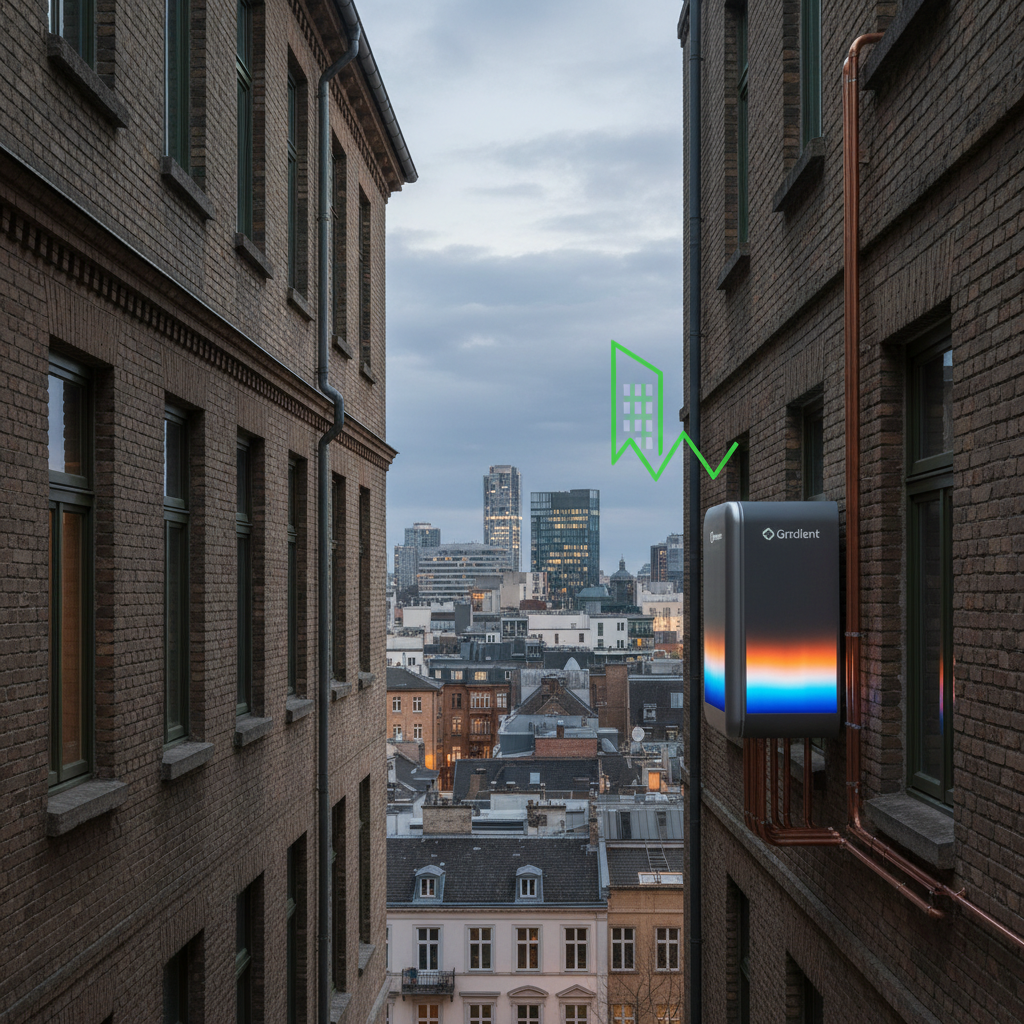
The hum of the servers in Gradient’s Mountain View, California, headquarters is a constant. Engineers, heads down, are running simulations. They’re stress-testing the new software for the company’s window-mounted heat pumps. The goal? To make these units not just efficient, but smart enough to handle the quirks of older buildings. It’s a market ripe for disruption, as per recent reports.
Earlier today, Gradient announced the software upgrade, slated for full rollout by Q3 2026. This isn’t just about tweaking performance; it’s about giving the heat pumps the brains to adapt. To learn the thermal profile of a building, and adjust accordingly.
“We’re talking about a significant leap in how these systems operate,” said Dr. Anya Sharma, lead software architect at Gradient, in a recent briefing. “Older buildings present unique challenges. They often lack insulation, have drafty windows, and uneven heat distribution. Our software uses machine learning to compensate for these variables, ensuring optimal performance.”
The core of the system relies on a network of sensors and algorithms. They monitor temperature, humidity, and energy consumption. The system then adjusts the heat pump’s operation in real-time. This includes modulating fan speed, refrigerant flow, and even the angle of the unit’s vents. The result is a system that can deliver consistent comfort while minimizing energy waste. It’s a complex dance.
Meanwhile, the market is watching closely. Analysts at Deutsche Bank predict the smart-thermostat market alone will reach $15 billion by 2028, and that’s a conservative estimate. Gradient, by focusing on retrofits, is positioning itself in a niche with huge potential. The company’s window-mounted design is a key advantage. It eliminates the need for extensive ductwork, making installation straightforward, even in older buildings.
But the road isn’t without its challenges. The supply chain, as always, is a factor. Component shortages and manufacturing bottlenecks could impact rollout schedules. The company is, reportedly, working to diversify its suppliers, but the global market remains volatile. It seems like the team is well aware of this reality.
Still, the potential rewards are substantial. By making older buildings more energy-efficient, Gradient is not only helping homeowners save money. They’re also contributing to a reduction in carbon emissions. It’s a win-win, really.
Leave a Reply