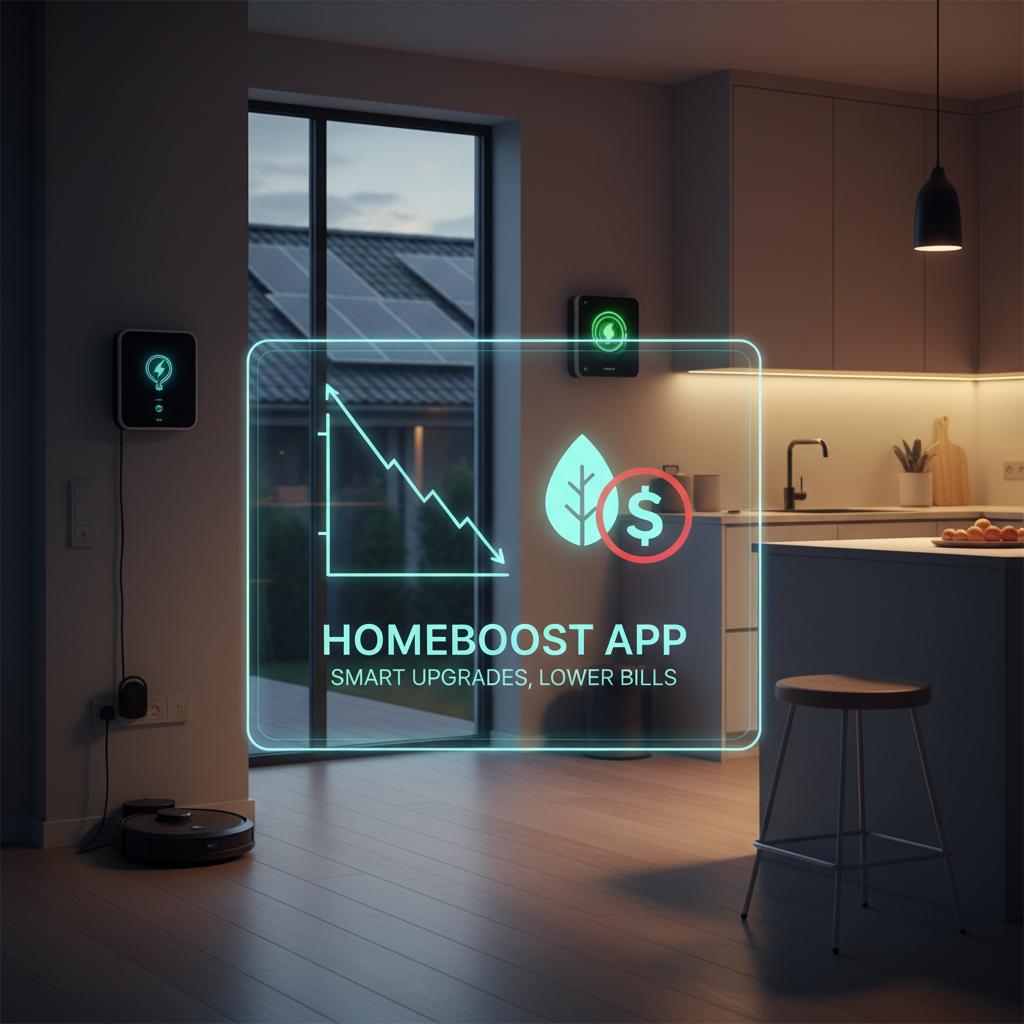
The fluorescent lights of the HomeBoost engineering lab hummed, reflecting off the rows of monitors displaying lines of code and energy consumption graphs. It was late January 2026, and the team was putting the finishing touches on their new app. The goal? To help homeowners understand – and reduce – their utility bills.
HomeBoost is partnering with various utility companies, a move that allows the app to analyze a user’s energy usage data. The app then pinpoints the best upgrades to cut energy consumption.
Earlier today, an analyst from GreenTech Insights, Sarah Chen, said, “The market for smart home energy solutions is projected to reach $15 billion by 2028. HomeBoost is positioning itself perfectly to capture a significant share of that growth.”
The app itself is fairly straightforward. After users grant access to their utility data, HomeBoost analyzes it, identifying areas where energy is being wasted. This could be anything from an inefficient HVAC system to leaky windows. Then, the app suggests specific upgrades – smart thermostats, insulation improvements, or even solar panel installations – and estimates the potential savings. Maybe it’s a bit ambitious, but the team’s enthusiasm is real.
The partnership model is key. By working directly with utilities, HomeBoost gains access to real-time energy consumption data, allowing for more accurate recommendations. The utilities, in turn, can help their customers save money and reduce their carbon footprint. It’s a win-win, really.
The app’s success, however, will depend on more than just technology. The team knows they must navigate the complex world of utility regulations, consumer behavior, and, of course, the ever-changing landscape of energy prices. There’s also the challenge of convincing homeowners to invest in upgrades, even if the long-term savings are significant. HomeBoost is banking on making the process easy and transparent.
The app’s launch date is set for mid-February, with a pilot program already underway in several states. HomeBoost hopes to have over 100,000 active users by the end of the year.
The quiet hum of the servers, the frantic typing, the endless debugging…it’s all part of the startup hustle, all in the hope of saving homeowners some money.
Leave a Reply