The hum of servers fills the air, a constant white noise in the Bengaluru office. Engineers, faces illuminated by multiple monitors, are huddled around a table, reviewing thermal tests for the latest batch of GPUs. It’s early March, and the team is racing against the clock, or maybe that’s how the supply shock reads from here.
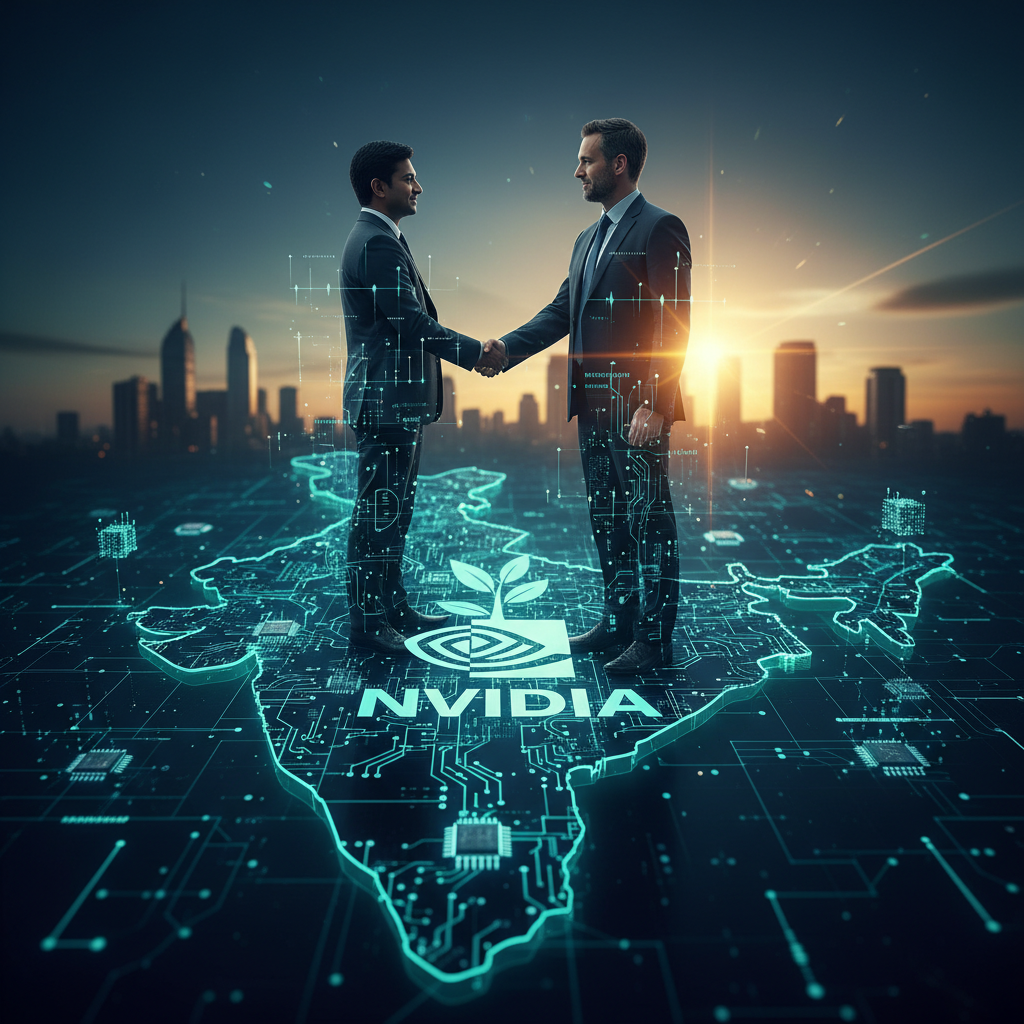
Nvidia, it seems, is betting big on India. The company, as per reports, is actively working with investors, nonprofits, and venture firms to build earlier ties with India’s fast-growing AI founder ecosystem. This push, according to sources familiar with the matter, is designed to catch the wave of AI innovation at its source.
Earlier today, a spokesperson for Nvidia confirmed the strategy, emphasizing the importance of early-stage engagement. This means not just selling chips but also investing in the very companies that will use them. The goal? To build a robust ecosystem, much like the one Nvidia has cultivated in the US and China. And, to do so, they are looking at a timeline that stretches into 2027, with the M300 series slated for release.
The move comes as India’s AI market is poised for significant growth. According to a recent report from IDC, the Indian AI market is expected to reach $7.8 billion by 2026, a substantial increase from the $3 billion recorded in 2022. This rapid expansion is fueled by a confluence of factors: a large pool of tech talent, increasing digital adoption, and supportive government policies. Meanwhile, Nvidia is keen to capitalize on this, positioning itself as a key enabler of this growth.
“We see tremendous potential in the Indian AI landscape,” said a senior executive at Nvidia, speaking on condition of anonymity. “Our strategy is to be present from the ground up, supporting startups with both technology and resources.”
The challenges, of course, are real. The global chip shortage, exacerbated by geopolitical tensions and export controls, remains a significant hurdle. SMIC, the leading Chinese chip manufacturer, is still struggling to get access to advanced manufacturing equipment, which, in a way, limits the broader ecosystem. TSMC, on the other hand, is at full capacity. This, in turn, has forced Nvidia to make some strategic choices about where to place its bets.
Still, the company is moving forward, one startup at a time. The focus appears to be on early-stage investments, providing not just capital but also technical expertise and access to Nvidia’s vast network. The idea is to nurture these startups, helping them develop the next generation of AI solutions. And, perhaps, to secure a steady supply of innovative ideas and technologies.
The Indian government’s push for domestic procurement and its embrace of AI is also playing a role. The Ministry of Electronics and Information Technology, for instance, has been actively promoting AI adoption across various sectors, from healthcare to agriculture. This creates a favorable environment for companies like Nvidia, which can align their strategies with the government’s vision.
The strategy is clear: to be at the forefront of the AI revolution in India. It’s a long game, no doubt, but one that Nvidia seems prepared to play.
Leave a Reply