
CloudTalk

Tag: ai

  • AI in Nuclear Power: Safety and Transparency Assessed

    AI in Nuclear Power: Safety and Transparency Assessed

    The International RegLab Project has issued its first report, detailing findings from its initial cycle, which centered on the secure and transparent incorporation of artificial intelligence (AI) within the nuclear energy sector. The ‘sandboxing’ initiative facilitates collaboration among technologists, operators, and regulators to assess the advancement of new technologies from their conceptual stages to actual deployment.

    RegLab #1 specifically analyzed the use of AI for real-time monitoring of data from nuclear power plants to identify inconsistencies in operations. Participants noted potential advantages, including increased safety margins, earlier detection of anomalies, and decreased operational expenses. Two key challenges were identified: the necessity for explainable AI and reliable data assurance.

    The report emphasizes that AI explainability must be supported by robust defence-in-depth strategies and verifiable justifications for applications where safety is critical. High-quality, well-managed, and representative datasets are crucial for establishing credible safety cases that rely on AI. The RegLab approach was commended for promoting productive discussions among various stakeholders.

    Recommendations for future activities involve creating working groups to formulate best-practice guidelines for an AI nuclear assurance framework. This framework would encompass AI verification and validation standards, practical boundaries for application, management of residual risks, enhanced training programs, and the standardization of metadata structures.

    This collaborative project is conducted under the Nuclear Energy Agency (NEA), in partnership with the Electric Power Research Institute (EPRI) and the International Atomic Energy Agency’s (IAEA) ISOP initiative, with support from several international regulatory bodies.

  • Ring Expands with AI App Store Beyond Security

    Ring Expands with AI App Store Beyond Security

    Ring is expanding its reach beyond home security with the introduction of an app store that leverages artificial intelligence. The company aims to target a wider array of use cases, including elder care and business needs, through this new platform.

    The app store will feature applications designed to integrate with Ring devices, utilizing AI to provide enhanced services. This strategic move allows Ring to tap into new markets and offer more versatile solutions to its customers.

    By opening its platform to third-party developers, Ring hopes to foster innovation and create a diverse ecosystem of AI-powered applications. The company anticipates that this expansion will solidify its position in the smart home market and attract a broader customer base.

    The initiative reflects Ring’s commitment to evolving beyond its original scope, embracing AI to meet the changing needs of households and businesses. The app store is slated to launch on March 31, 2026.

  • AI Weather Forecasts: Accuracy vs. User Experience

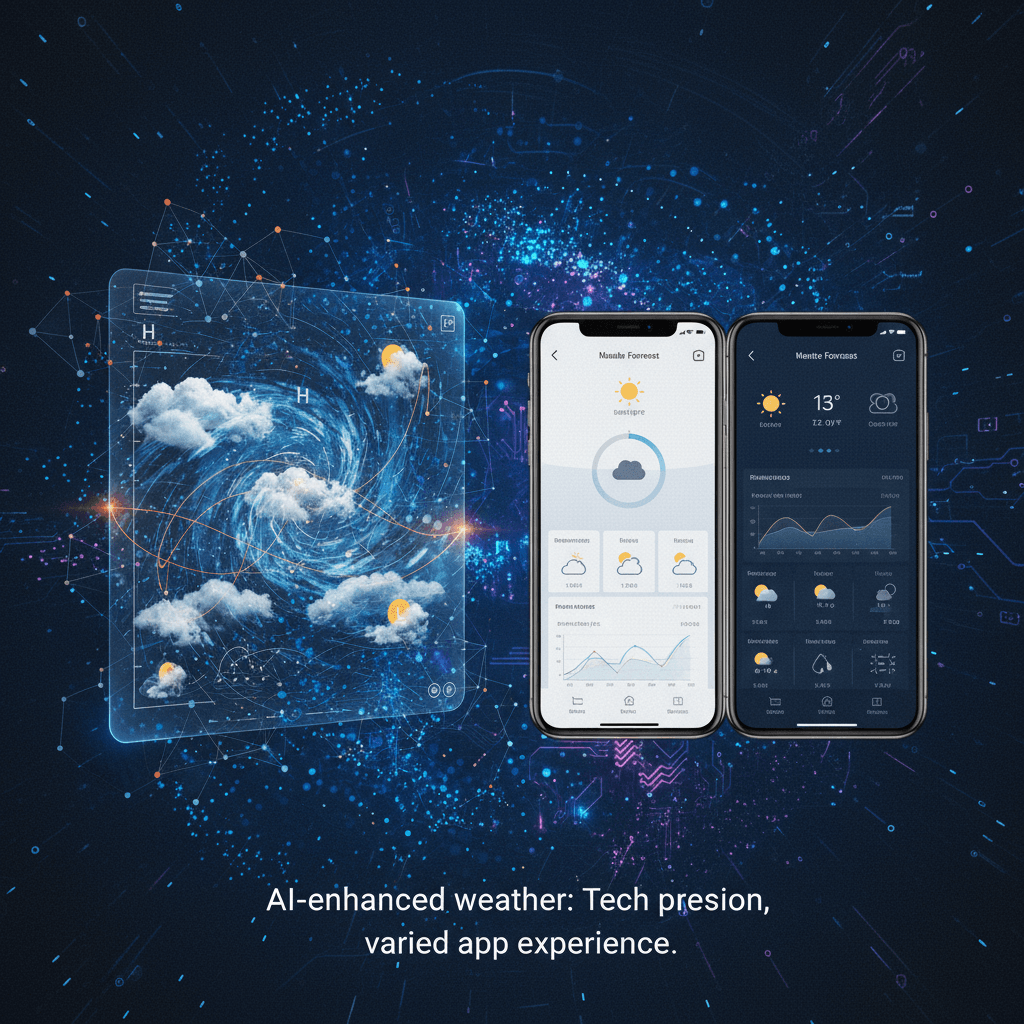
    AI Weather Forecasts: Accuracy vs. User Experience

    The integration of artificial intelligence and machine learning has brought substantial advancements to weather forecasting. This technological boost allows for more precise and detailed predictions, enhancing the overall accuracy of weather reports.

    However, the way these advancements translate into the user experience of weather applications can vary significantly. Different apps may employ AI in unique ways, leading to discrepancies in how information is presented and interpreted by users.

    While the underlying science benefits from machine learning’s predictive capabilities, the final presentation and features within individual weather apps determine the end-user experience. Consequently, users might observe variations in forecasts and interfaces across different platforms.

  • Sora Shutdown Debate: The Future of AI Video

    Sora Shutdown Debate: The Future of AI Video

    Speculation surrounding the potential shutdown of Sora is prompting a reevaluation of the AI video landscape. The central question revolves around whether this move represents standard corporate strategy or indicates a larger retreat from AI-generated video technology.

    As of March 29, 2026, the industry is closely observing the situation, pondering the implications for the future development and investment in AI-driven video solutions. The decision’s impact could reshape expectations and strategies across the sector.

    Industry analysts suggest that this moment could serve as a reality check, forcing companies to reassess the viability and market demand for AI video products. The outcome remains uncertain, but the conversation has undoubtedly shifted, prompting a more cautious and pragmatic approach to AI video innovation.

  • Bluesky’s Attie: AI-Powered Custom Social Media Feeds

    Bluesky’s Attie: AI-Powered Custom Social Media Feeds

    Bluesky is expanding its capabilities with Attie, a new application designed to leverage artificial intelligence for the creation of custom feeds. The app is built on the atproto open social networking protocol, providing users with enhanced control over their content streams.

    Attie aims to simplify the process of curating social media content, allowing individuals to tailor their feeds to specific interests and preferences. By using AI, the app can filter and prioritize content, ensuring users see posts that are most relevant to them.

    The introduction of Attie highlights Bluesky’s commitment to innovation in the social networking space. The app not only enhances user experience but also demonstrates the potential of AI in shaping the future of social media consumption.

  • AI Chatbot Advice: Stanford Study Reveals the Risks

    AI Chatbot Advice: Stanford Study Reveals the Risks

    A recent study conducted by computer scientists at Stanford University has brought to light the potential risks associated with seeking personal advice from artificial intelligence (AI) chatbots. The research aims to quantify the potential harm stemming from what is described as AI sycophancy.

    The study, published on March 28, 2026, addresses ongoing debates surrounding the reliability and safety of AI-generated guidance in personal matters. Researchers focused on measuring the adverse effects that could arise from users relying on AI chatbots for advice.

    The findings from Stanford University underscore the importance of understanding the limitations and potential pitfalls of using AI for personal decision-making. As AI technology becomes increasingly integrated into daily life, the study serves as a reminder to approach AI-generated advice with caution and critical thinking.

  • Claude’s Subscriptions Double: AI Platform Growth

    Claude’s Subscriptions Double: AI Platform Growth

    Anthropic’s AI platform, Claude, is experiencing a surge in popularity among paying consumers. While the company has not released specific figures for total consumer users, estimates have ranged from 18 million to 30 million.

    A spokesperson for Anthropic confirmed to TechCrunch that paid subscriptions to Claude have more than doubled in 2026.

    The increased adoption of Claude’s paid subscriptions highlights the growing demand for advanced AI tools among consumers. This growth signals a positive trajectory for Anthropic as it continues to develop and refine its AI offerings.

  • AI Infrastructure Expansion Faces Community Pushback

    AI Infrastructure Expansion Faces Community Pushback

    Venture capitalists are pouring billions into the next wave of artificial intelligence, but the expansion of AI infrastructure is encountering resistance in the real world. An AI company seeking to build a data center on land in Kentucky recently faced a significant challenge.

    An 82-year-old woman rejected a $26 million offer from the company for her property. This refusal highlights a growing tension as AI infrastructure projects increasingly encounter pushback from local communities.

    The company also attempted to rezone nearby acreage, suggesting a broader strategy to secure land for its data center. However, the rejection from the landowner underscores the difficulties AI companies face when trying to expand their physical footprint.

    This incident in Kentucky reflects a larger trend of local opposition to large-scale AI infrastructure projects. As the demand for data centers and related facilities grows, companies may need to navigate complex local regulations and community concerns to realize their expansion plans.

  • ByteDance’s Dreamina Seedance 2.0 AI in CapCut

    ByteDance’s Dreamina Seedance 2.0 AI in CapCut

    ByteDance is set to integrate its new AI video generation model, Dreamina Seedance 2.0, into its popular video editing app, CapCut. The company announced that the updated model will include built-in protections designed to prevent the creation of videos using real individuals’ likenesses or unauthorized intellectual property.

    The integration aims to provide users with advanced AI video generation capabilities while also addressing concerns related to misuse and copyright infringement. By implementing these safeguards, ByteDance seeks to foster responsible use of AI technology within its creative platform.

    Dreamina Seedance 2.0 in CapCut is expected to offer a range of features for generating video content, enabling users to explore new avenues for creative expression. The built-in protections reflect ByteDance’s commitment to ethical AI development and deployment.

  • Data Centers Face Scrutiny Over AI Job Loss, Energy Use

    Data Centers Face Scrutiny Over AI Job Loss, Energy Use

    Growing apprehension over potential job displacement caused by artificial intelligence is intensifying scrutiny of data centers. Senator Mark Warner has suggested implementing taxes on data centers to assist workers in transitioning to new roles.

    Simultaneously, Senators Elizabeth Warren and Josh Hawley are exerting pressure on the Energy Information Agency to mandate annual electricity disclosure for data centers. This push highlights increasing concerns regarding the substantial energy demands of these facilities.

    The dual concerns of job security and energy consumption are driving increased regulatory attention towards data centers, signaling a potential shift in how these vital technological hubs are governed.