Databricks CEO: AI’s Impact on SaaS Will Be Significant
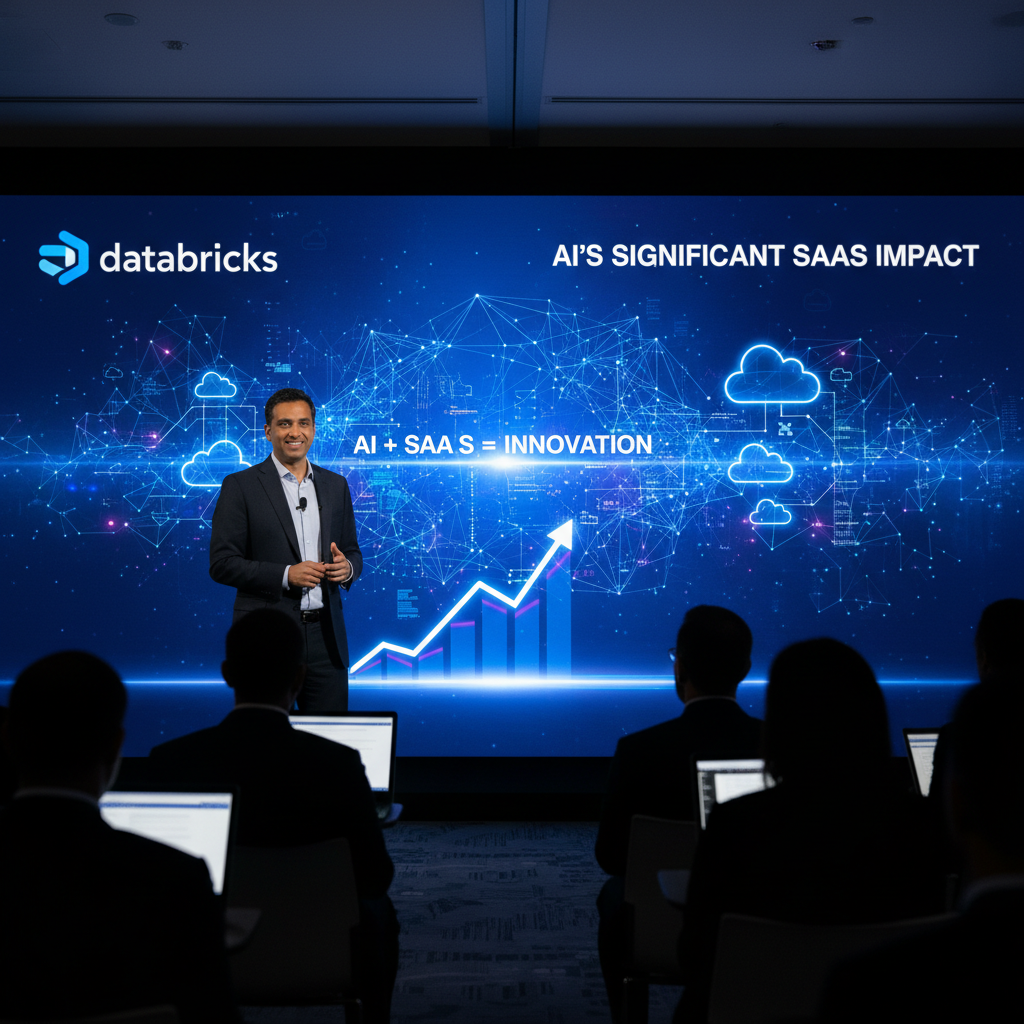
The tech landscape is always in flux, and the rise of artificial intelligence is poised to reshape yet another sector: Software as a Service (SaaS). Ali Ghodsi, CEO of Databricks, recently shared his perspective on the future of SaaS, suggesting that while the technology isn’t immediately doomed, its relevance is on the cusp of significant change. The core of Ghodsi’s argument centers on the transformative potential of AI to alter the competitive dynamics within the software industry.
AI’s Indirect Challenge to SaaS
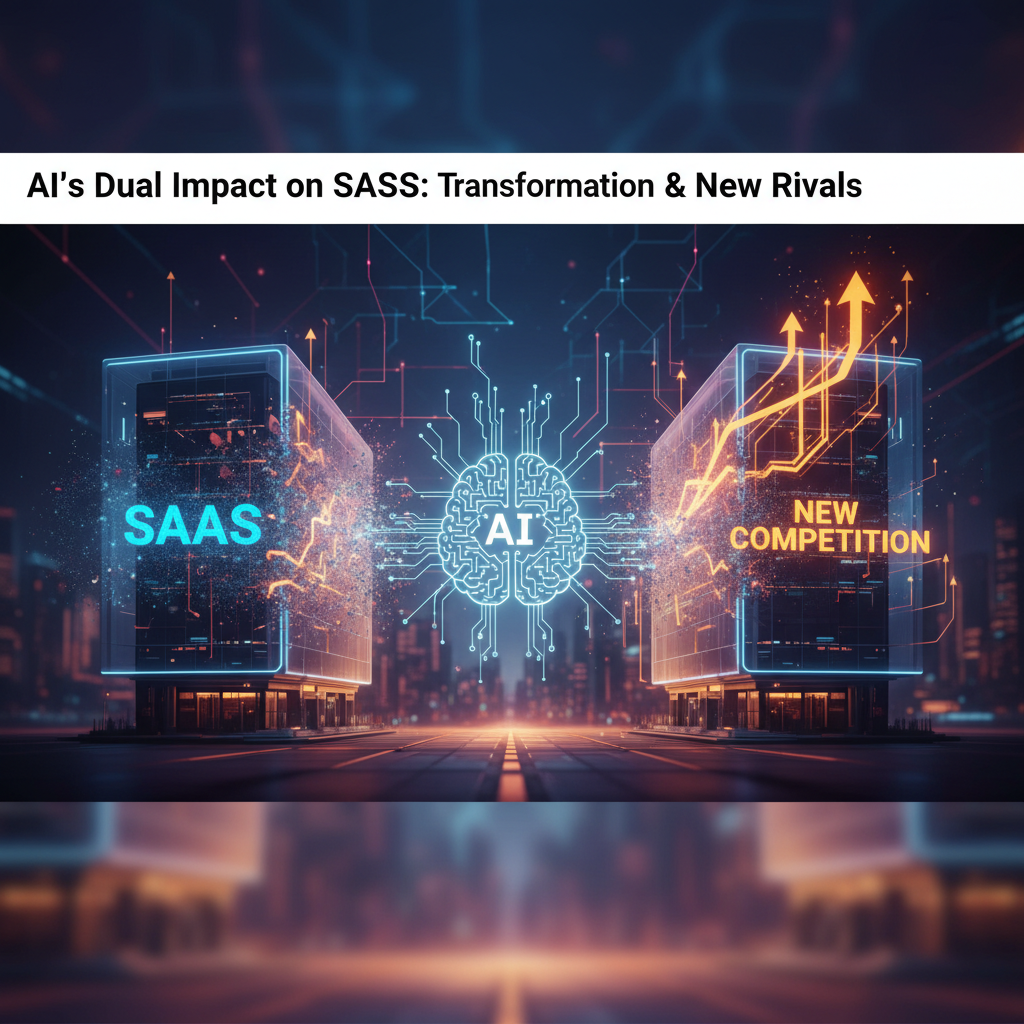
Ghodsi doesn’t foresee a scenario where AI directly replaces major SaaS applications with AI-powered versions. Instead, he believes that AI will be a catalyst for new competition. This perspective implies that AI’s impact on SaaS will be more nuanced, creating opportunities for fresh approaches and innovative solutions. The potential for AI to disrupt the SaaS market lies in its ability to enable the creation of more efficient, specialized, or user-friendly software offerings. The current SaaS giants will likely face pressure from agile competitors leveraging AI to deliver superior value propositions.
The Evolving Role of SaaS
SaaS has become a cornerstone of modern business operations. Its appeal lies in its accessibility, scalability, and cost-effectiveness. However, the emergence of AI introduces new dimensions to these considerations. The ability of AI to automate tasks, personalize user experiences, and provide data-driven insights could redefine the benchmarks for software effectiveness. SaaS providers must adapt to these new standards to remain competitive. This could involve integrating AI into their existing platforms or developing entirely new AI-driven products.
The shift towards AI also poses questions about the future of software development itself. Could AI tools accelerate the development process, making it easier and faster to create and deploy new software solutions? If so, this could further intensify the competition within the SaaS market. Established SaaS companies may need to invest heavily in AI capabilities to maintain their market positions, potentially through acquisitions, partnerships, or internal development projects. The focus will likely shift from simply providing software to delivering intelligent solutions that anticipate user needs and optimize performance.
Implications for the Tech Industry
Ghodsi’s insights have broad implications for the tech industry. They highlight the importance of staying informed about AI developments and understanding how these advancements can be applied in various business contexts. For SaaS companies, this means proactively exploring the potential of AI and integrating it into their strategies. For investors, it suggests a need to re-evaluate the landscape and identify companies that are well-positioned to capitalize on AI-driven opportunities. The software industry is on the verge of a significant transformation, and those who adapt quickly will be best positioned for success.
Conclusion
Ali Ghodsi’s assessment provides a valuable perspective on the future of SaaS. While the technology isn’t facing immediate obsolescence, the rise of AI is poised to reshape the competitive landscape. SaaS providers must embrace AI to remain relevant and competitive. This shift presents both challenges and opportunities for the tech industry, underscoring the importance of innovation, adaptability, and a forward-thinking approach.