CloudTalk

Tag: aws

  • Amazon Nova Web Grounding: Boost AI Accuracy with Real-Time Data

    Amazon Nova Web Grounding: Boost AI Accuracy with Real-Time Data

    Amazon Nova Web Grounding: Enhancing AI Accuracy with Real-Time Data

    In the ever-evolving landscape of artificial intelligence, the quest for accuracy and reliability is paramount. AWS has taken a significant step in this direction with the introduction of Amazon Nova Web Grounding, a powerful new tool designed to enhance the performance of AI applications.

    Understanding Amazon Nova Web Grounding

    AWS has developed Amazon Nova Web Grounding as a built-in tool for Nova models on Amazon Bedrock. This innovative feature is designed to automatically retrieve current and cited information. The primary goal is to drastically reduce AI hallucinations and significantly improve the accuracy of applications that rely on up-to-date factual data. Amazon is clearly focused on refining its AI offerings for the benefit of its users.

    How It Works: Reducing Hallucinations

    One of the most significant challenges in the world of AI is the tendency for models to generate inaccurate or fabricated information, often referred to as AI hallucinations. Amazon Nova Web Grounding tackles this issue head-on by employing a sophisticated mechanism to ensure that the information used by Nova models is not only relevant but also grounded in verifiable, current data. The HOW behind this involves automatically retrieving cited information, thereby increasing the reliability of the AI’s output.

    This approach is particularly valuable for applications where accuracy is critical, such as those that require real-time data, financial analysis, or legal research. By reducing the likelihood of AI hallucinations, Amazon is enabling developers to build more trustworthy and effective AI solutions. The WHY is clear: to ensure the accuracy of applications that need up-to-date factual data.

    Key Benefits and Applications

    The implications of Amazon Nova Web Grounding are far-reaching, with potential benefits across various industries. By improving accuracy, AWS is empowering developers to create more reliable and trustworthy AI applications. Some key advantages include:

    • Enhanced Accuracy: Reducing the occurrence of AI hallucinations leads to more precise and dependable results.
    • Improved Reliability: Applications can be trusted to provide current and accurate information.
    • Wider Applicability: The tool is particularly beneficial for applications requiring real-time data analysis, content creation, and other areas where accuracy is crucial.

    The WHAT is a new tool that will change the way we interact with AI. The WHERE is Amazon Bedrock, and the WHO is AWS and Amazon. The WHEN is now, as this feature is being introduced to enhance AI applications.

    Conclusion

    Amazon Nova Web Grounding represents a significant advancement in the field of AI. By addressing the challenge of AI hallucinations, AWS is paving the way for more accurate, reliable, and trustworthy AI applications. This innovation underscores Amazon’s commitment to advancing AI technology and providing developers with the tools they need to build the next generation of intelligent solutions.
  • AWS Weekly Roundup: Updates and Insights (October 27, 2025)

    AWS Weekly Roundup: Updates and Insights (October 27, 2025)

    AWS Weekly Roundup: October 27, 2025

    Each week, Amazon Web Services (AWS) provides updates on its services, new features, and any significant events impacting its users. This week’s roundup, as of October 27, 2025, covers a range of developments, from new product launches to service disruptions.

    Service Disruptions and Resolutions

    On Monday, October 27, 2025, users in the North Virginia (us-east-1) Region experienced service disruptions. What caused this? The primary issue was a DNS configuration problem, which affected several services, including DynamoDB. Who was impacted? Numerous customers relying on these services. How was it resolved? AWS addressed the issue and provided a detailed summary of the incident.

    The resolution of this issue underscores the importance of resilient infrastructure and the need for prompt responses to service disruptions. AWS has since provided a full account of the incident, detailing the root cause and the steps taken to prevent future occurrences. The promptness of the fix is a good example of AWS’s commitment to service reliability.

    New AWS Offerings and Features

    Beyond addressing service disruptions, AWS continues to innovate and introduce new services and features. This week’s announcements include:

    AWS RTB Fabric

    AWS RTB Fabric is a new service designed to enhance real-time bidding (RTB) capabilities. While specifics are not provided in the original source, it likely aims to improve efficiency and performance for advertising and marketing applications. This update highlights AWS’s commitment to the advertising technology sector.

    AWS Customer Carbon Footprint Tool

    In line with growing environmental concerns, AWS has introduced a Customer Carbon Footprint Tool. Why this tool? It allows customers to monitor and understand the carbon footprint associated with their AWS usage. This tool provides insights into energy consumption and helps businesses make informed decisions to reduce their environmental impact. Who benefits? Businesses aiming to improve sustainability.

    AWS Secret-West Region

    AWS continues to expand its global infrastructure. The introduction of the Secret-West Region indicates AWS’s ongoing investment in secure and isolated environments. Where is this region located? The exact location is undisclosed due to the nature of its security focus. This expansion underscores AWS’s dedication to providing robust, secure cloud computing services.

    Key Takeaways and Future Outlook

    The AWS ecosystem is continuously evolving. This week’s updates demonstrate AWS’s focus on both service reliability and innovation. The resolution of the DNS configuration issue in us-east-1 highlights the importance of operational excellence. The introduction of new tools and services, such as the Customer Carbon Footprint Tool and AWS RTB Fabric, further illustrates AWS’s commitment to meeting evolving customer needs and addressing pressing industry challenges.

    Conclusion

    The AWS weekly roundup for October 27, 2025, provides a snapshot of the dynamic nature of cloud computing. From addressing service disruptions to introducing new features, AWS continues to adapt and innovate. Keeping abreast of these updates is crucial for anyone leveraging AWS services. When considering these updates, remember that AWS is committed to providing a reliable and feature-rich cloud computing environment.

    Source: AWS News Blog

  • AWS Weekly Roundup: Service Disruptions & New Features (October 27, 2025)

    AWS Weekly Roundup: Service Disruptions & New Features (October 27, 2025)

    AWS Weekly Roundup: Navigating Disruptions and Unveiling New Services

    The week of October 27, 2025, presented a mixed bag of news for Amazon Web Services (AWS) users. While AWS continues to innovate and roll out new features, the week was marred by service disruptions that affected users globally. This article provides a comprehensive overview of the week’s events, focusing on the challenges faced, the new services announced, and the underlying causes of the issues.

    Service Disruptions in us-east-1 Region

    On Monday, October 27, 2025, AWS experienced a significant service disruption in the North Virginia (us-east-1) Region. This outage impacted several key services, including DynamoDB and others. The root cause of the disruption was identified as a DNS configuration problem, which led to widespread service unavailability for many users. AWS has since resolved the issue, and a detailed summary of the incident is available for those seeking technical insight.

    Who: AWS, the leading cloud service provider, was directly responsible for addressing the outage. The incident underscored the importance of robust infrastructure and efficient incident response within the company. Where: The primary impact was felt within the us-east-1 region, highlighting the concentration of services and the potential for cascading failures in a single region. How: The disruption occurred because of a DNS configuration problem. Why: This event serves as a reminder of the complexities inherent in cloud computing and the critical need for meticulous configuration management.

    New AWS Services and Features

    Despite the challenges, AWS continued to push forward with innovation, announcing several new services and features. These updates reflect AWS’s ongoing commitment to providing a comprehensive and evolving cloud platform.

    AWS RTB Fabric

    One of the key announcements was the introduction of AWS RTB Fabric. While specific details about this service are limited in the provided source, it likely aims to enhance real-time bidding (RTB) capabilities for advertising and other time-sensitive applications. Further information will be needed to fully understand the features and benefits of this new offering.

    AWS Customer Carbon Footprint Tool

    In a move towards greater environmental responsibility, AWS unveiled the AWS Customer Carbon Footprint Tool. This tool allows customers to monitor and understand the carbon footprint associated with their AWS usage. This initiative aligns with the growing demand for sustainable cloud computing solutions and offers customers insights into their environmental impact. Why: This service is designed to help customers meet their sustainability goals.

    AWS Secret-West Region

    The announcement of the AWS Secret-West Region hints at AWS’s continued expansion into secure and specialized cloud environments. This region is likely designed to cater to the specific needs of government agencies and other organizations requiring enhanced security and compliance. The location and specific capabilities of this region remain undisclosed, emphasizing the sensitive nature of the services it will provide.

    Analysis and Outlook

    The week’s events highlight the dual nature of the AWS ecosystem: continuous innovation alongside the persistent challenges of maintaining a complex, global infrastructure. The service disruptions in the us-east-1 region served as a cautionary tale, emphasizing the importance of redundancy, robust configuration management, and swift incident response. Simultaneously, the introduction of new services like AWS RTB Fabric, the Customer Carbon Footprint Tool, and the Secret-West Region underscores AWS’s commitment to expanding its offerings and addressing emerging customer needs.

    Who: AWS continues to be a key player in the cloud computing market. What: The announcements and disruptions paint a picture of AWS as a dynamic and evolving platform. When: The events unfolded during the week of October 27, 2025. Where: The impact was felt globally, with a concentrated focus on the us-east-1 region. How: The DNS configuration issue caused the service disruption. Why: The service disruptions and the introduction of new services highlight the complexities and constant evolution of the cloud computing landscape.

    Conclusion

    The AWS ecosystem, as demonstrated during the week of October 27, 2025, is a landscape of both promise and potential pitfalls. While the company continues to innovate and introduce new services, maintaining a stable and reliable infrastructure remains paramount. Users must remain vigilant, understanding that service disruptions are a possibility and that proactive measures, such as multi-region deployments and robust monitoring, are critical for mitigating risk. The new services announced provide an exciting glimpse into the future of cloud computing, emphasizing sustainability, specialized security, and advanced capabilities.

    Tags: AWS, Cloud Computing, Technology, Service Disruption, DynamoDB, DNS, us-east-1, AWS RTB Fabric, AWS Customer Carbon Footprint Tool, AWS Secret-West Region

  • AWS RTB Fabric: Revolutionizing Real-Time Advertising for AdTech

    AWS RTB Fabric: Revolutionizing Real-Time Advertising for AdTech

    AWS RTB Fabric: A New Era for Real-Time Advertising

    In the fast-paced world of digital advertising, speed and efficiency are paramount. To address these needs, AWS has introduced AWS RTB Fabric, a fully managed service designed to revolutionize real-time bidding (RTB) advertising workloads. This innovative solution offers AdTech companies a dedicated, high-performance network environment, promising significant improvements in performance and cost savings.

    What is AWS RTB Fabric?

    AWS RTB Fabric is a specialized service built to streamline and optimize the complex processes involved in real-time bidding. What it does is provide a dedicated network environment that allows AdTech companies to connect seamlessly with their supply partners and demand partners. This environment is engineered to deliver exceptional performance, ensuring that every bid request and response is handled with minimal latency.

    What makes AWS RTB Fabric stand out is its focus on performance. It aims to achieve single-digit millisecond performance, a crucial factor in the competitive landscape of RTB. This speed advantage allows AdTech companies to make quicker decisions, ultimately leading to better outcomes in their advertising campaigns.

    How AWS RTB Fabric Works

    How does AWS RTB Fabric achieve such impressive results? The service works by providing a dedicated, high-performance network environment. This environment is specifically designed to handle the demanding requirements of RTB workloads. By connecting with supply partners and demand partners through this dedicated network, AdTech companies can experience significantly reduced latency and improved overall performance.

    This streamlined approach eliminates the need for colocation infrastructure or upfront commitments. This reduction in complexity allows businesses to focus on their core competencies: developing compelling advertising campaigns and optimizing their strategies.

    The Benefits: Why Choose AWS RTB Fabric?

    Why should AdTech companies consider adopting AWS RTB Fabric? The answer lies in the multitude of benefits it offers. The primary advantages include:

    • Enhanced Performance: Single-digit millisecond performance ensures rapid processing of bid requests and responses.
    • Cost Savings: Up to 80% lower networking costs compared to standard cloud connections.
    • Simplified Infrastructure: Eliminates the need for colocation infrastructure and upfront commitments.
    • Focus on Innovation: Allows AdTech companies to concentrate on developing innovative advertising strategies.

    Why these benefits matter is because they directly translate to a competitive edge in the advertising market. Lower costs allow for increased investment in other areas, while faster performance leads to improved campaign effectiveness. By eliminating the complexities of managing infrastructure, AWS RTB Fabric empowers AdTech companies to focus on what matters most: delivering impactful advertising experiences.

    Key Features and Capabilities

    AWS RTB Fabric comes equipped with several key features designed to optimize RTB workloads. These include:

    • High-Performance Networking: A dedicated network environment optimized for low latency.
    • Fully Managed Service: AWS handles the underlying infrastructure, reducing operational overhead.
    • Scalability: Designed to handle the fluctuating demands of real-time bidding.
    • Security: Robust security features to protect data and ensure compliance.

    Who Can Benefit from AWS RTB Fabric?

    Who stands to benefit from AWS RTB Fabric? The primary beneficiaries are AdTech companies of all sizes. Supply partners and demand partners will also experience improvements as a result of the enhanced performance and efficiency of the platform. This service is particularly well-suited for companies that:

    • Engage in high-volume RTB transactions.
    • Require low-latency performance.
    • Seek to reduce networking costs.
    • Want to simplify their infrastructure management.

    Conclusion

    AWS RTB Fabric represents a significant advancement in the realm of real-time advertising technology. By providing a high-performance, cost-effective, and fully managed solution, AWS is empowering AdTech companies to thrive in an increasingly competitive market. The focus on speed, efficiency, and simplified infrastructure makes AWS RTB Fabric a compelling choice for businesses looking to optimize their RTB workloads and achieve better results.

    As the digital advertising landscape continues to evolve, AWS is committed to providing innovative solutions that meet the changing needs of its customers. AWS RTB Fabric is a testament to this commitment, offering a powerful tool for driving success in the world of real-time bidding.

    Sources:

  • AWS RTB Fabric: Revolutionizing Real-Time Bidding Advertising

    AWS RTB Fabric: Revolutionizing Real-Time Bidding Advertising

    AWS RTB Fabric: A New Era for Real-Time Advertising Technology

    In the fast-paced world of digital advertising, speed and efficiency are paramount. To address these critical needs, AWS has launched AWS RTB Fabric. This innovative service is poised to transform how AdTech companies manage their real-time bidding (RTB) advertising workloads. It offers a fully managed solution designed to provide exceptional performance and cost savings.

    What is AWS RTB Fabric?

    AWS RTB Fabric is a fully managed service built specifically for the demands of real-time bidding advertising workloads. It provides a dedicated, high-performance network environment that allows AdTech companies to seamlessly connect with their supply partners and demand partners. This dedicated environment is crucial for the efficient exchange of data and the rapid execution of ad auctions.

    How Does AWS RTB Fabric Work?

    The core functionality of AWS RTB Fabric revolves around providing a dedicated and optimized network. AWS facilitates the connection between supply partners and demand partners through this network. This optimized environment is a key factor in achieving the performance gains that AWS RTB Fabric offers. The service manages all the underlying infrastructure, allowing AdTech companies to focus on their core business.

    Key Benefits and Features

    • Exceptional Performance: AWS RTB Fabric is engineered to deliver single-digit millisecond performance, a crucial factor in the competitive landscape of real-time bidding. This rapid response time ensures that ad bids are processed quickly, maximizing the chances of winning auctions.
    • Cost Reduction: AdTech companies can experience up to 80% lower networking costs compared to standard cloud connections. This cost efficiency is a significant advantage, allowing businesses to allocate resources more effectively.
    • Elimination of Infrastructure Overhead: The service eliminates the need for colocation infrastructure and upfront commitments. This reduces the operational burden on AdTech companies, allowing them to focus on innovation and growth.

    Why AWS RTB Fabric Matters

    The why behind AWS RTB Fabric is clear: to empower AdTech companies. AWS designed this service to enable AdTech companies to connect with their supply and demand partners more efficiently. By delivering single-digit millisecond performance, it ensures that companies can participate in real-time auctions with a competitive edge. The lower networking costs are another key benefit, allowing for greater profitability and investment in other areas. Furthermore, by eliminating the need for colocation infrastructure or upfront commitments, AWS simplifies the infrastructure management for these companies.

    Impact on AdTech Companies

    AdTech companies that adopt AWS RTB Fabric can expect significant improvements in several areas. The enhanced performance translates to more successful ad auctions. The cost savings enable more efficient resource allocation. The simplified infrastructure management reduces operational overhead, allowing teams to focus on strategic initiatives.

    Conclusion

    AWS RTB Fabric represents a significant advancement in the realm of real-time advertising technology. By offering a fully managed service with exceptional performance, cost savings, and simplified infrastructure, AWS is providing AdTech companies with the tools they need to thrive in a competitive market. As the digital advertising landscape continues to evolve, solutions like AWS RTB Fabric will be crucial for companies seeking to maintain a competitive edge.

    AWS is committed to providing innovative solutions that address the evolving needs of its customers. AWS RTB Fabric is a testament to this commitment, offering a powerful and cost-effective solution for real-time bidding in advertising.

    Sources

  • AWS Weekly Roundup: New Features & Updates (Oct 6, 2025)

    AWS Weekly Roundup: New Features & Updates (Oct 6, 2025)

    AWS Weekly Roundup: Exciting New Developments (October 6, 2025)

    Last week, AWS unveiled a series of significant updates and new features, showcasing its commitment to innovation in cloud computing and artificial intelligence. This roundup highlights some of the most noteworthy announcements, including advancements in Amazon Bedrock, AWS Outposts, Amazon ECS Managed Instances, and AWS Builder ID.

    Anthropic’s Claude Sonnet 4.5 Now Available in Amazon Q

    A highlight of the week was the availability of Anthropic’s Claude Sonnet 4.5 in Amazon Q command line interface (CLI) and Kiro. According to SWE-Bench, Claude Sonnet 4.5 is the world’s best coding model. This integration promises to enhance developer productivity and streamline workflows. The news is particularly exciting for AWS users looking to leverage cutting-edge AI capabilities.

    Key Announcements and Features

    The updates span a range of AWS services, providing users with more powerful tools and greater flexibility. These advancements underscore AWS’s dedication to providing a comprehensive and constantly evolving cloud platform.

    • Amazon Bedrock: Expect new features and improvements to this key AI service.
    • AWS Outposts: Updates for improved hybrid cloud deployments.
    • Amazon ECS Managed Instances: Enhancements to streamline container management.
    • AWS Builder ID: Further developments aimed at simplifying identity management.

    Looking Ahead

    The continuous evolution of AWS services, with the addition of Anthropic’s Claude Sonnet, underscores the company’s commitment to providing cutting-edge tools and solutions. These updates reflect AWS’s dedication to supporting developers and businesses of all sizes as they navigate the complexities of the cloud.

  • Cloud SaaS: What You Need to Know

    Cloud SaaS: What You Need to Know

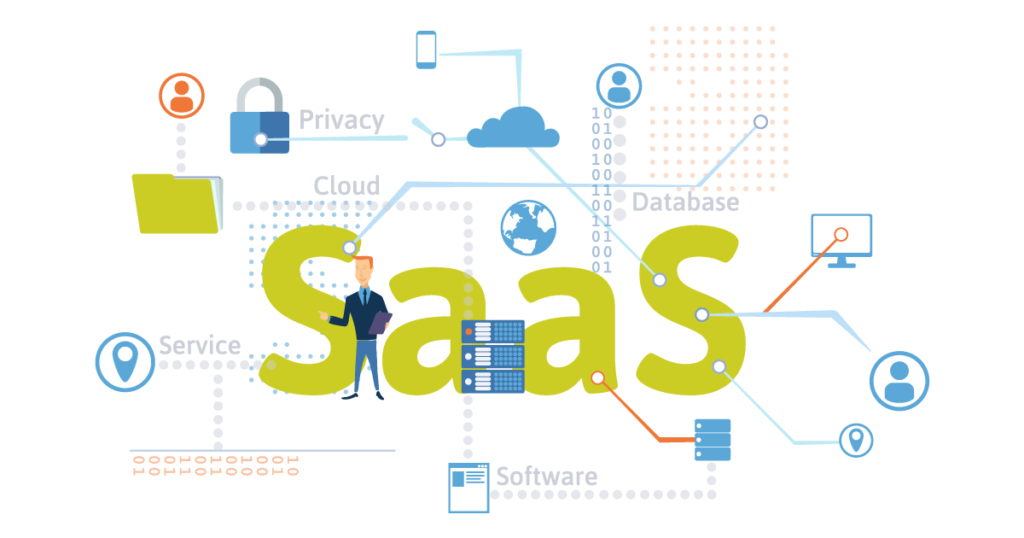
    Cloud SaaS (Software as a Service) is a cloud computing model where software applications are delivered over the internet on a subscription basis. Instead of installing and maintaining software on individual devices, users access it via a web browser—anytime, anywhere.

    Popular examples of SaaS include Google Workspace, Microsoft 365, Salesforce, Zoom, and Dropbox. These tools are hosted, updated, and maintained by service providers, freeing users from infrastructure and maintenance concerns.

    Key features of SaaS:

    • Accessibility: Use software from any device with an internet connection

    • Automatic updates: Providers manage patches and new features

    • Scalability: Easily add or remove users as needed

    • Subscription pricing: Pay monthly or annually, based on usage

    Benefits of SaaS:

    • Lower upfront costs

    • Faster deployment

    • Minimal IT overhead

    • Enhanced collaboration and mobility

    SaaS is ideal for businesses of all sizes looking for quick, reliable, and cost-effective solutions—especially in areas like productivity, CRM, accounting, and communication.

    However, organizations must also consider data security, compliance, and vendor lock-in when adopting SaaS.

    In today’s digital era, SaaS is a core driver of agility, innovation, and operational efficiency.

  • Cloud Workload: What You Need to Know

    Cloud Workload: What You Need to Know

    A cloud workload refers to any application, service, or process running in a cloud environment. This can include websites, databases, analytics tools, machine learning models, virtual desktops, or backup systems.

    Understanding cloud workloads is essential for optimizing performance, security, and cost. Each workload has specific needs—some require high compute power, others demand low latency, while some prioritize storage or network speed.

    Workloads are typically categorized into types such as:

    • Transactional (e.g., e-commerce platforms)

    • Batch processing (e.g., data analytics jobs)

    • Web and mobile apps

    • AI/ML workloads

    • Backup and disaster recovery

    Cloud providers like AWS, Azure, and Google Cloud offer tailored services and pricing models to run different workload types efficiently. Choosing the right infrastructure—whether containers, serverless, or virtual machines—ensures optimal performance and cost-effectiveness.

    Key considerations for managing cloud workloads include:

    • Scalability: Automatically adjust resources to demand

    • Security: Ensure proper access control and encryption

    • Monitoring: Track performance and usage in real-time

    • Cost optimization: Avoid overprovisioning or idle resources

    In short, managing cloud workloads effectively enables businesses to run faster, smarter, and more reliably in today’s digital-first world.

  • Cloud Architecture: What You Need to Know

    Cloud Architecture: What You Need to Know

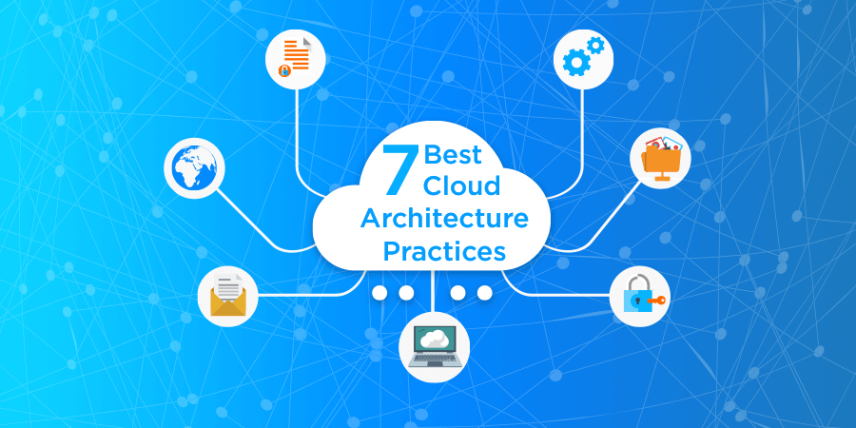
    Cloud architecture is the design and structure of technologies used to build cloud-based applications and services. It includes components such as servers, storage, databases, networking, and software—all hosted and managed in the cloud.

    A well-designed cloud architecture ensures scalability, reliability, security, and cost-efficiency. It allows businesses to deliver services faster and adapt to changing demands without managing physical hardware.

    Key elements of cloud architecture include:

    • Compute Resources: Virtual machines, containers, and serverless functions.

    • Storage Systems: Object, block, or file storage to manage data.

    • Networking: Load balancers, virtual networks, and gateways.

    • Databases: Managed SQL and NoSQL solutions.

    • Monitoring & Security: Tools for performance tracking, identity management, and threat protection.

    Cloud architectures can follow models like:

    • Monolithic: Single-unit applications (less common today).

    • Microservices: Modular components for flexibility and speed.

    • Serverless: Event-driven, auto-scaling functions without server management.

    Major providers like AWS, Azure, and Google Cloud offer tools and frameworks to build robust cloud architectures tailored to your needs.

    A strong cloud architecture forms the backbone of digital transformation. It helps businesses innovate faster, reduce downtime, and stay competitive in a rapidly evolving tech landscape.

  • Cloud Deployment: What You Need to Know

    Cloud Deployment: What You Need to Know

    Cloud deployment refers to the process of making applications, services, or infrastructure available in a cloud environment. It involves selecting a cloud model, configuring resources, and delivering solutions over the internet.

    There are four main types of cloud deployment models:

    • Public Cloud: Shared infrastructure offered by providers like AWS, Azure, or Google Cloud.

    • Private Cloud: Dedicated resources for one organization, offering more control.

    • Hybrid Cloud: A mix of public and private, for greater flexibility.

    • Multi-Cloud: Using services from multiple cloud providers to avoid lock-in and enhance reliability.

    Deployment can be done using tools and services like:

    • CI/CD pipelines for automated deployments

    • Infrastructure as Code (e.g., Terraform, CloudFormation)

    • Container orchestration (e.g., Kubernetes)

    Benefits of cloud deployment include:

    • Faster time to market

    • Scalability on demand

    • Reduced infrastructure costs

    • Global accessibility

    Best practices include proper planning, securing your environments, monitoring performance, and automating repeatable tasks.

    Cloud deployment empowers businesses to deliver apps and services quickly and reliably. Whether you’re launching a small website or a global platform, understanding cloud deployment is key to digital success.