Tag: Carbon Robotics

  • Carbon Robotics AI: Revolutionizing Farming with Weed Detection

    Carbon Robotics AI: Revolutionizing Farming with Weed Detection

    The hum of servers filled the air, a familiar backdrop in the Carbon Robotics lab. Engineers, faces illuminated by screens, were reviewing the latest thermal tests. It was late January, and the pressure was on to finalize the Large Plant Model (LPM) before the upcoming agricultural season.

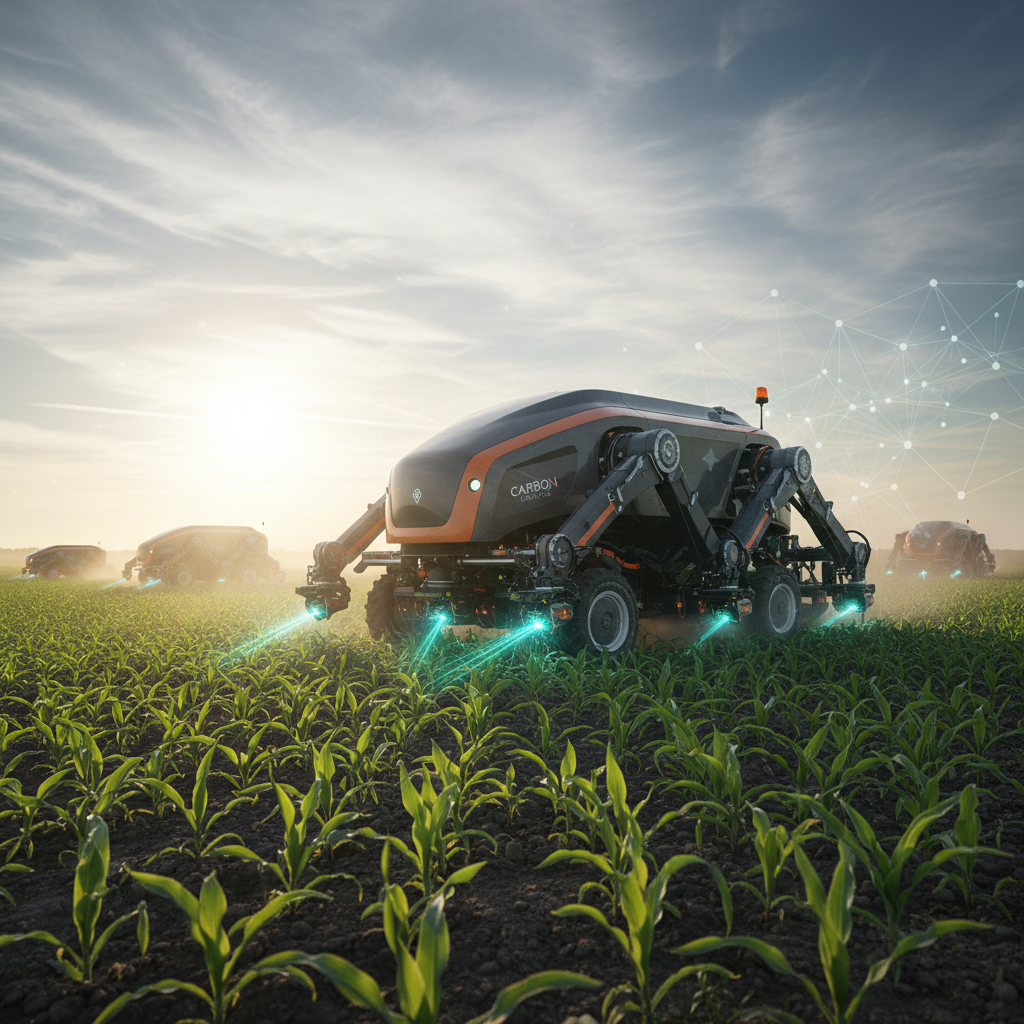
    This isn’t just another AI model. Carbon Robotics, a company dedicated to agricultural innovation, has developed an AI capable of identifying and eliminating weeds. The implications are significant: farmers can now target new types of weeds without the costly and time-consuming process of retraining their machines. The technology, as per company statements, promises to boost efficiency and reduce reliance on herbicides.

    The core of the technology lies in its sophisticated neural network, trained on a vast dataset of plant images. This allows the machines to differentiate between crops and weeds with remarkable accuracy. According to a recent TechCrunch report, the system is designed to adapt and learn, constantly improving its weed-detection capabilities. It’s a bit like having a highly trained botanist riding along, but one that never gets tired.

    Meanwhile, the market is buzzing. Analyst firm Gartner projects a 20% increase in the adoption of AI-driven agricultural solutions by 2027. This surge, analysts believe, is fueled by increasing labor costs and a growing demand for sustainable farming practices. But, as with all tech, supply chain issues remain. The availability of high-performance GPUs, crucial for the model’s operation, is a constant concern.

    “The ability to quickly adapt to new weed types is a game-changer,” said Dr. Emily Carter, an agricultural technology analyst, in a recent interview. “It gives farmers far more control.”

    Earlier today, there was a conference call. The tone was cautious optimism. Executives discussed potential partnerships and the challenges of scaling production. The company is reportedly targeting the deployment of its machines across 10,000 acres of farmland by the end of Q1 2026. This, however, depends on securing key components. The team is probably working on contingency plans.

    The technology itself is impressive. It’s a complex dance of machine learning, image recognition, and precision robotics. The system identifies a weed, and then a targeted burst of energy eliminates it. No chemicals needed. This is what the company hopes will differentiate it from competitors.

    The future, it seems, is in the fields.
  • Carbon Robotics AI: Revolutionizing Weed Control in Farming

    Carbon Robotics AI: Revolutionizing Weed Control in Farming

    The hum of the server room was a constant, a low thrum that vibrated through the floor. It was late, but the Carbon Robotics team was still poring over the latest data. They were focused on the Large Plant Model, a new AI system designed to identify and eliminate weeds in agricultural fields.

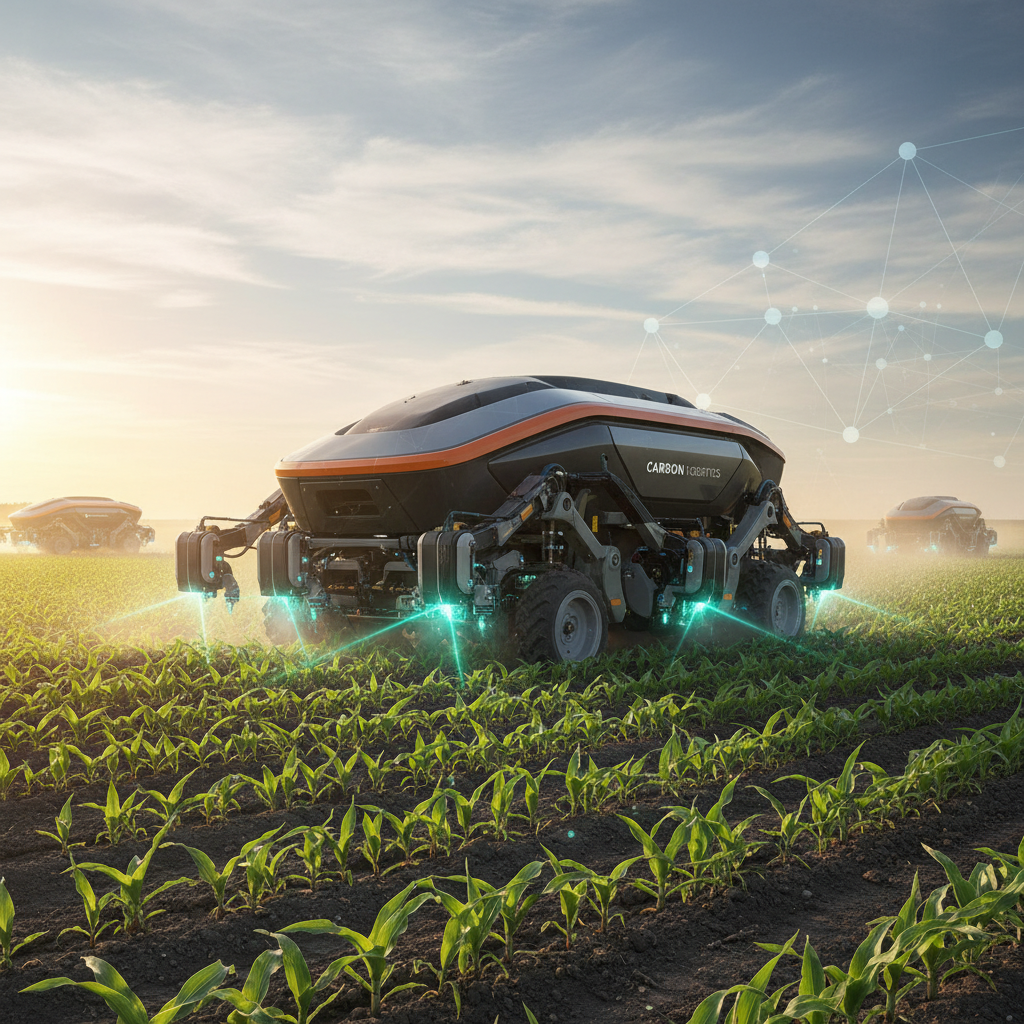
    Earlier this year, the company announced the model, which allows farmers to kill new types of weeds without retraining the machines. This has been a game changer for the agriculture industry. The promise of the new AI is to revolutionize weed control.

    One of the engineers, Sarah Chen, pointed to a heat map on the screen. “The model is performing better than expected, even with the new data sets,” she said. The team had been working tirelessly, feeding the AI with images and information. The model’s ability to learn and adapt is what sets it apart.

    As per reports, the Large Plant Model is trained on a massive dataset of plant images, allowing it to differentiate between crops and weeds with remarkable accuracy. This precision is critical. It allows the Carbon Robotics machines to target weeds without harming the crops. This is a big deal for farmers.

    By evening, the mood was cautiously optimistic. The initial tests were promising. Still, there were challenges. The success, of course, hinges on the model’s ability to adapt to different environments and weed types.

    According to a report from TechCrunch, the new model doesn’t require retraining, which saves time and money. Carbon Robotics’ machines are already deployed on farms across the United States. The company hopes this new AI will further increase efficiency and reduce the need for herbicides.

    An analyst at Gartner, speaking on the condition of anonymity, noted, “This could be a real shift. If Carbon Robotics delivers on its promise, it could change the way we think about weed control.”

    The implications are significant. Reduced herbicide use, increased crop yields, and more sustainable farming practices are all within reach. It’s a complex undertaking, a blend of hardware, software, and real-world application.

    The company is aiming for widespread adoption of its technology by 2027. It’s a bold goal, but with the advancements already made, it seems within grasp.