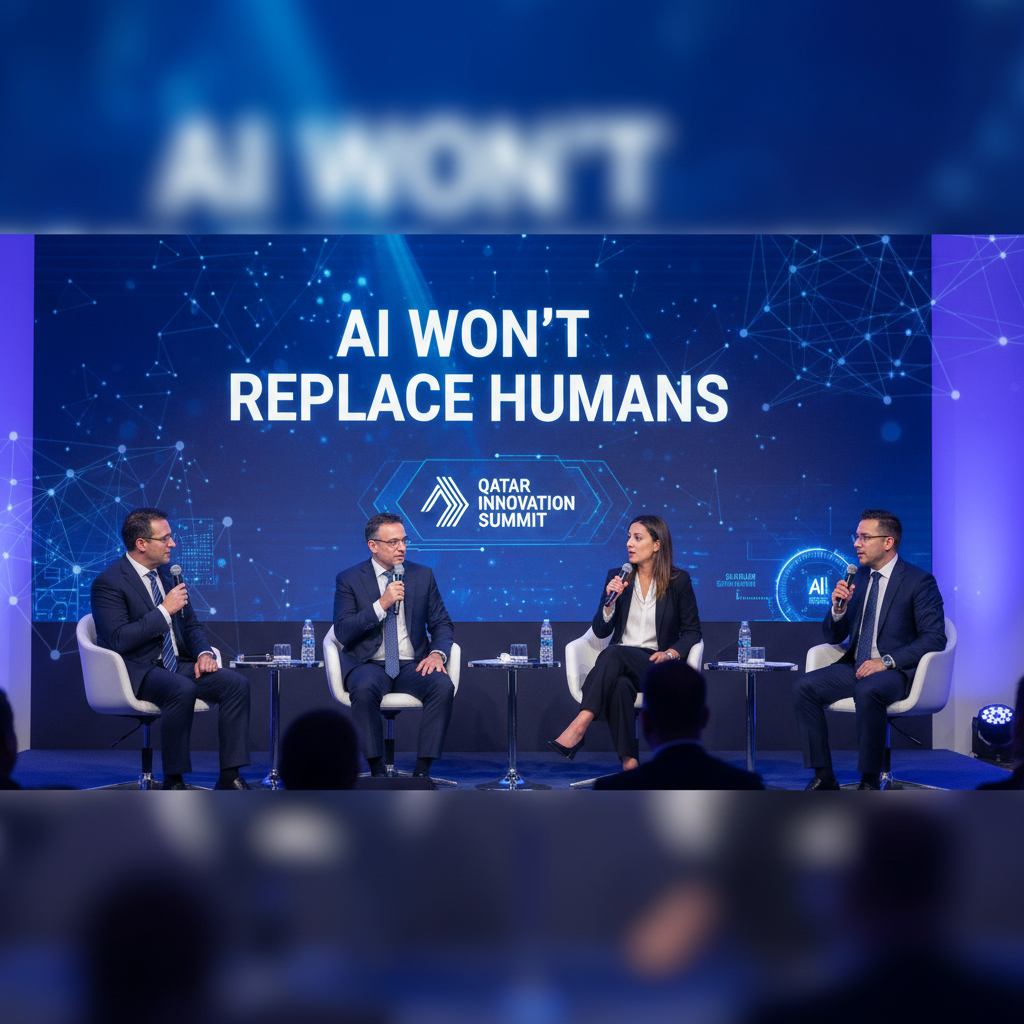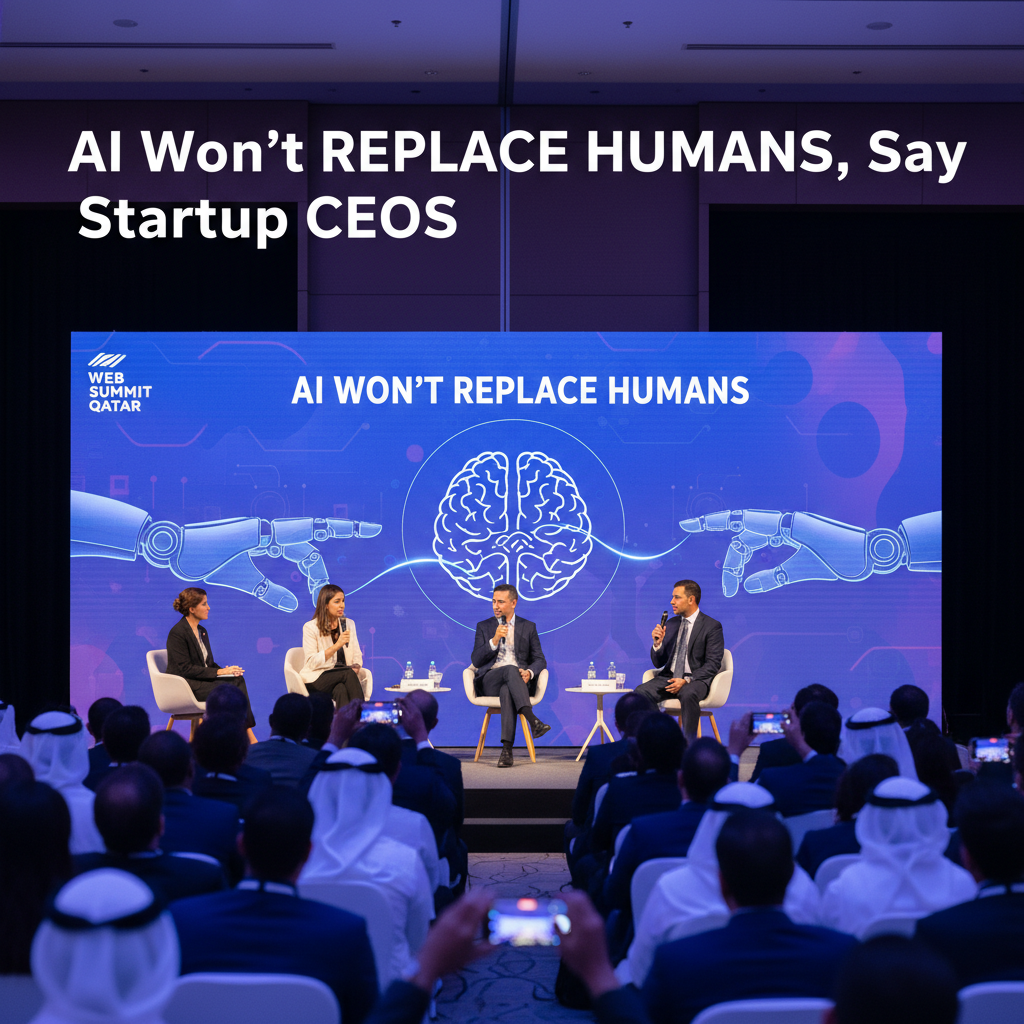
The hum of the server room was a low thrum, barely audible over the chatter at Web Summit Qatar. It was February 19, 2026, and the air crackled with the usual mix of ambition and anxiety that defines these events. The focus, as always, was on the future — specifically, how artificial intelligence would shape it.
But not everyone was buying the narrative of mass displacement. The CEOs of Read AI and Lucidya, two startups making waves in the AI space, offered a different take. Their argument, presented at the conference, was that AI tools would replace tasks, not entire workforces. This subtle but crucial distinction could reshape how companies and workers adapt to the coming changes.
“We’re seeing AI as an augmentation tool,” said a spokesperson from Lucidya, paraphrasing the CEO’s comments. “It’s about making people more efficient, not obsolete.” It’s a sentiment that, at least in the halls of this particular summit, seemed to be gaining traction.
The details, of course, are where the story gets interesting. Read AI, for example, is developing tools designed to streamline meeting notes and summaries. Their pitch is simple: free up employees from tedious tasks so they can focus on higher-level thinking and strategy. This is a very different proposition than, say, a fully automated customer service system that handles all interactions without human input.
Meanwhile, the market is still processing these shifts. Analyst forecasts from the period show a wide range of predictions, but most agree on one thing: significant disruption is coming. JP Morgan, in a report released in late 2025, estimated that up to 30% of certain job functions could be automated in the next five years. That’s a sobering figure, even if it doesn’t equate to widespread job losses.
The key, as these CEOs see it, is the nature of the transition. It’s not about replacing humans; it’s about giving them better tools. And maybe, in the long run, that’s a more sustainable approach. It allows companies to leverage the power of AI without the social and economic upheaval of mass layoffs. The goal is to make these tools a force multiplier, not a replacement.
The conversation continues.