CloudTalk

Tag: Cloud Computing

  • Google Cloud’s Bold Bet on AI: What Businesses Need to Know

    Google Cloud is making some serious waves, and if you’re running a business, you’ll want to pay attention. Recent announcements reveal a strong focus on artificial intelligence, data analytics, and specialized computing. It’s a shift that could dramatically change how companies operate, innovate, and compete.

    The AI Revolution Rolls On

    Let’s be honest, AI is no longer a buzzword; it’s the engine driving the future. Google Cloud is doubling down on this trend. The launch of Ironwood, its seventh-generation Tensor Processing Unit (TPU), is a game-changer. Ironwood boasts five times more compute capacity and six times the high-bandwidth memory of its predecessor. Think of it as the high-performance engine that will power the next generation of generative AI.

    But it’s not just about hardware. Google is expanding its generative media capabilities with Vertex AI, including Lyria, a text-to-music model. Plus, they’ve enhanced Veo 2 and Chirp 3. This gives developers a powerful toolkit for creating innovative content across various formats. Imagine the possibilities for marketing, training, and product development!

    Workspace Gets an AI Makeover

    The integration of Gemini into Workspace is another key development. New AI tools in Docs, Sheets, Chat, and other applications are designed to boost productivity and streamline workflows. Essentially, Google is making AI more accessible, equipping everyday users with powerful tools to enhance their daily work lives.

    Security, Connectivity, and Data Analytics: The Foundation

    Google is also emphasizing security with Google Unified Security. It merges threat intelligence, security operations, cloud security, and secure enterprise browsing into a single AI-powered solution. In today’s world, robust security is non-negotiable, and Google is stepping up its game in a big way.

    Beyond this, they’re rolling out Cloud WAN, delivering high-speed, low-latency network connectivity globally. Plus, BigQuery is evolving to meet the demands of the AI-driven era. This includes advancements to the BigQuery autonomous data-to-AI platform and the Looker conversational BI platform.

    What Does This Mean for You?

    The strategic implications are clear: enhanced AI capabilities translate into improved productivity, innovation, and new business opportunities. Investing in Google Cloud’s advancements can help businesses gain a competitive edge. The Agent2Agent (A2A) protocol is a major step towards interoperability. Businesses should explore how these technologies can meet their evolving needs. The Google Cloud Marketplace provides a valuable resource for discovering and implementing partner-built solutions.

    .
  • Tata Steel & Google Cloud: Digital Transformation for Steel Success

    Tata Steel Forges Ahead: A Digital Revolution in Steelmaking

    In an era demanding both sustainability and efficiency, Tata Steel is undergoing a significant transformation, setting a new standard for the global steel industry. Partnering with Google Cloud, the company is leveraging the power of data and digital technologies to optimize operations, reduce downtime, and pave the way for a more sustainable future. This initiative promises to reshape the way steel is made, offering a compelling case study for other heavy industries.

    Why Digital Transformation Matters in Steel

    The steel industry is facing unprecedented pressure. Demand for high-performance, innovative steels is rising, while the need to minimize environmental impact and streamline production processes is more critical than ever. Consider the use of thermally sprayed components, for instance. These components enhance performance but often present complex maintenance challenges. Identifying and addressing potential issues quickly is key. This is where the power of data analytics comes into play.

    “We recognized early on that digital transformation was not just an option, but a necessity for our future competitiveness,” says a Tata Steel spokesperson. “Our collaboration with Google Cloud is enabling us to unlock unprecedented insights into our operations.”

    Data-Driven Insights: The Engine of Change

    At the heart of Tata Steel’s initiative lies a focus on predictive maintenance. Imagine a network of sensors and IoT devices constantly feeding real-time data into the cloud. This data, encompassing factors like temperature, vibration, and energy consumption, is analyzed using advanced machine learning algorithms. This allows Tata Steel to anticipate equipment failures before they occur.

    The early results are promising. Tata Steel has already achieved a 15% reduction in unplanned outages across several key facilities. Furthermore, by using Google Cloud’s machine learning capabilities, the company is optimizing production schedules and resource allocation, resulting in an estimated 5% increase in overall efficiency.

    Concrete Examples: Transforming Steelmaking Processes

    This digital transformation extends beyond predictive maintenance. For example:

    • Blast Furnace Optimization: Real-time monitoring and analysis of blast furnace data allows for adjustments to the process, improving efficiency and reducing emissions.
    • Quality Control: Machine learning algorithms analyze data from various stages of production to identify and address quality issues proactively.
    • Energy Management: Data-driven insights help optimize energy consumption across the plant, contributing to significant cost savings and reduced environmental footprint.

    Sustainability at the Forefront

    Sustainability is a core tenet of Tata Steel’s strategy. By leveraging data-driven insights, the company is actively working to minimize its environmental impact. This includes reducing energy waste, optimizing resource utilization, and lowering emissions. The integration of cloud-based dashboards provides real-time alerts on potential issues, integrating seamlessly with existing systems. This approach is crucial for compliance with increasingly stringent environmental regulations.

    What This Means for the Industry

    Industry experts are closely monitoring Tata Steel’s progress, viewing it as a potential blueprint for other heavy industries. The ability to anticipate and prevent equipment failures translates directly into increased production, reduced costs, and improved safety. The use of a hybrid deep learning model, for example, could soon allow for real-time slag flow monitoring, further improving process efficiency.

    “Tata Steel’s approach highlights the transformative potential of cloud-based technologies in the industrial sector,” says [Quote from Google Cloud representative], “[their] commitment to innovation and sustainability is truly inspiring.”

    The Bottom Line

    While challenges such as data security and integration costs remain, Tata Steel’s unwavering focus on data-driven insights, predictive maintenance, and sustainable practices has positioned them for continued success. By embracing digital transformation, Tata Steel is not just improving its own operations; it is setting a new standard for the future of steelmaking, proving that efficiency, sustainability, and innovation can go hand in hand. This is a smart move, and one that other companies would be wise to emulate.

  • ADK Hackathon: Google Cloud’s AI Innovation & Multi-Agent Systems

    ADK Hackathon: Google Cloud’s AI Innovation & Multi-Agent Systems

    ADK Hackathon: Driving the Future of Multi-agent Systems

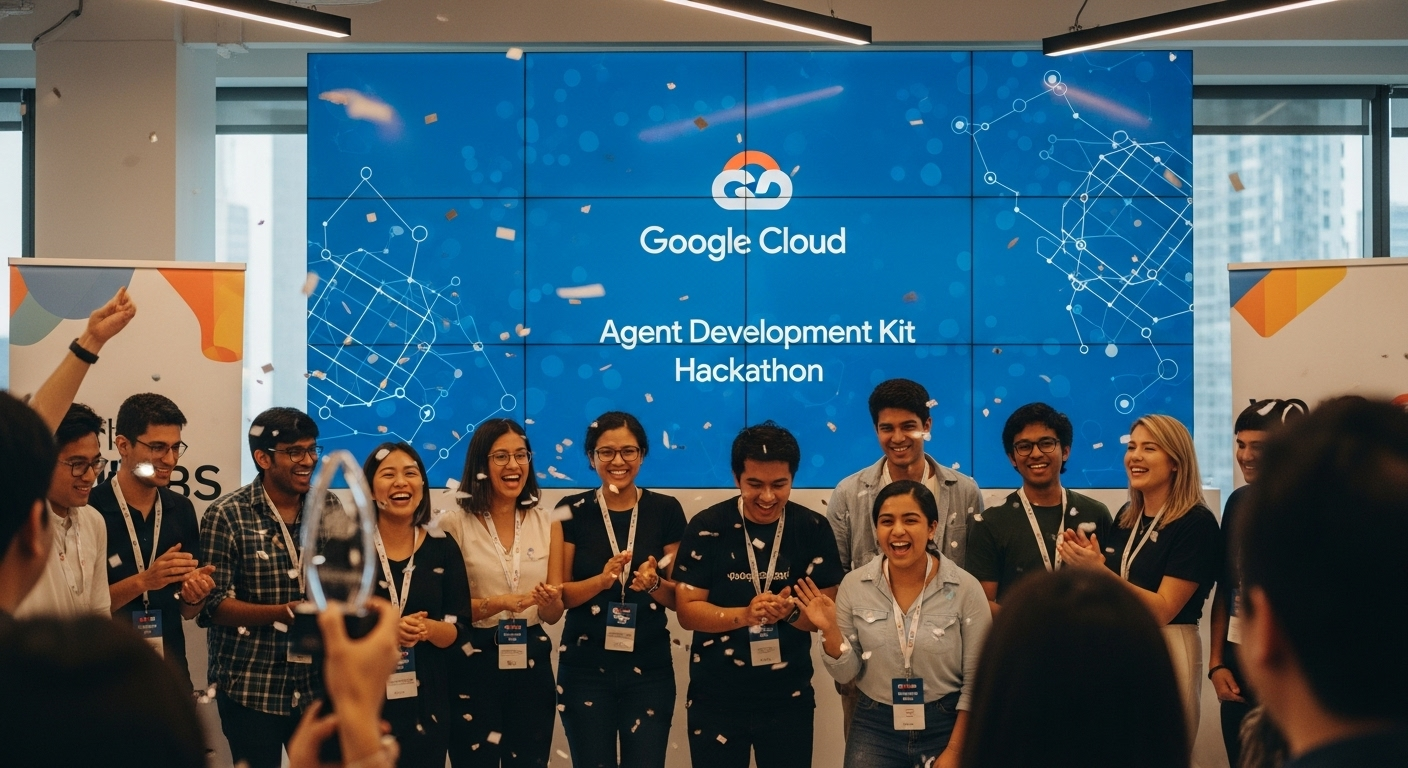
    The Agent Development Kit (ADK) Hackathon, powered by Google Cloud, was more than just a coding competition; it was a powerful demonstration of the potential of multi-agent systems and collaborative AI. With over 10,000 developers participating worldwide, the event showcased innovative applications of these technologies, offering a glimpse into the future. Having witnessed the evolution of the tech landscape over many years, I was genuinely impressed by the achievements of this hackathon.

    Hackathons: Catalysts for Innovation and Skill Development

    Hackathons, such as this ADK event, are becoming increasingly vital for fostering innovation and developing essential skills. They provide a dynamic environment for developers to explore cutting-edge technologies and push the boundaries of what’s possible. These events are not just for students; they are valuable for professionals at all stages of their careers. A study highlighting the benefits of hackathons on software engineering students’ motivation reinforces this point. While the full citation is pending, the firsthand experience of witnessing the energy and enthusiasm at the ADK Hackathon confirms the potential of such hands-on experiences to accelerate learning and drive innovation.

    Key Findings and Winning Solutions in Multi-Agent Systems

    The primary goal of the ADK Hackathon was to build multi-agent AI systems using the ADK and Google Cloud. These systems, which involve multiple AI agents working collaboratively, represent a significant shift in how we approach complex problem-solving. The results of the hackathon were truly impressive, with the judges particularly impressed by the creativity and technical skill on display. Here’s a look at the winning solutions:

    • Grand Prize: SalesShortcut, an AI-powered Sales Development Representative. This system leverages multi-agent collaboration to automate lead generation and sales outreach, streamlining the sales process and improving efficiency.
    • Regional Winners:
      • Nexora-AI (EMEA): This system focused on optimizing supply chains through collaborative AI, demonstrating the power of multi-agent systems in logistics.
      • Edu.AI (Latin America): This solution used AI agents to personalize learning experiences, showcasing the potential of multi-agent systems in education.
      • Energy Agent AI (North America): This system tackled energy management, using AI to optimize energy consumption and promote sustainability.
      • GreenOps (APAC): Focused on automating and optimizing IT operations with AI agents.

    These diverse applications highlight the broad applicability of multi-agent AI, from sales automation to energy management, and demonstrate the transformative potential of these technologies across various sectors.

    The Business Impact of Multi-agent Systems

    The ADK Hackathon underscores the growing importance of multi-agent systems for businesses. Consider SalesShortcut as a prime example. This innovative solution showcases how AI can revolutionize sales processes and lead generation. The success of projects like SalesShortcut demonstrates the power of these tools to drive efficiency and create new opportunities. The use of these systems will only continue to grow in the future, helping businesses transform their work.

    Strategic Implications for Google Cloud and the Future of AI

    From a strategic perspective, the ADK Hackathon is significant for Google Cloud. By fostering innovation and cultivating a strong developer community, Google Cloud strengthens its position as a leader in AI. The success of projects like SalesShortcut provides a roadmap for future innovation. The insights gained and the community developed through hackathons will continue to shape the future of AI, helping build innovative solutions.

    In a world of constant change, hackathons like this ADK event are critical. They provide a vital platform for learning, collaboration, and the development of the next generation of intelligent systems. It’s a space where developers come together to shape the future, and that, to me, is always worth observing. By pushing the boundaries of multi-agent systems and fostering collaboration, this hackathon has set a new standard for AI innovation.