CloudTalk

Tag: cloud

  • Meta Faces Content Takedown Challenges in India

    Meta Faces Content Takedown Challenges in India

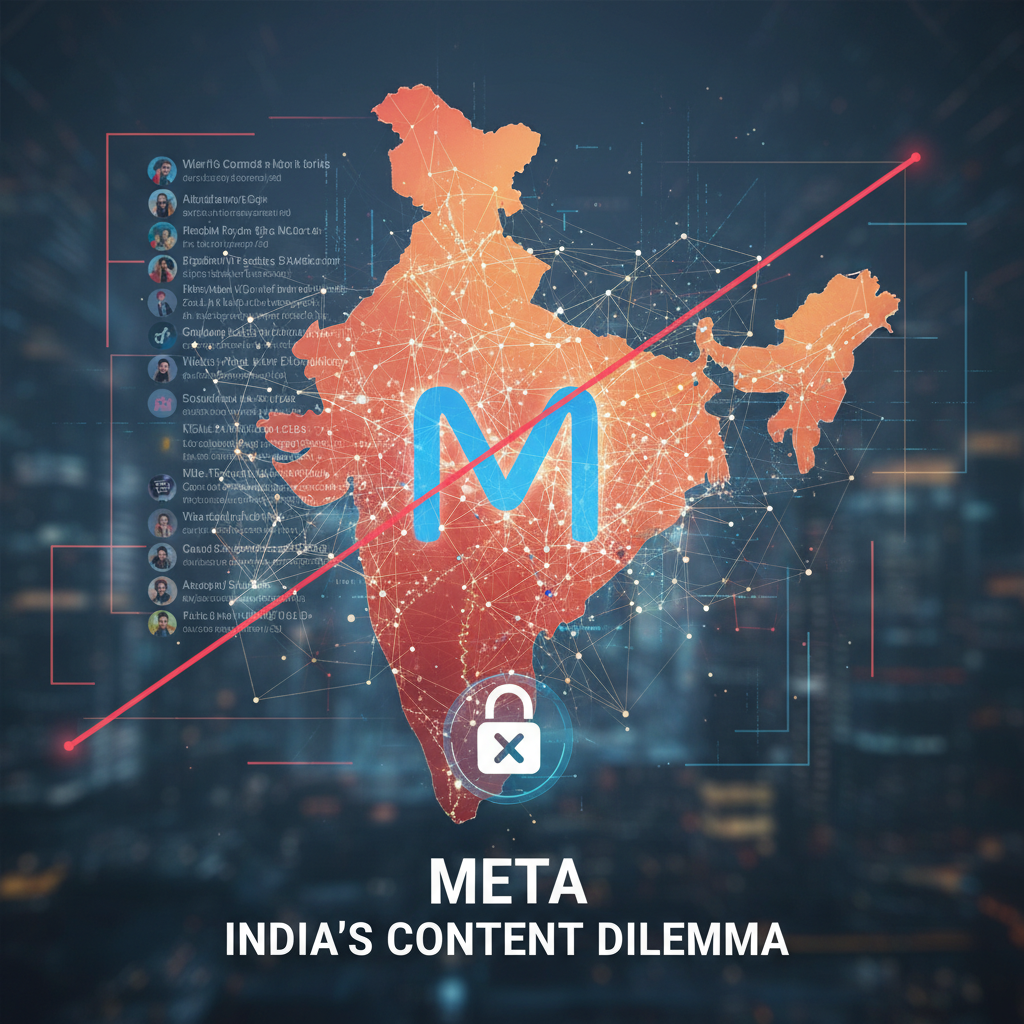
    The news hit the wires, and immediately, it felt like a tightening of the screws — Meta, grappling with India’s new content takedown rules. Three hours. That’s the window. A blink, really, in the world of global content moderation. The implications, as the analysts began to parse them, felt significant.

    It’s not just about the speed; it’s the operational pressure that comes with it, according to the company. The compressed timelines, as Meta stated, add to an already complex environment. Compliance windows are getting shorter, especially considering the rapid spread of AI-driven content. The Indian government’s push to curb these harms has put tech giants like Meta in a tough spot.

    The immediate effect? Increased operational costs, certainly. More staff, more automation, more everything to meet these demands. And then there’s the potential for errors. The pressure to act quickly, to remove content within that three-hour window, increases the risk of mistakes. A misstep, and suddenly, Meta is facing fines, reputational damage, or worse. The details are still emerging, but the market’s reaction — a slight dip in the stock price — spoke volumes.

    One expert, speaking from the Brookings India Center, noted the potential for this to become a global trend, that’s what’s worrying the industry. “India is often a testing ground,” the analyst said. “What happens here, how these regulations evolve, could very well influence other nations.”

    The three-hour rule isn’t just about speed; it’s about shifting responsibilities. Meta, like other tech platforms, is now more directly responsible for policing content. Or maybe that’s just how it looks right now. The government is essentially saying, “You host it, you manage it.” And that changes the entire game.

    Privacy compliance is another layer, another headache. The shorter windows mean less time to assess the legality of content, to weigh the privacy implications. It’s a delicate balance, and the margin for error is shrinking. The atmosphere in the room, where the news broke, felt tense. Still does, in a way.

    The numbers themselves tell a story. Meta’s advertising revenue in India, for example, which hit approximately $2 billion last year, is now at risk. The increased regulatory burden, the potential for fines, all contribute to financial uncertainty. And that uncertainty is something the market hates.

    The shift also impacts AI. As AI-generated content becomes more prevalent, the challenge of detecting and removing harmful material within that three-hour window grows exponentially. It’s a race against the clock, a constant game of catch-up. The room was quiet, except for the tapping of keyboards.

    The conclusion, though still forming, seems clear: Meta faces significant hurdles. The three-hour rule is just one piece of the puzzle, but it’s a crucial one. It’s a sign of the times, a reflection of the evolving relationship between tech companies and governments. And the costs, both financial and operational, are adding up.


  • Treasury Wines Reports Net Loss Amid Revenue Miss

    Treasury Wines Reports Net Loss Amid Revenue Miss

    The numbers, they say, don’t lie – but sometimes, they’re a bit of a story in themselves. Treasury Wines Estates Ltd., the Australian vintner, recently released its first-half earnings, and the initial reaction was… well, not great. Revenue missed expectations, and the balance sheet reflected a net loss. The market’s response was swift; the numbers, as they say, don’t lie – but sometimes, they’re a bit of a story in themselves.

    The report, released in late 2024, pointed to a few key culprits. US supply chain difficulties played a role, but the more significant drag came from adverse consumer trends in China. This isn’t just about a drop in sales; it’s about shifting tastes, economic headwinds, and perhaps, a bit of geopolitical tension swirling around the luxury wine market. The details were laid out, the specifics of the situation clear enough.

    Analysts, of course, were quick to weigh in. “The challenges in China are particularly noteworthy,” said a market analyst at a major financial firm, “as the region has been a key growth driver for luxury wines.” And that’s the crux of it, isn’t it? The reliance on a single market, the vulnerability to external forces – these are lessons that seem to repeat themselves, in different sectors, across different years.

    There’s a certain feeling in the air when these reports come out. Muted chatter on the conference calls, analysts tapping through spreadsheets, and the quiet hum of the trading floor cooling down. It’s a collective taking stock, a moment of assessing where things stand, and what might be coming next.

    The company, as per the report, had been working to navigate these headwinds. The focus, as always, is on mitigating risks, finding new markets, and adapting to changing consumer behavior. It’s a constant dance.

    Or maybe it’s just the way things look for the moment. The situation in China, for example, is fluid, and the consumer trends could shift again. The supply chain issues, too, are subject to change. It’s a complex picture, and one that requires constant monitoring and adjustment.

    Ultimately, the story of Treasury Wines’ recent earnings is a microcosm of the larger market. It’s a reminder that even the most established players are subject to the forces of change. The numbers, though, provide the clearest view.

  • Aditya Birla Group & JOE & THE JUICE Partner for India Launch

    Aditya Birla Group & JOE & THE JUICE Partner for India Launch

    The news arrived during a quiet patch in the markets, the kind where the air feels thick with anticipation, and everyone’s watching the screens. Aditya Birla New Age Hospitality (ABNAH) announced a partnership with JOE & THE JUICE, the international café brand. The plan? To open the first Indian store in 2026. A move that, on paper, looks like a savvy play for the food services sector.

    It’s a bold step, especially considering the current economic climate. Inflation figures, though showing signs of cooling, still cast a long shadow. Consumer spending, while resilient, is showing cracks. The Aditya Birla Group, with its deep pockets, seems to be betting on the long game. Their existing portfolio includes brands like Hakkasan and Yauatcha, so they know the landscape.

    The details, as always, are what matter. The exact financial terms of the partnership weren’t immediately disclosed, but these deals are rarely simple. There are franchise fees, royalty agreements, and the not-so-small matter of real estate. Finding prime locations in a country as diverse as India is a challenge in itself. The market, in its current state, is not exactly predictable.

    “This is a calculated risk,” an analyst from a leading financial firm said, speaking on condition of anonymity. “The Aditya Birla Group has a reputation for strategic investments. They’re likely banking on the brand’s appeal to younger consumers. And the potential for expansion across the country is significant, or so it seems.”

    The opening in 2026 is the key, really. It gives ABNAH time to navigate the regulatory landscape and build a solid foundation. Or maybe to adjust plans, if needed. The food and beverage sector in India is highly competitive. Several international brands have already made their mark, and the local players are formidable.

    The initial reaction in the market was muted, nothing dramatic. No major sell-offs, no sudden spikes. More of a wait-and-see attitude, the kind that often precedes a significant shift. The next few quarters will reveal much.

    The deal, and the timing of it, is a gamble. But in the world of business, what isn’t?

  • Runpod’s $120M ARR: From Reddit Post to AI Cloud Success

    Runpod’s $120M ARR: From Reddit Post to AI Cloud Success

    From Reddit to $120M ARR: The Runpod AI Cloud Success Story

    The tech world is littered with tales of overnight success, but the story of Runpod, an AI cloud startup, offers a refreshing perspective. It’s a testament to the power of a solid product, a bit of luck, and a well-timed Reddit post. Runpod’s journey is a compelling example of how a startup can achieve remarkable growth in a competitive market.

    The Genesis: A Reddit Post and a Vision

    It all began with an idea, a vision to build something valuable, and the courage to share it with the world. While the exact details of the initial Reddit post aren’t provided, its impact is undeniable. This simple act of online sharing became the catalyst for Runpod’s journey. The post likely showcased an innovative solution to a pressing problem in the AI cloud space, capturing the attention of early adopters and setting the stage for future growth.

    The

  • Runpod’s $120M ARR: From Reddit Post to AI Cloud Success

    Runpod’s $120M ARR: From Reddit Post to AI Cloud Success

    From Reddit to $120M ARR: The Runpod AI Cloud Startup Success Story

    The tech world is full of tales of overnight success, but few are as intriguing as that of Runpod, an AI cloud startup that has reached a staggering $120 million in Annual Recurring Revenue (ARR). What makes this story particularly captivating? It all began with a simple Reddit post. This article delves into Runpod’s remarkable journey, examining the key factors that propelled them from a humble online presence to a major player in the competitive AI cloud market.

    The Genesis: A Reddit Post and the Power of Timing

    The story of Runpod is a testament to the power of a solid idea, well-executed, and perfectly timed. While the exact details of the initial Reddit post remain a part of their origin story, the core message was clear: Runpod offered a unique solution for AI cloud computing. This early move was a calculated risk that paid off handsomely. The founders recognized a growing need in the market and capitalized on it with impressive speed and efficiency. The timing was crucial, as the AI boom was just beginning to gather momentum, creating a surge in demand for accessible and affordable cloud computing resources.

    Building It Well: The Runpod Approach

    Runpod’s success wasn’t solely dependent on luck; it was also the result of a well-crafted product and a strategic approach. The company focused on providing a user-friendly platform that catered to the needs of AI developers and researchers. This meant offering competitive pricing, robust infrastructure, and a commitment to customer support. By building a platform that was both powerful and accessible, Runpod managed to attract a wide range of users, from individual developers to large enterprises.

    The company’s ability to adapt and innovate also played a significant role. As the AI landscape evolved, Runpod consistently updated its offerings to meet the changing needs of its users. This included adding new features, optimizing performance, and expanding its infrastructure. This proactive approach helped Runpod maintain its competitive edge and solidify its position in the market.

    Key Factors in Runpod’s Rapid Growth

    Several factors contributed to Runpod’s rapid ascent. First, the growing demand for AI cloud computing services created a favorable market environment. Second, Runpod’s focus on user experience and affordability made it an attractive option for a wide range of users. Third, the company’s ability to adapt and innovate ensured that it remained competitive in a rapidly evolving market.

    Furthermore, Runpod’s early embrace of the Reddit community proved to be a smart move. By engaging with potential users on the platform, Runpod was able to gather valuable feedback and build a loyal following. This early engagement helped the company refine its product and build a strong brand identity.

    The Future of Runpod and the AI Cloud Market

    Runpod’s story is an inspiring example of how a well-executed idea can achieve remarkable success. As the AI cloud market continues to grow, Runpod is well-positioned to remain a major player. The company’s commitment to innovation, user experience, and affordability will likely be key to its continued growth and success. Runpod’s journey is a valuable case study for other startups, demonstrating the importance of building a solid product, understanding the market, and capitalizing on opportunities when they arise.

    In conclusion, Runpod’s journey from a Reddit post to a $120 million ARR company is a testament to the power of innovation, strategic execution, and a bit of good timing. The company’s story serves as an inspiration for aspiring entrepreneurs and a reminder that even the most ambitious goals can be achieved with dedication and a clear vision. Runpod’s success underscores the dynamic nature of the tech industry, where innovative ideas and effective execution can lead to rapid growth and market dominance.

  • AWS Backup Now Supports EKS: Simplified Kubernetes Backups

    AWS Backup Now Supports EKS: Simplified Kubernetes Backups

    So, AWS Backup now plays nice with Amazon EKS. It’s a pretty big deal, actually. For anyone running Kubernetes clusters on AWS, this new support offers a simpler way to handle backups and restores. No more wrestling with custom scripts or third-party tools.

    It kind of feels like AWS is saying, “We got you.” And you know, in the world of cloud computing, that’s a welcome message. The whole idea is to make things easier, right? To let you focus on what matters – your applications, your users, your business – instead of getting bogged down in the nitty-gritty of data protection.

    The core of the announcement is that AWS Backup now provides a fully managed, centralized solution. Centralized is key here. It means you can manage backups for your EKS clusters alongside all your other AWS resources from a single place. That alone is a win for anyone who’s ever had to jump between different consoles or systems.

    And it’s not just about the convenience. Think about the security implications. Having a reliable backup and restore strategy is fundamental for any production system, especially when dealing with something as complex as Kubernetes. If something goes wrong – a configuration error, a security breach, whatever – you need a way to get back on your feet quickly. AWS Backup is designed to help you do just that.

    Notably, the press release highlighted the ease of use. You don’t need to be a Kubernetes expert to back up and restore your clusters. You can use the same familiar AWS Backup console and APIs you’re already using for other services. That’s always a plus. Lowering the barrier to entry means more people can take advantage of these essential security practices.

    It’s worth mentioning that the support covers both the cluster itself and the application data running inside it. So, you’re not just backing up the control plane; you’re protecting everything that makes your applications tick. That’s comprehensive.

    Earlier, managing EKS backups often involved stitching together various tools and scripts. This new integration streamlines the process, making it more efficient and less prone to errors. It’s a move that should make life easier for DevOps teams and anyone responsible for maintaining the health and security of their EKS environments.

    In a way, this is just another piece of the puzzle. AWS is constantly adding new features and services to make the cloud a safer, more manageable place. This new support for Amazon EKS in AWS Backup is a good example of that ongoing effort. It reflects a shift towards providing more integrated, user-friendly solutions, which is a trend I think we’ll continue to see.

    For now, it seems like a solid step forward, simplifying a critical aspect of cloud operations. And that’s always something to appreciate.

  • Alphabet Hits $100B Revenue, Cloud Services Soar

    Alphabet Tops $100 Billion Quarterly Revenue Milestone

    In a landmark achievement, Alphabet, the parent company of Google, announced its third-quarter earnings on Wednesday, revealing a financial performance that has set a new benchmark. The tech giant reported quarterly revenue exceeding $100 billion for the first time, signaling robust growth across its diverse portfolio.

    Key Financial Highlights

    The stellar financial results underscore Alphabet’s continued dominance in the technology sector. The company’s performance reflects strategic investments and effective management across its various business segments. A significant driver of this growth was the remarkable expansion of Alphabet’s cloud services.

    Cloud Services: A Growth Engine

    One of the most notable aspects of the earnings report was the impressive 34% growth in Alphabet’s cloud division. This surge highlights the increasing demand for cloud-based solutions and Alphabet’s strong position in this competitive market. The cloud’s robust performance is a testament to the company’s investments in infrastructure, technology, and strategic partnerships.

    Strategic Implications and Future Outlook

    The financial success of Alphabet has broad implications for the tech industry and the overall economy. The company’s ability to achieve such revenue figures demonstrates its adaptability and resilience in a dynamic market. As Alphabet continues to invest in innovation and expand its cloud offerings, it is well-positioned for sustained growth and leadership in the years to come.

    Source: CNBC

  • AWS RTB Fabric: Revolutionizing Real-Time Advertising for AdTech

    AWS RTB Fabric: Revolutionizing Real-Time Advertising for AdTech

    AWS RTB Fabric: A New Era for Real-Time Advertising

    In the fast-paced world of digital advertising, speed and efficiency are paramount. To address these needs, AWS has introduced AWS RTB Fabric, a fully managed service designed to revolutionize real-time bidding (RTB) advertising workloads. This innovative solution offers AdTech companies a dedicated, high-performance network environment, promising significant improvements in performance and cost savings.

    What is AWS RTB Fabric?

    AWS RTB Fabric is a specialized service built to streamline and optimize the complex processes involved in real-time bidding. What it does is provide a dedicated network environment that allows AdTech companies to connect seamlessly with their supply partners and demand partners. This environment is engineered to deliver exceptional performance, ensuring that every bid request and response is handled with minimal latency.

    What makes AWS RTB Fabric stand out is its focus on performance. It aims to achieve single-digit millisecond performance, a crucial factor in the competitive landscape of RTB. This speed advantage allows AdTech companies to make quicker decisions, ultimately leading to better outcomes in their advertising campaigns.

    How AWS RTB Fabric Works

    How does AWS RTB Fabric achieve such impressive results? The service works by providing a dedicated, high-performance network environment. This environment is specifically designed to handle the demanding requirements of RTB workloads. By connecting with supply partners and demand partners through this dedicated network, AdTech companies can experience significantly reduced latency and improved overall performance.

    This streamlined approach eliminates the need for colocation infrastructure or upfront commitments. This reduction in complexity allows businesses to focus on their core competencies: developing compelling advertising campaigns and optimizing their strategies.

    The Benefits: Why Choose AWS RTB Fabric?

    Why should AdTech companies consider adopting AWS RTB Fabric? The answer lies in the multitude of benefits it offers. The primary advantages include:

    • Enhanced Performance: Single-digit millisecond performance ensures rapid processing of bid requests and responses.
    • Cost Savings: Up to 80% lower networking costs compared to standard cloud connections.
    • Simplified Infrastructure: Eliminates the need for colocation infrastructure and upfront commitments.
    • Focus on Innovation: Allows AdTech companies to concentrate on developing innovative advertising strategies.

    Why these benefits matter is because they directly translate to a competitive edge in the advertising market. Lower costs allow for increased investment in other areas, while faster performance leads to improved campaign effectiveness. By eliminating the complexities of managing infrastructure, AWS RTB Fabric empowers AdTech companies to focus on what matters most: delivering impactful advertising experiences.

    Key Features and Capabilities

    AWS RTB Fabric comes equipped with several key features designed to optimize RTB workloads. These include:

    • High-Performance Networking: A dedicated network environment optimized for low latency.
    • Fully Managed Service: AWS handles the underlying infrastructure, reducing operational overhead.
    • Scalability: Designed to handle the fluctuating demands of real-time bidding.
    • Security: Robust security features to protect data and ensure compliance.

    Who Can Benefit from AWS RTB Fabric?

    Who stands to benefit from AWS RTB Fabric? The primary beneficiaries are AdTech companies of all sizes. Supply partners and demand partners will also experience improvements as a result of the enhanced performance and efficiency of the platform. This service is particularly well-suited for companies that:

    • Engage in high-volume RTB transactions.
    • Require low-latency performance.
    • Seek to reduce networking costs.
    • Want to simplify their infrastructure management.

    Conclusion

    AWS RTB Fabric represents a significant advancement in the realm of real-time advertising technology. By providing a high-performance, cost-effective, and fully managed solution, AWS is empowering AdTech companies to thrive in an increasingly competitive market. The focus on speed, efficiency, and simplified infrastructure makes AWS RTB Fabric a compelling choice for businesses looking to optimize their RTB workloads and achieve better results.

    As the digital advertising landscape continues to evolve, AWS is committed to providing innovative solutions that meet the changing needs of its customers. AWS RTB Fabric is a testament to this commitment, offering a powerful tool for driving success in the world of real-time bidding.

    Sources:

  • Cloud Uptime: What You Need to Know

    Cloud Uptime: What You Need to Know

    Cloud uptime refers to the amount of time a cloud service is operational and accessible without interruption. It is a critical metric for businesses relying on cloud platforms for hosting websites, applications, or data services. High uptime ensures continuous availability, minimizes disruptions, and builds trust with users and customers.

    Cloud service providers like AWS, Azure, and Google Cloud typically guarantee a certain level of uptime through Service Level Agreements (SLAs), often aiming for 99.9% to 99.999% uptime. For context, 99.9% uptime allows for about 8.76 hours of downtime per year, while 99.999% (also known as “five nines”) translates to just 5.26 minutes annually.

    Several factors influence cloud uptime, including data center redundancy, automated failover mechanisms, load balancing, and infrastructure monitoring. Providers invest heavily in these areas to ensure minimal downtime even during maintenance or unexpected failures.

    For businesses, cloud uptime directly affects customer experience, revenue, and brand reputation. Even a few minutes of unplanned downtime can lead to lost sales or productivity, especially for e-commerce, financial services, or healthcare platforms.

    To enhance uptime, organizations should adopt strategies like using multiple availability zones, implementing robust backup and disaster recovery plans, and continuously monitoring their cloud environments.

    In summary, cloud uptime is more than a technical stat—it’s a measure of trust and reliability. Understanding and planning around it is essential for maintaining operational continuity in a digital-first world.

  • Cloud Governance: What You Need to Know

    Cloud Governance: What You Need to Know

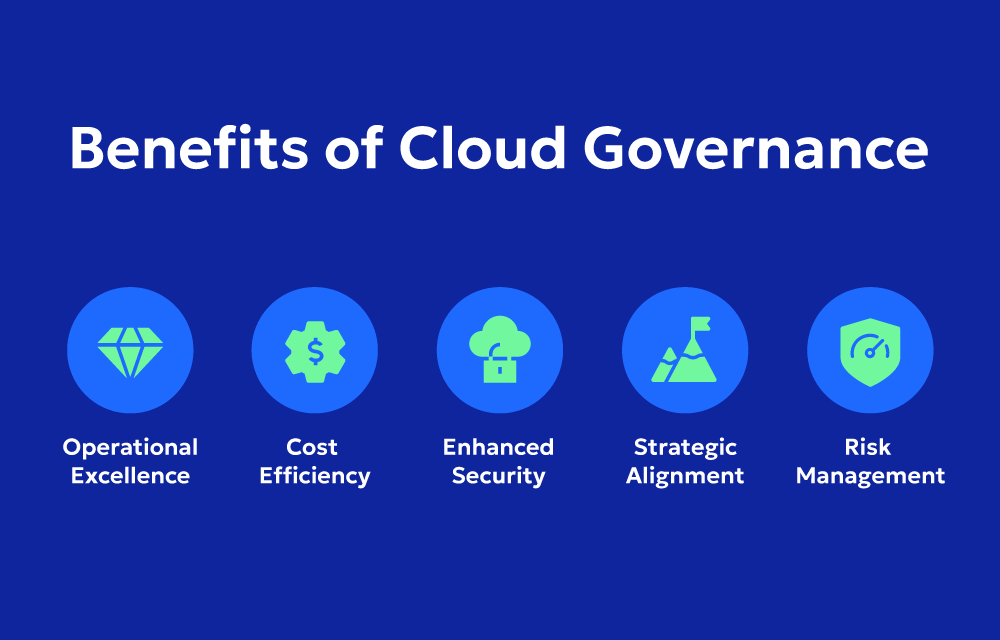
    Cloud governance is the framework of policies, roles, responsibilities, and processes that guide how an organization manages its cloud resources. It ensures that cloud usage aligns with business goals while maintaining control over security, costs, and compliance.

    As organizations scale in the cloud, governance becomes essential to avoid risks such as resource sprawl, overspending, or data breaches. A solid cloud governance strategy helps standardize operations, enforce best practices, and ensure accountability.

    Key areas of cloud governance include:

    • Cost Management: Monitoring usage, budgets, and preventing overspending

    • Security & Access Control: Defining who can access what, and how

    • Compliance: Meeting industry and legal standards (e.g., GDPR, HIPAA)

    • Resource Management: Enforcing naming conventions, tagging, and lifecycle policies

    • Policy Enforcement: Automating rules to manage configurations and risks

    Cloud providers like AWS, Azure, and Google Cloud offer built-in governance tools such as AWS Organizations, Azure Policy, and Google Cloud Resource Manager.

    Strong cloud governance supports agility without sacrificing control. It helps IT teams empower developers while maintaining visibility and enforcing guardrails.

    In a cloud-first world, governance isn’t about restriction—it’s about responsible growth.