CloudTalk

Tag: cloud

  • Cloud Compliance: What You Need to Know

    Cloud Compliance: What You Need to Know

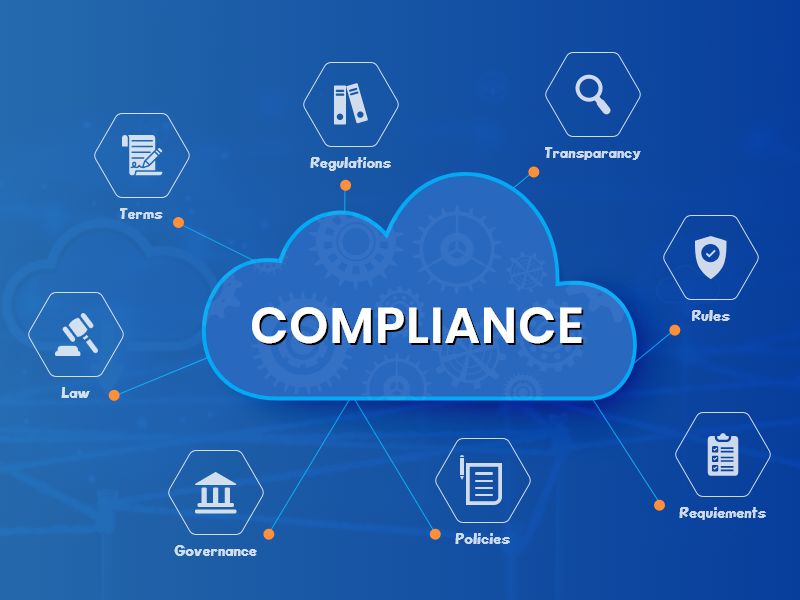
    Cloud compliance refers to the process of ensuring that cloud-based systems and data meet legal, regulatory, and industry standards. It’s essential for businesses handling sensitive data—like personal information, financial records, or health data.

    Common compliance standards include:

    • GDPR (General Data Protection Regulation) for data privacy in the EU

    • HIPAA for healthcare data in the U.S.

    • ISO 27001 for information security management

    • SOC 2 for service organization controls

    • PCI DSS for handling credit card information

    Cloud providers like AWS, Azure, and Google Cloud offer compliance-ready infrastructure, but it’s a shared responsibility. Providers manage the physical and infrastructure security, while businesses are responsible for data protection, access control, and proper configurations.

    Key cloud compliance practices include:

    • Data encryption (at rest and in transit)

    • Access control and identity management

    • Audit trails and logging

    • Regular risk assessments

    Non-compliance can lead to legal penalties, data breaches, and loss of customer trust.

    Cloud compliance is not just a checklist—it’s an ongoing commitment. Staying compliant ensures your cloud environment is secure, trustworthy, and aligned with industry expectations.

  • Cloud DevOps: What You Need to Know

    Cloud DevOps: What You Need to Know

    Cloud DevOps is the combination of DevOps practices and cloud computing to improve how applications are developed, tested, deployed, and managed. It enables faster software delivery, greater scalability, and improved collaboration between development and operations teams.

    In a cloud DevOps model, teams use cloud infrastructure and services to automate workflows, deploy code continuously, and monitor system health in real-time. This approach reduces manual tasks, shortens release cycles, and increases reliability.

    Key tools used in Cloud DevOps include:

    • CI/CD pipelines (Jenkins, GitHub Actions, GitLab CI)

    • Infrastructure as Code (IaC) (Terraform, AWS CloudFormation)

    • Containerization (Docker, Kubernetes)

    • Monitoring & Logging (Prometheus, Datadog, CloudWatch)

    Benefits of Cloud DevOps:

    • Speed: Rapid development and deployment.

    • Scalability: Automatically adjust resources to demand.

    • Resilience: Faster recovery and rollback options.

    • Efficiency: Reduce overhead with automation.

    Cloud platforms like AWS, Azure, and Google Cloud offer native DevOps services to streamline this process.

    In today’s fast-paced software world, Cloud DevOps is essential for delivering high-quality applications quickly and reliably. It empowers teams to innovate faster while maintaining stability and control.

  • Cloud Infrastructure: What You Need to Know

    Cloud Infrastructure: What You Need to Know

    Cloud infrastructure is the foundation of cloud computing. It includes the virtual resources—such as servers, storage, networking, and software—that are delivered over the internet to run applications and services.

    Instead of buying and maintaining physical hardware, businesses can use cloud infrastructure provided by platforms like Amazon Web Services (AWS), Microsoft Azure, or Google Cloud Platform (GCP). These providers offer flexible, scalable, and on-demand access to computing resources.

    Key components of cloud infrastructure include:

    • Compute: Virtual machines or containers that run applications.

    • Storage: Object, file, or block storage for data.

    • Networking: Virtual networks, load balancers, and firewalls.

    • Management tools: Dashboards, APIs, and automation tools.

    Cloud infrastructure can be deployed in different models:

    • Public Cloud: Shared resources hosted by third-party providers.

    • Private Cloud: Dedicated resources for a single organization.

    • Hybrid Cloud: A mix of public and private environments.

    Benefits include cost savings, scalability, disaster recovery, and faster deployment. However, success depends on proper planning, security, and performance management.

    Understanding cloud infrastructure is essential for building reliable, scalable, and modern IT environments—whether you’re launching a startup or managing enterprise systems.