Tag: cybersecurity

  • Vega Security Raises $120M to Revolutionize Cyber Threat Detection

    Vega Security Raises $120M to Revolutionize Cyber Threat Detection

    Vega Security Secures $120M Series B to Revolutionize Cyber Threat Detection

    In a significant boost to the cybersecurity landscape, Vega Security has announced the successful closure of its Series B funding round, raising an impressive $120 million. This financial injection, spearheaded by Accel, not only underscores the growing importance of robust cybersecurity measures but also highlights Vega Security’s innovative approach to tackling digital threats. The funding values the company at a substantial $700 million, positioning Vega Security as a key player in the industry.

    Rethinking Enterprise Cybersecurity

    Vega Security’s core mission is to fundamentally alter how enterprises perceive and manage cybersecurity. The company is focused on developing advanced solutions that proactively identify and neutralize threats, rather than relying on reactive measures. This proactive stance is crucial in today’s digital environment, where cyberattacks are becoming increasingly sophisticated and frequent. The investment will enable Vega Security to expand its research and development efforts, enhance its product offerings, and broaden its market reach.

    The funding news, released on February 10, 2026, marks a pivotal moment for Vega Security. It allows the company to accelerate its strategic initiatives and further solidify its position as a leader in cybersecurity innovation. The involvement of Accel, a well-respected venture capital firm, lends additional credibility to Vega Security’s vision and strategy. Accel’s investment is a vote of confidence in Vega Security’s ability to execute its vision and deliver tangible value to its customers.

    The Strategic Impact of the Investment

    The $120 million investment in Vega Security is more than just a financial transaction; it’s a strategic move that reflects the evolving needs of enterprises in the digital age. As businesses increasingly rely on digital infrastructure, the risk of cyberattacks continues to escalate. Vega Security’s commitment to rethinking cybersecurity threat detection is timely and critical. The company’s innovative approach aims to offer enterprises a more secure and resilient operational environment.

    With this new funding, Vega Security is well-positioned to drive innovation and provide cutting-edge solutions that protect businesses from evolving cyber threats. The company plans to utilize the funds to scale its operations, broaden its product portfolio, and enter new markets. This strategic expansion is designed to meet the growing demand for advanced cybersecurity solutions across various industries. Vega Security is focused on building a safer digital ecosystem for all.

    This investment signifies a strong belief in Vega Security’s potential to transform the cybersecurity landscape.

    Source: TechCrunch

  • Outtake Secures $40M Funding: AI Cybersecurity Soars

    Outtake Secures $40M Funding: AI Cybersecurity Soars

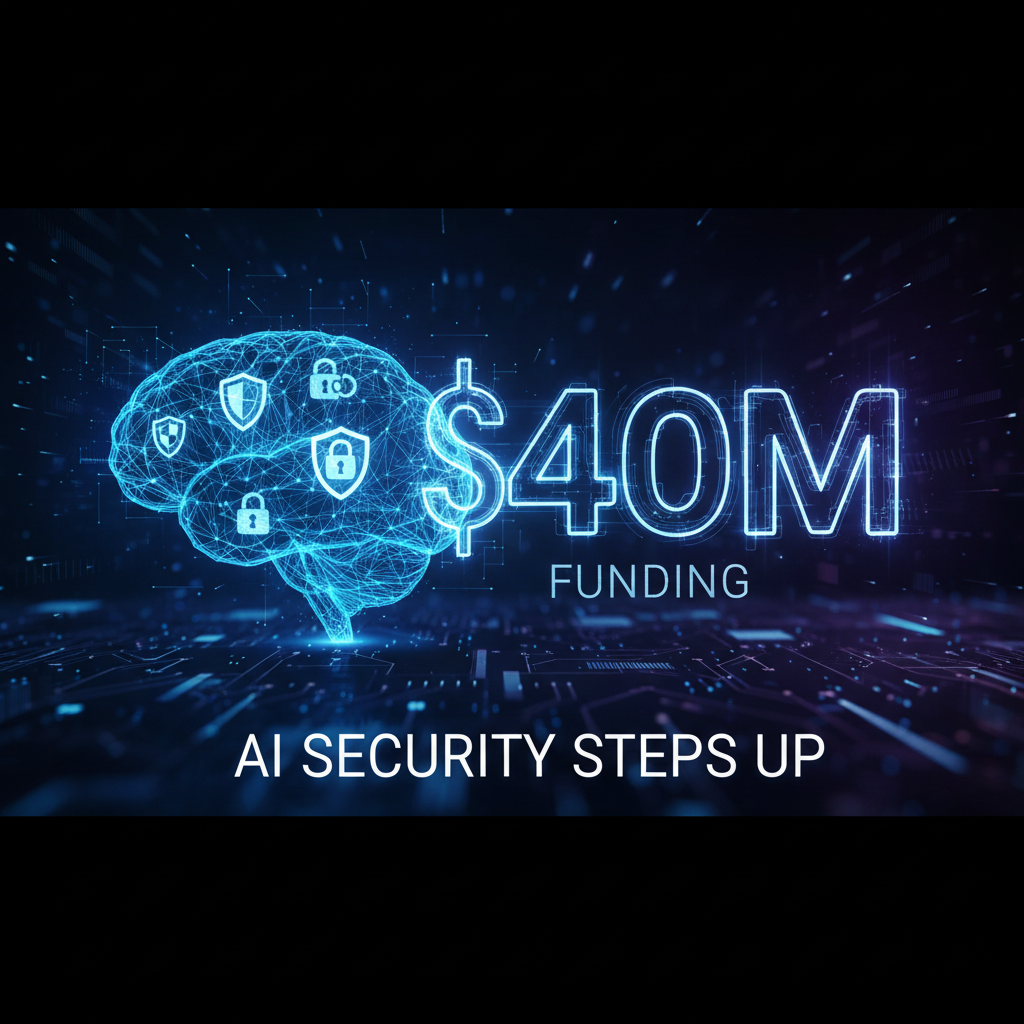
    The hum of the servers was almost a constant presence in the Outtake offices. It was late January, 2026, and the team was huddled around a screen, poring over the latest threat reports. The air, thick with the smell of coffee and focused energy, crackled with anticipation. News had just broken: Outtake, the AI security startup, had secured a hefty $40 million in funding. The round, led by Iconiq, included investment from Satya Nadella, Bill Ackman, and other prominent names. It was a clear signal of the growing importance of their agentic cybersecurity platform.

    Outtake’s core mission is to tackle identity fraud, a problem that’s only intensified with the rise of sophisticated AI-driven attacks. Their platform uses AI to detect and prevent fraudulent activities, protecting enterprises from financial losses and reputational damage. The platform, as per reports, is designed to learn and adapt to new threats in real-time. It’s built to evolve, not just react.

    “This investment validates our vision,” a company spokesperson said, “and allows us to scale our operations and accelerate product development.”

    But the funding wasn’t just about expansion. It was a bet on a future where AI is both the enabler and the target of cyberattacks. The company plans to use the funds to expand its engineering team, particularly in the areas of AI and machine learning. Outtake is also looking to bolster its sales and marketing efforts to reach a wider audience.

    Earlier today, an analyst from Forrester, during a briefing call, said that the cybersecurity market is expected to reach $300 billion by 2027. It’s a huge number, but with the constant barrage of digital threats, it’s not surprising. The firm’s projections show a significant uptick in demand for AI-driven security solutions.

    Meanwhile, the team at Outtake is focused on the next phase. The pressure to deliver is on, but the mood is one of quiet confidence. They’re working to refine their platform, making sure it can handle the ever-changing landscape of cyber threats. It’s a race against time, a constant battle against those who would exploit vulnerabilities. The goal, as always, is to stay one step ahead.

    The investment reflects a growing awareness among major investors of the critical need for robust cybersecurity solutions. Outtake’s success is a sign of the times, a reflection of the challenges and opportunities in the digital world. And it all goes back to keeping companies safe, protecting them from a constant, evolving threat.

  • AI Security: VCs Invest in a Shadowy Space

    AI Security: VCs Invest in a Shadowy Space

    AI Security: Why VCs Are Pouring Funds into a Shadowy Space

    The convergence of artificial intelligence and cybersecurity has created a new frontier, and it’s one that venture capitalists (VCs) are aggressively exploring. The rise of sophisticated threats, particularly those stemming from ‘rogue agents’ and ‘shadow AI,’ is driving substantial investment in AI security solutions. This is not merely a trend; it’s a recognition of the fundamental shift in how we must approach digital defense. As the TechCrunch article highlights, the stakes are higher than ever.

    The Growing Threat Landscape

    The core of the issue lies in what are termed ‘misaligned agents.’ These are AI systems or components that, intentionally or unintentionally, operate outside of established security protocols. They can be exploited by malicious actors or even create vulnerabilities through their own actions. Shadow AI, referring to AI tools and systems operating outside of IT’s purview, adds another layer of complexity. This proliferation of unmanaged AI introduces significant risks, including data breaches, compliance violations, and intellectual property theft.

    The increased sophistication of attacks and the potential impact of AI-driven vulnerabilities necessitate proactive security measures. VCs are keen to fund companies that can not only identify these threats but also offer comprehensive solutions to mitigate them. The rapid evolution of AI means that traditional cybersecurity approaches are often insufficient, creating a demand for innovative, AI-powered security tools.

    Witness AI: A Case Study in AI Security Investment

    One company that has captured the attention of VCs is Witness AI. Their approach to AI security is multi-faceted, focusing on several key areas:

    • Detection of Unapproved Tools: Witness AI monitors employee use of AI tools to identify and prevent the use of unapproved or potentially risky applications.
    • Attack Blocking: The platform actively works to block potential attacks by identifying and responding to suspicious activities in real-time.
    • Compliance Assurance: Witness AI helps organizations maintain compliance with relevant regulations by providing visibility into AI usage and ensuring adherence to established policies.

    Witness AI’s focus on detecting employee use of unapproved tools, blocking attacks, and ensuring compliance directly addresses the challenges presented by rogue agents and shadow AI. This comprehensive approach is what makes it an attractive investment for VCs.

    The Venture Capital Perspective

    The decision by VCs to invest heavily in AI security is strategic. The potential for high returns is tied to the growing demand for robust cybersecurity solutions. As AI becomes more integrated into business operations, the need to protect these systems from internal and external threats becomes paramount. VCs are actively seeking to capitalize on this trend by backing companies that are at the forefront of AI security innovation.

    The investment in companies like Witness AI reflects a broader trend. VCs are looking for solutions that not only address current security challenges but also anticipate future threats. This forward-thinking approach is critical in a landscape where AI technology is constantly evolving. The cybersecurity market is ripe for disruption, and VCs are betting on the companies that can lead this transformation.

    Looking Ahead

    The future of AI security will likely involve more sophisticated threat detection, proactive defense mechanisms, and a greater emphasis on compliance and governance. As AI systems become more complex and integrated, the need for robust security measures will only increase. VCs recognize this and are positioning themselves to benefit from the growth of the AI security market. Their investments in companies like Witness AI are a clear indication of their confidence in the future of this field.

    The proactive stance of VCs underscores the importance of staying ahead of the curve in cybersecurity. As the landscape evolves, the companies that can effectively address the risks posed by rogue agents and shadow AI will be well-positioned for success. With the right strategies and investments, the cybersecurity industry can mitigate the risks of AI and harness its potential for positive change.

  • AI Security: VCs Invest in a Shadowy World

    AI Security: VCs Invest in a Shadowy World

    AI Security: Why VCs Are Pouring Money into a Shadowy World

    The rapid advancement of artificial intelligence has opened a Pandora’s Box of possibilities. While we celebrate the potential of AI, a less discussed aspect has emerged: the growing need for robust AI security. This is not just a niche concern; it’s a critical area drawing significant investment from venture capitalists (VCs). The rise of “rogue agents” and “shadow AI” has created a landscape where the stakes are higher than ever, and companies are scrambling to catch up. As of January 19, 2026, the urgency of this situation is clear, with a substantial financial backing to secure the future of AI.

    The Threats: Rogue Agents and Shadow AI

    So, what exactly are VCs betting on? The answer lies in the increasingly complex threats within the AI ecosystem. “Rogue agents” refer to AI systems or employees who misuse AI tools or act outside of established security protocols. These agents can be internal, where employees use unapproved tools, or external, where attackers exploit vulnerabilities. This can lead to data breaches, intellectual property theft, or even manipulation of AI systems for malicious purposes. The term “shadow AI” refers to AI systems that operate outside of an organization’s control. These may be unapproved AI tools used by employees or AI models developed and deployed without proper oversight. This lack of visibility creates significant security risks, leaving organizations vulnerable to attacks and compliance violations.

    Witness AI: A Frontrunner in the AI Security Race

    One company that is addressing this critical need is Witness AI. This startup is at the forefront of developing solutions to combat the challenges posed by rogue agents and shadow AI. They are leveraging advanced technologies to detect employee use of unapproved tools. By blocking attacks and ensuring compliance, Witness AI is helping organizations regain control over their AI environments. This proactive approach is exactly what VCs are looking for: solutions that anticipate and mitigate risks before they can cause significant damage. Witness AI’s approach is a prime example of the innovative solutions that are attracting significant investment in the AI security space.

    Why VCs Are Investing Now

    The surge in VC investment in AI security is not arbitrary. Several factors are driving this trend:

    • The Expanding Attack Surface: As AI becomes more integrated into business operations, the potential attack surface expands exponentially. Every new AI tool, every new application, and every new employee using these technologies creates new vulnerabilities.
    • The Increasing Sophistication of Attacks: Cybercriminals are constantly evolving their tactics, and AI is becoming a tool in their arsenal. AI-powered attacks are more difficult to detect and defend against, necessitating more advanced security solutions.
    • The Need for Compliance: Regulatory bodies worldwide are beginning to establish guidelines and standards for AI usage. Companies must ensure their AI systems comply with these regulations, or they face significant penalties.

    These factors combine to create a perfect storm, making AI security a top priority for businesses. VCs understand this and are positioning themselves to capitalize on the growing demand for effective security solutions.

    The Future of AI Security

    The AI security landscape is constantly evolving, and the challenges are complex. However, the investment from VCs indicates a strong belief in the potential for innovative solutions. Companies like Witness AI are leading the charge, developing technologies to detect and prevent misuse of AI tools, and ensure compliance. As AI continues to transform industries, the need for robust security measures will only intensify. This makes AI security not just a trend, but a fundamental pillar of the future. The ability to secure AI systems will determine the extent to which we can leverage its transformative potential. Therefore, the focus on AI security is not just about protecting technology; it is about protecting the future.

    Source: TechCrunch

  • AI Security: The $60 Billion Cybersecurity Challenge

    AI Security: The $60 Billion Cybersecurity Challenge

    The hum of servers fills the air. It’s a sound that’s become almost a constant in the modern enterprise, but today, there’s a new kind of tension mixed in. Engineers at a major financial institution, let’s call them “GlobalFin,” are hunched over their screens, poring over logs. The task: to understand the data exfiltration attempts they’ve been seeing. Not from humans, but from AI agents.

    Earlier this year, a report from Gartner projected that the AI security market will reach $60 billion by 2027. That figure, now, seems almost conservative, given the rapid proliferation of AI tools and the corresponding rise in vulnerabilities. GlobalFin, like many others, is racing to keep pace.

    The core problem? AI agents, chatbots, and copilots, while designed to boost productivity, are also creating new attack surfaces. “It’s like giving every employee a key to the vault,” says Sarah Chen, a cybersecurity analyst at Forrester. “Except the key is AI, and the vault is your sensitive data.” And that data, of course, includes everything from customer records to trade secrets.

    The mechanics are complex. Large language models (LLMs) are the engines, and they’re hungry for data. Training these models, and then deploying them, requires careful orchestration. But it’s the fine-tuning and inference stages where the risks really manifest. A careless prompt, a poorly configured access control, and suddenly, sensitive information is exposed. Or worse, the AI agent itself becomes a vector for attack.

    Meanwhile, the regulatory landscape is shifting. Compliance rules are struggling to catch up with the pace of AI development. Companies are caught between the need to innovate and the need to protect themselves. Violations can lead to hefty fines, reputational damage, and, in some cases, legal action. It’s a minefield.

    Consider the case of a major cloud provider, which, in 2023, experienced a significant data breach due to a misconfigured AI chatbot. The incident, which exposed customer data, cost the company millions in remediation and legal fees. It also caused a ripple effect of distrust throughout the industry. The details, as they often do, are still emerging.

    Officials at the company, in a statement, admitted that the breach was “a stark reminder of the challenges we face.” They’re not alone. According to a recent survey by the Ponemon Institute, 68% of IT professionals believe that their organizations are not adequately prepared to defend against AI-related security threats. That’s a sobering statistic.

    By evening, the engineers at GlobalFin are still at it. The server hum continues, a constant reminder of the stakes. The race to secure AI, it seems, has only just begun. Or maybe that’s how the supply shock reads from here.

  • Mandiant Academy Launches Network Security Training

    Mandiant Academy Launches Network Security Training

    Mandiant Academy Launches New Network Security Training to Protect Your Perimeter

    In a significant move to bolster cybersecurity defenses, Mandiant Academy, a part of Google Cloud, has unveiled a new training course titled “Protecting the Perimeter: Practical Network Enrichment.” This course is designed to equip cybersecurity professionals with the essential skills needed to transform network traffic analysis into a powerful security asset. The training aims to replace the complexities of network data analysis with clarity and confidence, offering a practical approach to perimeter security.

    What the Training Offers

    The “Protecting the Perimeter” course focuses on key skills essential for effective network traffic analysis. It allows cybersecurity professionals to quickly and effectively enhance their skills. Students will learn to cut through the noise, identify malicious fingerprints with higher accuracy, and fortify their organization’s defenses by integrating critical cyber threat intelligence (CTI).

    What will you learn?

    The training track includes four courses providing practical methods for analyzing networks and operationalizing CTI. Students will explore five proven methodologies for network analysis:

    • Packet capture (PCAP)
    • Network flow (netflow)
    • Protocol analysis
    • Baseline and behavioral analysis
    • Historical analysis

    The courses incorporate common tools to demonstrate how to enrich each methodology by adding CTI, and how analytical tradecraft enhances investigations. The curriculum includes:

    • Decoding Network Defense: Refreshes foundational CTI principles and the five core network traffic analysis methodologies.
    • Analyzing the Digital Battlefield: Investigates PCAP, netflow, and protocol before exploring how CTI enriches new evidence.
    • Insights into Adversaries: Students learn to translate complex human behaviors into detectable signatures.
    • The Defender’s Arsenal: Introduces essential tools for those on the frontline, protecting their network’s perimeter.

    Who Should Attend?

    This course is specifically designed for cybersecurity professionals who interpret network telemetry from multiple data sources and identify anomalous behavior. The training is tailored for those who need to enhance their abilities quickly due to time constraints.

    The training is the second release from Mandiant Academy’s new approach to on-demand training. This method concentrates complex security concepts into short-form courses.

    Why This Training Matters

    The primary goal of this training, according to Mandiant Academy and Google Cloud, is to empower cybersecurity professionals to transform network traffic analysis from a daunting task into a powerful and precise security asset. By enhancing skills in network traffic analysis, professionals can more effectively identify and mitigate cyber threats, ultimately protecting their organizations. The training aims to provide clarity and confidence in an area that can often feel complex and overwhelming.

    The training aims to help cybersecurity professionals to quickly and effectively enhance network traffic analysis skills, cut through the noise, identify malicious fingerprints with higher accuracy, and fortify their organization’s defenses by integrating critical cyber threat intelligence (CTI).

    How to Get Started

    To learn more about and register for the course, visit the Mandiant Academy website. You can also access Mandiant Academy’s on-demand, instructor-led, and experiential training options. This comprehensive approach ensures that professionals have access to the resources needed to defend their organizations against cyber threats.

    Conclusion

    The new training from Mandiant Academy, in collaboration with Google Cloud, represents a significant step forward in providing practical and accessible cybersecurity training. By focusing on essential skills and providing actionable insights, “Protecting the Perimeter” empowers cybersecurity professionals to enhance their expertise and defend against evolving cyber threats. The course is designed to meet the needs of professionals seeking to improve their network security skills efficiently.

    Source: Cloud Blog

  • Google Cloud Launches Network Security Learning Path

    Google Cloud Launches Network Security Learning Path

    Google Cloud Launches New Network Security Learning Path

    In today’s digital landscape, protecting organizations from cyber threats is more critical than ever. As sensitive data and critical applications move to the cloud, the need for specialized defense has surged. Recognizing this, Google Cloud has launched a new Network Security Learning Path.

    What the Learning Path Offers

    This comprehensive program culminates in the Designing Network Security in Google Cloud advanced skill badge. The path is designed by Google Cloud experts to equip professionals with validated skills. The goal is to protect sensitive data and applications, ensure business continuity, and drive growth.

    Why is this important? Because the demand for skilled cloud security professionals is rapidly increasing. Completing this path can significantly boost career prospects. According to an Ipsos study commissioned by Google Cloud, 70% of learners believe cloud learning helps them get promoted, and 76% reported income increases.

    A Complete Learning Journey

    This learning path is more than just a single course; it’s a complete journey. It focuses on solutions-based learning for networking, infrastructure, or security roles. You’ll learn how to design, build, and manage secure networks, protecting your data and applications. You’ll validate your proficiency in real-world scenarios, such as handling firewall policy violations and data exfiltration.

    You’ll learn how to:

    • Design and implement secure network topologies, including building secure VPC networks and securing Google Kubernetes Engine (GKE) environments.
    • Master Google Cloud Next Generation Firewall (NGFW) to configure precise firewall rules and networking policies.
    • Establish secure connectivity across different environments with Cloud VPN and Cloud Interconnect.
    • Enhance defenses using Google Cloud Armor for WAF and DDoS protection.
    • Apply granular IAM permissions for network resources.
    • Extend these principles to secure complex hybrid and multicloud architectures.

    Securing Your Future

    This Network Security Learning Path can help address the persistent cybersecurity skills gap. It empowers you to build essential skills for the next generation of network security.

    To earn the skill badge, you’ll tackle a hands-on, break-fix challenge lab. This validates your ability to handle real-world scenarios like firewall policy violations and data exfiltration.

    By enrolling in the Google Cloud Network Security Learning Path, you can gain the skills to confidently protect your organization’s cloud network. This is especially crucial in Google Cloud environments.

  • DNS Armor: Shielding Your Business from Cyber Threats

    In today’s digital landscape, a strong online presence is crucial. But the very foundation of the internet, the Domain Name System (DNS), is increasingly vulnerable. Think of DNS as the internet’s phone book, translating easy-to-remember website names like “example.com” into the numerical IP addresses computers use to connect. This vital function, however, makes DNS a prime target for cyberattacks. That’s why understanding and implementing robust DNS security, like DNS Armor, is no longer optional – it’s essential.

    The Growing Threat to DNS

    Traditional DNS, designed in an era before today’s sophisticated threats, often lacks robust security features. This makes it an appealing target for malicious actors. Consider these scenarios:

    • DNS Spoofing: A customer types your website address, but is redirected to a fake site designed to steal their login credentials or financial data. This is a common and effective attack.
    • DNS Hijacking: Attackers change your DNS records, rerouting traffic through their own malicious servers. This allows them to intercept user data, launch further attacks, or hold your website hostage.

    As security experts frequently point out, an unsecured DNS can become a single point of failure. It can disrupt services, redirect users, and expose sensitive information. The consequences for businesses can be severe, including financial loss, reputational damage, and legal repercussions. Recent attacks have highlighted the critical need for enhanced DNS security, with several high-profile incidents causing significant downtime and data breaches.

    Encryption: Shielding Your Online Communications

    Fortunately, there are effective solutions to mitigate these risks. Encryption is a critical layer of defense. New protocols like DNS-over-TLS (DoT), DNS-over-HTTPS (DoH), and Encrypted Server Name Indication (ESNI) are designed to protect your online communications from eavesdropping and manipulation. Think of it this way: instead of shouting your website request in a public square, you’re whispering it in a secure, private room, making it far more difficult for attackers to intercept and exploit.

    Beyond Encryption: The Power of Proactive Monitoring

    While encryption is vital, it’s not the only piece of the puzzle. Proactive monitoring of your DNS traffic provides an additional layer of security. Analyzing your organization’s DNS traffic allows you to identify your digital assets and monitor their health. By understanding the normal behavior of your DNS traffic, you can detect anomalies, such as unusual query patterns, data exfiltration attempts, or signs of a DDoS attack. Think of it as a regular health check-up for your online infrastructure.

    Introducing DNS Armor: A Multi-Layered Defense

    So, what’s the best strategy for comprehensive DNS security? The answer is DNS Armor. This multi-layered approach combines the power of proactive monitoring, encryption, and threat intelligence. DNS Armor is a proactive defense strategy that helps organizations detect and respond to threats before they can cause serious damage. For businesses, this translates to a stronger bottom line, improved customer trust, and enhanced brand reputation.

    Why DNS Security Matters: Protecting Your Business

    In our interconnected world, DNS security is not a luxury; it is a fundamental requirement for business success. Implementing robust DNS security measures is essential for business continuity, protecting your reputation, and ensuring compliance with data privacy regulations. This includes implementing DNS Armor, embracing encryption technologies, continuously monitoring DNS traffic, and conducting regular security audits. Partnering with experienced DNS providers can also be a significant advantage. Investing in DNS security is not just a technical necessity; it’s a strategic investment in your long-term success and resilience in the face of ever-evolving cyber threats.

  • Top AI Tools in 2023: Boost Productivity & Cybersecurity

    Top AI Tools in 2023: Boost Productivity & Cybersecurity

    Artificial intelligence is rapidly reshaping how we work and create, offering unprecedented opportunities for efficiency and innovation. In 2023, the market exploded with AI tools designed to streamline various aspects of our professional and personal lives. But with so many options available, which AI tools truly deliver on their promises? Based on a thorough review of the latest research and real-world applications, here are ten AI tools making a significant impact today.

    The AI Revolution: Transforming Industries

    The AI tools market is experiencing exponential growth, fueled by continuous advancements in machine learning and deep learning. According to a recent report by [Insert Source – e.g., Gartner], the global AI market is projected to reach [Insert Data – e.g., $197 billion] by [Insert Year – e.g., 2028]. Moreover, AI is playing a crucial role in enhancing cybersecurity; for example, a study in [Insert Source] highlights how AI-powered systems are now used to detect and respond to cyber threats more effectively, demonstrating the deep integration of these technologies across diverse sectors.

    Top 10 AI Tools to Boost Productivity

    Here are ten must-know AI tools that are transforming industries and improving productivity:

      • ChatGPT: This powerful tool, developed by OpenAI, generates human-like text. It can translate languages, answer questions, and assist with writing tasks, making it an invaluable asset for communication and content creation. While ChatGPT offers impressive capabilities, users should always review the output for accuracy and nuance.
      • DALL-E: Also from OpenAI, DALL-E creates original images from text prompts. Need visuals for a presentation, marketing campaign, or social media? Simply describe the image you want, and DALL-E will generate it, providing a significant advantage for visual content creation.
      • Lumen5: Designed specifically for content creators, Lumen5 uses AI to generate engaging video content and social media posts. It features a user-friendly drag-and-drop interface and provides access to a library of royalty-free media, simplifying the video creation process.
      • Grammarly: A widely used tool, Grammarly helps to polish your writing by catching grammar, spelling, punctuation, and style errors. It offers suggestions to improve clarity and conciseness, helping you communicate effectively and professionally.
      • OpenAI Codex: This AI tool translates natural language into code, significantly boosting developer productivity. Programmers can use it to write code more quickly and efficiently, streamlining the software development process.
      • Tabnine: Streamlines coding by predicting code snippets in real time. This AI-powered assistant anticipates your needs and suggests code completions, saving time and reducing errors.
      • Jasper AI: This content creation tool can generate diverse content formats, including blog posts, social media updates, and marketing copy. It helps businesses produce high-quality content quickly and efficiently.
      • Surfer SEO: A must-have for digital marketers, Surfer SEO assists with search engine optimization. It offers site audits, keyword research, and content optimization tools to improve your website’s ranking and visibility.
      • Zapier: This automation tool connects different web apps, enabling you to automate tasks and workflows. By integrating various services, Zapier saves you time and effort by streamlining repetitive actions.
      • Compose AI: This tool generates written content from data, making it ideal for creating reports, summaries, and other text-based documents. It helps users quickly compile and present information in a clear and concise format.

    The Future of AI in Business

    The future of AI is marked by continuous innovation and expansion. For businesses, the key to success is embracing these tools and strategically integrating them into existing workflows. By assessing specific needs and adapting to new technologies, companies can gain a significant competitive edge. The ability to leverage AI effectively will be crucial for sustained growth and success in the years to come.