Tag: Davos

  • Davos 2024: AI Takes Center Stage at the World Economic Forum

    Davos 2024: AI Takes Center Stage at the World Economic Forum

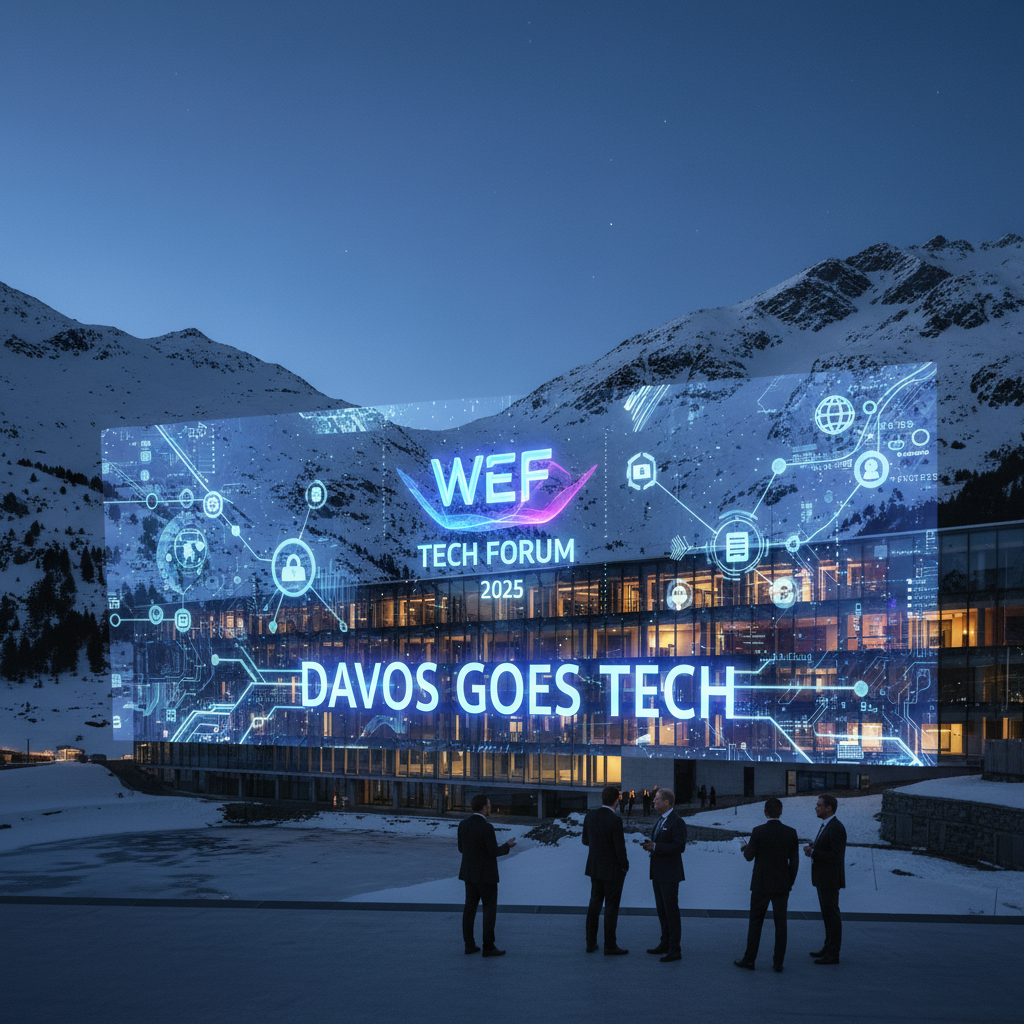
    The air in Davos this year felt… different. Not the crisp alpine air, but the buzz. The annual meeting of the World Economic Forum, typically a stage for discussions on climate change and global poverty, had a new star: artificial intelligence. And it was clear that tech had taken over.

    Meta and Salesforce, for example, transformed storefronts along the main promenade. The shift was palpable, and the CEOs weren’t holding back. There was a public criticism of trade policy, and warnings about AI’s potential impact. The sheer volume of AI-related conversations was striking, overshadowing discussions that, in previous years, would have dominated.

    This wasn’t just a matter of tech companies showing up; it was a fundamental shift in the narrative. According to reports, AI dominated the conversation, pushing traditional topics like climate change down the agenda. Or maybe it just seemed that way, given the intensity of the tech focus.

    The shift’s economic implications are still unfolding. One economist from the Brookings Institution recently noted that the focus on AI investment could lead to significant shifts in the labor market. The potential for job displacement, he argued, is a real concern. This, in turn, could impact consumer spending, which, as the latest figures from the Commerce Department show, is already slowing down.

    Consider the investment landscape. Venture capital firms poured billions into AI startups last year — over $100 billion, according to some estimates. This influx of capital is reshaping the market, creating winners and losers. The ripple effects will be felt across industries, from healthcare to finance.

    The conference, at least from this vantage point, felt less about grand geopolitical strategies and more about the next technological frontier. The focus on AI also raised questions about the future of work. What happens when automation becomes more prevalent? How do we retrain workers? These are complex questions, and the answers are far from clear. The discussions about trade policy also took center stage, with many leaders expressing concerns about protectionism and its impact on global growth. The warnings about AI’s potential societal impact were also front and center.

    The shift in Davos, however, is more than a change in topics; it is a reflection of the evolving global economy. The rise of AI is undeniable, and its implications are far-reaching. The focus on tech at Davos is a sign of the times, a sign of what’s to come.

  • AI CEOs Dominate Davos: Tech Takes Center Stage

    AI CEOs Dominate Davos: Tech Takes Center Stage

    The air in Davos this year, at least from the business perspective, carried a distinct digital charge. The annual World Economic Forum gathering, usually a mix of global leaders and climate change discussions, had transformed. AI, and the CEOs driving it, had taken center stage.

    It wasn’t just the obvious — Meta and Salesforce taking over prime real estate along the main promenade. The shift ran deeper, seeping into the very fabric of the conversations. Discussions on climate change and global poverty, while still present, felt almost secondary, overshadowed by the relentless buzz around artificial intelligence.

    And the CEOs? They weren’t holding back. Public criticism of trade policy, warnings about the potential pitfalls of AI, the future of work — all were openly discussed. It felt different, a stark contrast to previous years, when discussions often felt more guarded, more measured. This year, the gloves were off, or at least, partially.

    One of the key shifts, as observed by several analysts, was the focus on the practical implications of AI. The discussions weren’t just about the technology itself, but the economic and societal impact. How would AI reshape industries? What new jobs would emerge? What would happen to the old ones? These were the questions being asked, and the answers were far from clear.

    A senior economist from the Brookings Institution, as per reports, noted, “The speed of AI’s advancement is unprecedented. Businesses are scrambling to adapt, and governments are struggling to keep up.” This sentiment echoed throughout the conference halls, from the panel discussions to the informal chats over coffee. The feeling of being on the cusp of something massive was palpable.

    The financial implications were also at the forefront. Investment in AI is soaring, with venture capital firms pouring billions into startups. The market is volatile, of course. One day, a company’s valuation is through the roof. The next, a shift in policy or a bad earnings report can send shares tumbling.

    The mood was one of both excitement and uncertainty. Everyone knew this was a pivotal moment, a turning point in the global economy. Still, no one could say for sure where it would lead.

    The conference, in a way, became a microcosm of the larger global economic landscape. A place where the future of technology, business, and even society, was being actively debated, and, to some extent, decided. The shift was clear: Davos, once a place for global power brokers, had become a tech conference, and AI was the headliner. The future is now.