Tag: energy

  • Lunar Energy Raises $232M for Home Battery Grid Resilience

    Lunar Energy Raises $232M for Home Battery Grid Resilience

    Lunar Energy Secures $232M to Boost Grid Resilience with Home Batteries

    In a significant move for the renewable energy sector, Lunar Energy announced on February 4, 2026, that it had successfully raised $232 million in a new funding round. This substantial investment underscores the growing interest in and the critical need for advanced energy storage solutions. The startup, which has now amassed over $500 million in total funding, is poised to make a considerable impact on the way we manage and utilize energy.

    Building a Distributed Power Plant

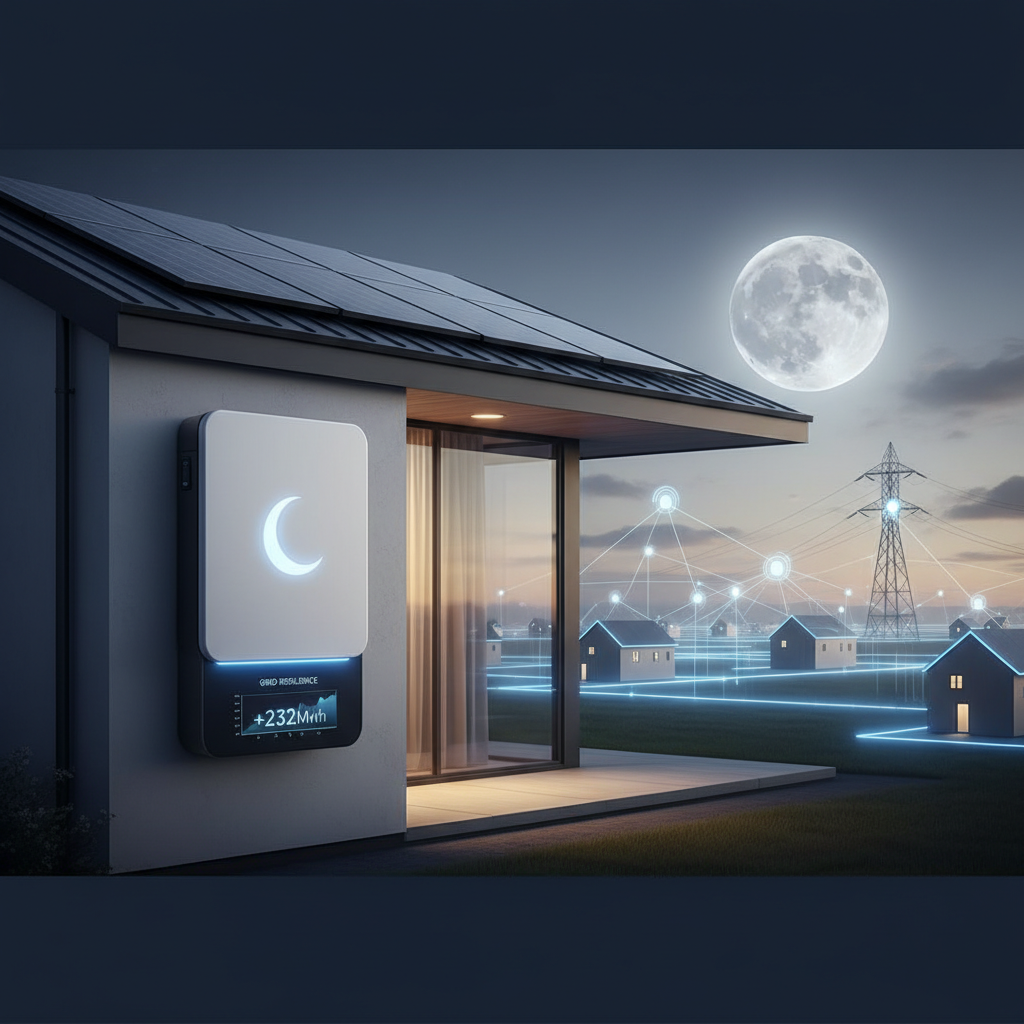
    The core of Lunar Energy’s mission revolves around creating a massive, distributed power plant fueled by residential batteries. This innovative approach aims to transform individual homes into integral components of a more robust and resilient power grid. By deploying home batteries, Lunar Energy is not just offering a product; it’s building an infrastructure capable of absorbing excess energy and providing power back to the grid when needed.

    The Role of Home Batteries

    Home batteries serve multiple critical functions. They store energy generated from renewable sources, such as solar panels, allowing homeowners to use clean energy even when the sun isn’t shining. Furthermore, they can provide backup power during outages, ensuring homes remain operational during emergencies. Perhaps most importantly, as Lunar Energy’s approach demonstrates, they can actively support the grid by providing stored energy during peak demand or when renewable energy generation fluctuates. This helps stabilize the grid, reducing the reliance on traditional fossil fuel power plants.

    Why This Investment Matters

    The $232 million investment in Lunar Energy reflects a broader trend: the increasing importance of grid support and the role of distributed energy resources. As the world transitions toward renewable energy sources, the need for reliable energy storage becomes ever more critical. The variability of solar and wind power necessitates solutions that can store excess energy and release it when needed, ensuring a consistent and dependable power supply.

    Key Benefits of Lunar Energy’s Approach

    • Grid Stability: Home batteries can help stabilize the grid by providing power during peak demand or when renewable energy generation fluctuates.
    • Renewable Energy Integration: Enables greater use of renewable energy sources by storing excess energy generated during periods of high production.
    • Increased Resilience: Provides backup power during outages, enhancing the resilience of individual homes and the grid as a whole.

    Lunar Energy, with its innovative approach and substantial backing from investors, is well-positioned to lead the charge in this critical area. The company’s focus on deploying home batteries as a means of supporting the grid represents a significant step forward in the quest for a more sustainable and reliable energy future.

    The Bigger Picture

    The investment in Lunar Energy is not just about a single company; it’s about the future of energy. As the world moves away from fossil fuels, the need for advanced energy storage solutions becomes paramount. Lunar Energy’s efforts to build a massive, distributed power plant, supported by residential batteries, are a testament to the changing energy landscape and the growing importance of renewable energy. This investment will accelerate the deployment of home batteries and contribute to a more sustainable energy future.

    Source: TechCrunch

  • Lunar Energy Raises $232M to Enhance Grid Resilience with Home Batteries

    Lunar Energy Raises $232M to Enhance Grid Resilience with Home Batteries

    Lunar Energy Secures $232M to Boost Grid Resilience with Home Batteries

    In a significant move for the renewable energy sector, Lunar Energy announced on February 4, 2026, that it has successfully raised $232 million in a new funding round. This latest investment underscores the growing interest in distributed energy resources and the potential of home batteries to bolster grid stability. The startup, which has now amassed over $500 million in total funding, plans to use the capital to deploy its home battery systems across a wider area, effectively building a massive, distributed power plant.

    The Vision: A Distributed Power Plant

    Lunar Energy’s core mission revolves around leveraging residential batteries to create a more resilient and sustainable energy infrastructure. The

  • PopWheels Powers Food Carts: Sustainable E-Bike Battery Swap

    PopWheels Powers Food Carts: Sustainable E-Bike Battery Swap

    PopWheels Powers Food Carts: Ditching Generators for Sustainable E-Bike Batteries

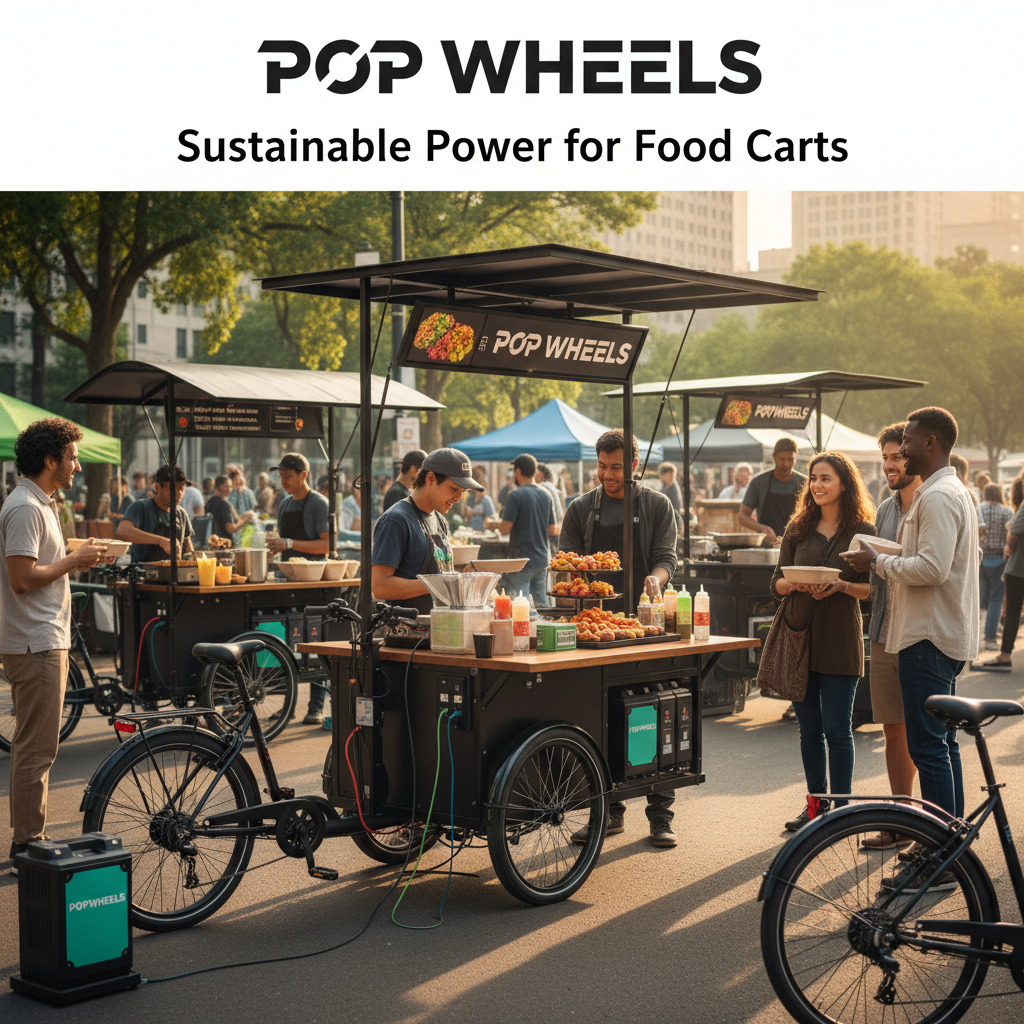
    In a move that marries technological innovation with environmental consciousness, PopWheels is extending its battery swapping network beyond its initial scope. The company, known for supporting food delivery workers, is now enabling food cart vendors to ditch their noisy, polluting generators in favor of cleaner, more efficient e-bike batteries. This shift marks a significant step towards sustainability within the food industry, offering a glimpse into a future where technology and eco-friendliness converge.

    The Genesis of an Idea: From Delivery to Dining

    PopWheels recognized the potential of its existing infrastructure to serve a broader market. The company’s core business involves providing a convenient battery swapping service for e-bike users, allowing them to quickly exchange depleted batteries for charged ones. This innovative approach minimizes downtime and keeps delivery workers on the move. The realization that this same technology could benefit food cart operators was a natural progression, addressing a common pain point for these businesses: the reliance on generators.

    Food carts are often mobile, and their power needs can be significant, especially for refrigeration, cooking equipment, and lighting. Generators have traditionally been the go-to solution, but they come with several drawbacks: they’re noisy, they produce emissions, and they can be costly to operate and maintain. PopWheels saw an opportunity to offer a cleaner, more cost-effective alternative.

    How PopWheels Makes It Happen: The Battery Swapping Network

    The core of PopWheels’ solution is its battery swapping network. Vendors using this system can exchange their depleted e-bike batteries for fully charged ones at designated swap stations. This process is quick and easy, minimizing downtime and ensuring that food carts have a consistent power supply. The batteries themselves are designed for longevity and efficiency, and the swapping stations are strategically located to provide convenient access.

    This approach not only eliminates the need for generators but also offers several other advantages. E-bike batteries are generally quieter than generators, reducing noise pollution in the areas where food carts operate. They also produce zero emissions, contributing to cleaner air and a more sustainable environment. Furthermore, the operational costs of using e-bike batteries can be lower than those associated with generators, offering potential savings for food cart owners.

    The

  • PopWheels Powers Food Carts: Battery Swapping Revolution

    PopWheels Powers Food Carts: Battery Swapping Revolution

    PopWheels Powers Food Carts: Battery Swapping Replaces Generators

    In a move that marries technological innovation with environmental consciousness, PopWheels is expanding its battery swapping network to support a new sector: food carts. As reported on January 24, 2026, by TechCrunch, the company realized its existing infrastructure could serve a greater purpose than just providing power to e-bike delivery workers. The decision marks a significant step towards sustainable practices within the mobile food industry, offering a compelling alternative to traditional, and often polluting, generators.

    The Problem: Generators and Their Impact

    For years, food carts have relied on generators to power their operations. While providing the necessary electricity, these generators come with a host of drawbacks. They are often noisy, disruptive to the surrounding environment, and contribute significantly to air pollution. Moreover, the cost of fuel and maintenance adds up, impacting the profitability of these small businesses. PopWheels recognized these pain points and saw an opportunity to provide a cleaner, more efficient solution.

    The Solution: PopWheels’ Battery Swapping Network

    PopWheels’ approach centers around its innovative battery swapping network. This system allows food cart operators to quickly exchange depleted e-bike batteries for fully charged ones. This eliminates the need for on-site charging, which can be time-consuming, and removes the reliance on generators. The benefits are multifold: reduced emissions, quieter operations, and lower operational costs. The transition to e-bike batteries offers a win-win scenario for both the food cart owners and the environment.

    How it Works

    The core of the system involves strategically placed battery swapping stations. Food cart operators can visit these stations to swap their depleted batteries for fully charged ones. The process is quick and easy, minimizing downtime. PopWheels manages the charging and maintenance of the batteries, ensuring a reliable supply of power. This streamlined approach allows food cart owners to focus on what they do best: serving their customers.

    The Benefits: Sustainability and Efficiency

    The shift from generators to e-bike batteries brings significant advantages. From a sustainability perspective, it reduces carbon emissions and air pollution, contributing to a cleaner urban environment. Economically, it can lower operational costs by reducing fuel expenses and maintenance needs. The switch to e-bike batteries offers a way for food carts to become more eco-friendly and operationally efficient. The “aggressive rollout” planned for this summer indicates a strong commitment from PopWheels to scale up this initiative.

    Looking Ahead: The Future of Mobile Food

    The expansion of PopWheels’ battery swapping network into the food cart sector represents a forward-thinking approach to sustainable urban development. By providing a practical and cost-effective alternative to generators, PopWheels is not only helping food cart businesses but also contributing to a cleaner, more sustainable future. As the company gears up for its “aggressive rollout” this summer, the impact of this innovative technology will be something to watch. This initiative could set a new standard for mobile food operations, demonstrating how technology can drive both environmental and economic benefits.

    Source: TechCrunch

  • General Fusion Secures $1B Funding Through Reverse Merger

    General Fusion Secures $1B Funding Through Reverse Merger

    General Fusion Navigates Funding Challenges with $1B Reverse Merger

    In a move that underscores the volatile nature of the fusion power sector, General Fusion is set to go public via a reverse merger valued at $1 billion. This strategic maneuver, as reported by TechCrunch, will provide the company with over $300 million in capital, a critical infusion following a period of financial strain.

    General Fusion, a key player in the pursuit of fusion energy, has been grappling with the complexities of securing funding. The company’s decision to pursue a reverse merger highlights the hurdles faced in attracting traditional investment, particularly in the capital-intensive field of fusion power. This approach, which involves merging with an existing acquisition company, offers a pathway to public markets, allowing General Fusion to access a broader pool of investors.

    The Mechanics of the Merger

    The reverse merger, a method of going public, is designed to inject much-needed capital into General Fusion. The process bypasses the more traditional and often more arduous initial public offering (IPO) route. This transaction is expected to provide General Fusion with approximately $300 million, a sum intended to fuel its ongoing research and development efforts. The “how” of this is through a merger with an acquisition company.

    Challenges in Securing Funding

    The decision to pursue a reverse merger comes after the company encountered difficulties in raising funds from conventional investors. The “why” behind the reverse merger is to go public and raise money. This is a common challenge within the fusion power industry, where the promise of long-term returns often clashes with the immediate financial demands of research, development, and scaling operations.

    The difficulties General Fusion faced last year in securing investment reflect broader trends within the technology and energy sectors. The fusion power industry, while holding immense potential to reshape the energy landscape, is still in its nascent stages. Investors often approach such ventures with caution, factoring in the high costs, extended timelines, and inherent technological risks associated with fusion research.

    Looking Ahead

    The reverse merger represents a pivotal moment for General Fusion. It offers a chance to secure the financial resources needed to advance its fusion technology. The success of this strategy hinges on the company’s ability to navigate the public market landscape, maintain investor confidence, and ultimately, achieve its long-term goals. The “when” is 2026, when the merger is expected to be finalized.

    The company’s journey underscores the intricate dance between innovation, investment, and market dynamics within the energy sector. As General Fusion embarks on this new chapter, the industry will be closely watching to see if this strategic move will pave the way for a more sustainable and successful future.

    Source: TechCrunch

  • Mazama Energy: Geothermal Power for Data Centers 24/7

    Mazama Energy: Geothermal Power for Data Centers 24/7

    Mazama Energy’s Hot Rock Strategy: Powering Data Centers 24/7

    The energy landscape is undergoing a significant transformation, with renewable sources taking center stage. Among these, geothermal energy stands out for its potential to provide a consistent, 24/7 power supply. In this context, Mazama Energy, a geothermal startup, is making waves. The company, backed by Khosla Ventures, is innovating in the field of geothermal energy, and its recent achievements could reshape how data centers are powered.

    The Promise of Superhot Rocks

    At the heart of Mazama Energy’s strategy lies the exploitation of superhot rocks deep beneath the Earth’s surface. The company’s recent drilling efforts have reportedly yielded record-breaking temperatures, a critical step in harnessing geothermal energy efficiently. These ultra-high temperatures open the door to highly efficient power generation, making geothermal a potentially key player in meeting the increasing energy demands of data centers.

    How Mazama Energy is Innovating

    Mazama Energy’s approach involves drilling boreholes to access these superhot resources. The company’s success in achieving record temperatures demonstrates its technological prowess and commitment to pushing the boundaries of geothermal energy. This innovation is crucial, as it could unlock a more sustainable and reliable power source for data centers, which are known for their high energy consumption.

    The innovation by Mazama Energy has the potential to make geothermal energy competitive with traditional power sources. By providing a constant power supply, the company is also addressing a critical need for data centers, which require uninterrupted power to operate effectively. This could be a game-changer for the industry.

    Why Geothermal for Data Centers?

    The motivation behind Mazama Energy’s efforts is clear: to deliver 24/7 power. The company’s focus on data centers is strategic. Data centers consume vast amounts of electricity, and the demand is only increasing. By providing a reliable and sustainable power source, Mazama Energy aims to address the growing energy needs of this sector. This is a critical step towards a more sustainable future.

    Data centers are essential for today’s digital world, supporting everything from cloud computing to online services. However, their high energy consumption has raised environmental concerns. By utilizing geothermal energy, Mazama Energy not only aims to provide a reliable power source but also to reduce the carbon footprint of these critical facilities. This dual benefit makes geothermal an appealing option for data center operators.

    The Khosla Ventures Factor

    The backing of Khosla Ventures provides Mazama Energy with the financial support and industry expertise needed to succeed. Khosla Ventures has a strong track record of investing in innovative and sustainable technologies. Their involvement underscores the potential of Mazama Energy’s approach and its ability to disrupt the energy market. This partnership is a testament to the viability of geothermal energy as a sustainable power source.

    The Future of Geothermal Energy

    Mazama Energy’s work is a step towards a future where geothermal energy plays a more significant role in the global energy mix. With its focus on superhot rocks and data center power, the company is well-positioned to capitalize on the growing demand for sustainable energy solutions. While the geothermal industry faces challenges, the recent innovations by Mazama Energy offer a promising outlook.

    As the world moves towards renewable energy sources, the potential of geothermal energy is becoming increasingly clear. Mazama Energy’s innovative approach and strategic focus on data centers could pave the way for a more sustainable and reliable energy future. The company’s efforts are a testament to the power of innovation in the face of climate change.

  • COI Energy: Energy Sharing Revolution at TechCrunch Disrupt 2025

    COI Energy: Energy Sharing Revolution at TechCrunch Disrupt 2025

    COI Energy: Pioneering Energy Sharing at TechCrunch Disrupt 2025

    In the dynamic landscape of modern business, energy efficiency and sustainability are no longer just buzzwords; they are critical components of operational success. COI Energy is at the forefront of this transformation, offering a groundbreaking solution to a persistent challenge: the underutilization of electricity by large enterprises. This innovative platform is set to be showcased at TechCrunch Disrupt 2025, promising a paradigm shift in how businesses manage their energy resources.

    The Energy Conundrum: A Problem and a Solution

    Many large businesses routinely purchase more electricity than they actually consume. This excess capacity represents a significant financial inefficiency and a missed opportunity for greater sustainability. COI Energy addresses this problem head-on by providing a patented platform that empowers businesses to sell and share their unused electricity. This not only optimizes energy usage but also fosters a more sustainable and collaborative energy ecosystem.

    How COI Energy Works: A Technological Marvel

    The core of COI Energy’s innovation lies in its proprietary technology. The platform allows businesses to monitor their energy consumption in real-time. It then facilitates the secure and efficient selling of surplus energy to other businesses or the grid. This process is streamlined, transparent, and compliant with all relevant regulations, ensuring a seamless experience for all participants. The platform’s sophisticated algorithms optimize pricing and distribution, maximizing the value of the shared energy.

    Key Features and Benefits:

    • Real-time Monitoring: Provides businesses with detailed insights into their energy consumption patterns.
    • Automated Trading: Simplifies the process of selling and buying excess energy.
    • Secure Transactions: Ensures safe and compliant energy trading.
    • Sustainability: Reduces waste and promotes the efficient use of energy resources.
    • Cost Savings: Offers businesses a new revenue stream by monetizing unused electricity.

    The Significance of TechCrunch Disrupt 2025

    TechCrunch Disrupt is renowned for showcasing the most innovative and disruptive technologies. COI Energy’s presence at TechCrunch Disrupt 2025 underscores the significance of its solution in the rapidly evolving energy sector. This event provides a crucial platform for COI Energy to connect with investors, potential partners, and industry leaders, accelerating its mission to transform the energy landscape.

    Why COI Energy Matters: The Future of Energy

    The why behind COI Energy’s mission is clear: to create a more sustainable and efficient energy future. By enabling businesses to actively participate in the energy market, COI Energy is fostering a sharing economy that benefits both the environment and the bottom line. This approach not only reduces carbon footprints but also promotes a more resilient and decentralized energy infrastructure. This aligns with the global shift towards renewable energy sources and sustainable business practices.

    Looking Ahead: The Impact of COI Energy

    COI Energy is poised to make a significant impact on the energy sector. By providing a practical and efficient solution for managing unused electricity, the company is empowering businesses to become active participants in the energy transition. As the world moves towards a more sustainable future, COI Energy’s innovative platform is set to play a pivotal role in shaping a more efficient, resilient, and environmentally friendly energy ecosystem.

    For more information, visit the COI Energy website or catch them at TechCrunch Disrupt 2025.

    Sources:

    1. TechCrunch. (2025, October 27). COI Energy solves a conundrum: Letting businesses sell unused electricity — catch it at TechCrunch Disrupt 2025.