Data Leak Prevention: A Proactive Guide to Protecting Your Business
In today’s digital landscape, the constant threat of data leakage looms large. Imagine a scenario where sensitive customer information, financial records, or proprietary trade secrets are accidentally exposed. The consequences can be devastating, leading to financial losses, reputational damage, and legal repercussions. Just like a slow leak in a pipe, these exposures can start small but quickly escalate into a catastrophic flood. The key to survival? Early detection and proactive prevention. This guide delves into the essential steps businesses must take to safeguard their critical data and mitigate the risks associated with data leaks.
The Escalating Threat of Data Breaches
Data breaches are no longer a rare occurrence; they’re a growing epidemic. Fueled by the rapid expansion of cloud services, remote work environments, and the increasing sophistication of cybercriminals, the attack surface for businesses is constantly widening. According to recent reports from The Hacker News, the frequency and severity of these attacks are on the rise. The shift is undeniable: businesses must move beyond reactive measures and embrace a proactive approach to data leak detection and prevention. It’s a constant arms race, and staying ahead requires vigilance and a robust defense strategy.
Understanding the Nuances: Data Leaks vs. Data Breaches and Data Leak Detection Methods
It’s crucial to understand the distinction between data leaks and data breaches. A data leak is often accidental, stemming from vulnerabilities in security systems, while a data breach is a deliberate, malicious attack. Both pose significant threats, but understanding their origins is essential for effective mitigation. Consider the DeepSeek incident, as reported on The Hacker News, where a Chinese AI specialist suffered a data leak due to misconfigured systems, exposing sensitive information. This example underscores how even seemingly minor errors, such as misconfigured cloud storage, endpoint vulnerabilities, or weaknesses in email systems, can have devastating consequences. Even simple oversights, like default passwords, can create open doors for attackers. The Cloud Security Alliance consistently highlights these risks, emphasizing the need for proactive security measures.
Taking Action: Implementing Data Leak Detection and Prevention Strategies
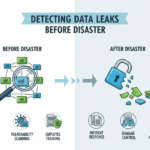
Experts strongly advocate for proactive measures to protect sensitive data. A multi-layered approach is essential. This includes: enforcing the principle of least-privilege access, which limits user access to only the data they need; implementing robust Data Loss Prevention (DLP) strategies to monitor and control data movement; meticulously classifying sensitive data to prioritize protection efforts; conducting regular security audits to identify vulnerabilities; and providing comprehensive employee training to foster a culture of security awareness, as detailed on The Hacker News. Think of it as building a fortress: you need strong walls, vigilant guards, and a comprehensive defense plan. This includes adopting the right tools, such as the Digital Risk Protection solutions offered by companies like Outpost24.
The Future of Data Leak Detection
The future of data leak detection is promising, with exciting advancements on the horizon. Artificial intelligence (AI) and machine learning (ML) are becoming invaluable tools, analyzing vast datasets to identify subtle anomalies that might indicate a data leak. The trend toward Zero Trust architecture is also gaining momentum, emphasizing a “never trust, always verify” approach. This holistic strategy underscores the importance of continuous vigilance and a proactive mindset. Data leak detection and prevention are no longer optional; they are essential for safeguarding your business.
Strategic Implications and Business Impact of Data Leak Prevention
Businesses that prioritize data leak prevention are better positioned to protect their assets and maintain a strong reputation. Proactive measures enhance customer trust, protect the brand from reputational damage, and mitigate the risk of costly fines and legal battles. The ability to act swiftly and effectively can minimize damage and prevent breaches from escalating into full-blown crises. As The Hacker News has consistently reported, the financial and legal ramifications of data breaches can be severe. Data leak prevention is not merely a best practice; it’s a fundamental business imperative.
Final Thoughts: Building a Resilient Data Security Strategy
Organizations must cultivate a culture of security awareness, invest in cutting-edge data leak detection tools, and cultivate the necessary expertise. Prioritize data security at all levels, proactively implement preventative measures, and foster a security-minded culture throughout your organization. Remember, the ultimate goals are early detection and rapid response. It’s about building long-term data security and ensuring business resilience in the face of evolving threats. For further reading on specific data leak detection methods, explore our related articles on [link to related article 1] and [link to related article 2].