Tag: investment

  • a16z Partner Kofi Ampadu Departs Amid TxO Program Uncertainty

    a16z Partner Kofi Ampadu Departs Amid TxO Program Uncertainty

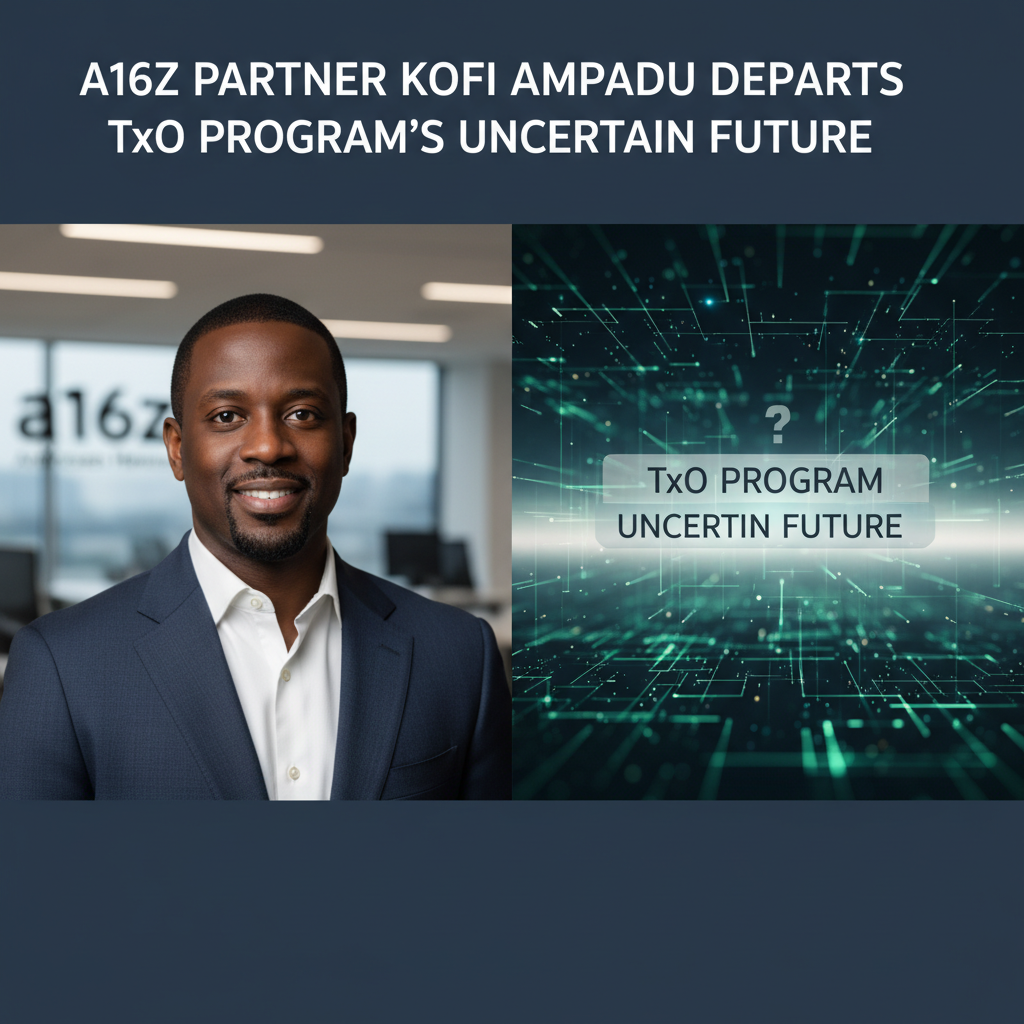
    a16z Partner Kofi Ampadu Departs Amid TxO Program’s Uncertain Future

    In a move that signals potential shifts within the venture capital landscape, a16z partner Kofi Ampadu is set to depart from the firm. This announcement, made on January 30, 2026, comes at a pivotal moment, coinciding with the pause of a16z’s TxO program. The program, which focused on supporting underserved founders, now faces an uncertain future. This departure and the pause of TxO raise questions about the program’s long-term viability and the firm’s strategic priorities.

    The Significance of Ampadu’s Departure

    Kofi Ampadu’s exit from a16z is more than just a personnel change. As a partner, Ampadu held a significant role within the firm, and his departure may indicate a strategic realignment. The TxO program, which Ampadu was involved in, aimed to provide underserved founders with crucial resources, including access to tech networks and investment capital. The program operated through a donor-advised fund, allowing for a unique approach to supporting startups.

    Ampadu’s departure, coupled with the TxO program’s pause, suggests a potential shift in a16z’s approach to supporting underrepresented founders. The reasons behind this decision are not immediately clear, but the timing is certainly noteworthy. It raises questions about the firm’s commitment to these initiatives and its broader diversity and inclusion strategy.

    TxO Program: A Focus on Underserved Founders

    The TxO program was designed with a clear mission: to support underserved founders. This support came in the form of access to tech networks and investment capital, crucial elements for any startup’s success. The program’s structure, utilizing a donor-advised fund, offered a unique avenue for a16z to deploy resources and make a tangible impact on the startup ecosystem. This approach allowed the firm to target specific needs and provide tailored support to founders who often face significant challenges in securing funding and mentorship.

    The pause of the TxO program is a setback for the underserved founders it aimed to help. The program’s value extended beyond mere financial investment; it provided access to a network of industry experts and potential investors, creating opportunities for growth and collaboration. The program’s suspension leaves a void in the support system for underrepresented founders, which may have lasting effects on the industry.

    Implications for the Tech Industry

    The changes at a16z have wider implications for the tech industry. The venture capital landscape is constantly evolving, and decisions made by firms like a16z can set precedents and influence investment trends. The pause of the TxO program could signal a broader shift in how venture capital firms approach diversity and inclusion. It prompts a critical examination of the strategies employed to support underserved founders and the effectiveness of such programs.

    The tech industry, often criticized for its lack of diversity, relies on initiatives like TxO to create a more inclusive environment. The program’s pause raises concerns about the industry’s commitment to these goals. It also highlights the challenges of balancing financial objectives with social responsibility in the venture capital world. The future of similar programs and their impact on the startup ecosystem are now under scrutiny.

    It remains to be seen what the future holds for both Kofi Ampadu and the TxO program. However, their intertwined fates underscore the dynamic nature of the venture capital industry and the constant need for adaptation and strategic recalibration.

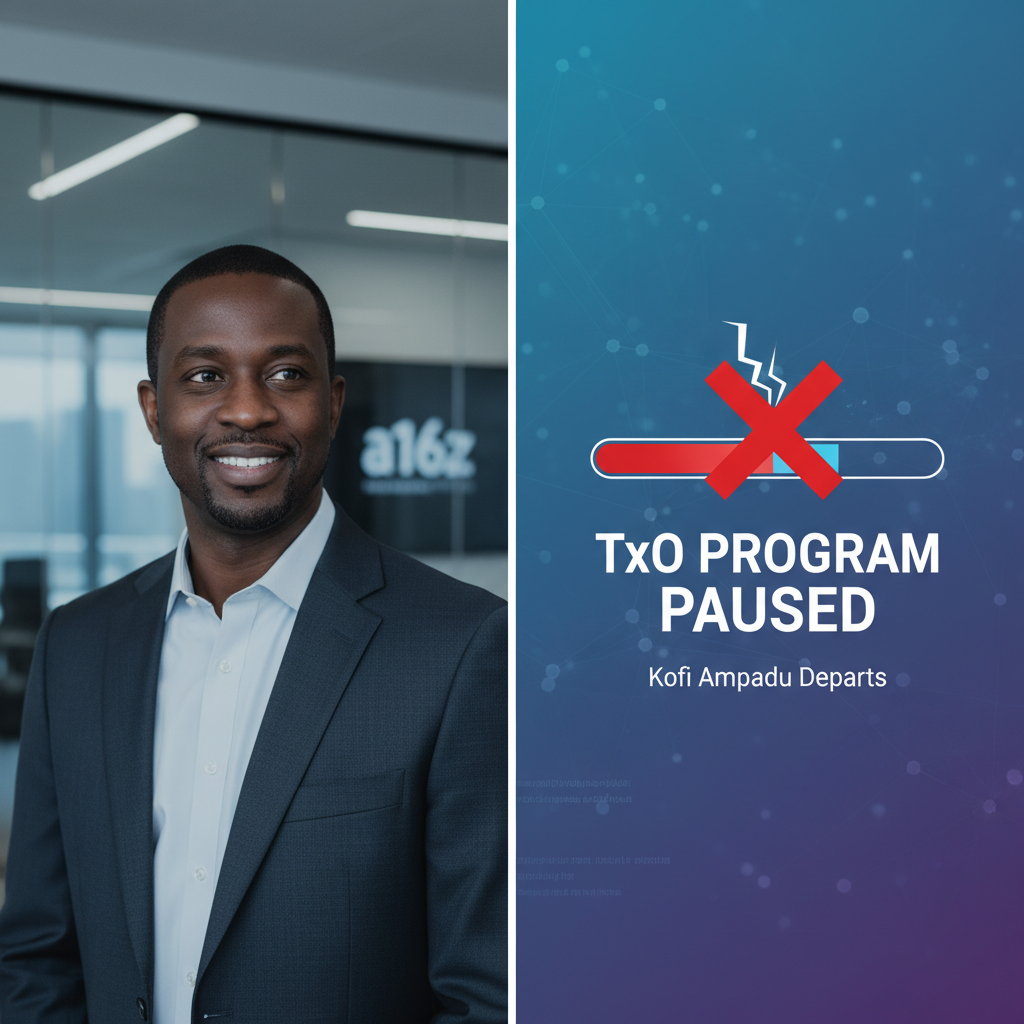
  • a16z Partner Kofi Ampadu Departs, TxO Program Paused

    a16z Partner Kofi Ampadu Departs, TxO Program Paused

    a16z Partner Kofi Ampadu Departs Amid TxO Program Pause

    The venture capital landscape is always in flux, and recent developments at Andreessen Horowitz (a16z) underscore this reality. In a move that has sent ripples through the tech and investment communities, a16z partner Kofi Ampadu is set to leave the firm. This announcement arrives concurrently with the pause of the TxO program, a key initiative aimed at supporting underserved founders.

    The Significance of Ampadu’s Departure

    The departure of a partner, particularly one with a focus on diversity and inclusion initiatives, is always noteworthy. Ampadu’s role at a16z involved more than just traditional venture capital activities; he was instrumental in the TxO program. The exit of Ampadu, coupled with the program’s pause, suggests a potential strategic shift within a16z. While the specifics remain unclear, the simultaneous nature of these events raises questions about the future of a16z’s commitment to supporting underrepresented founders.

    The news, reported on January 30, 2026, highlights the dynamic nature of the venture capital world. The tech industry, particularly the startup ecosystem, is known for its rapid evolution. Personnel changes and program adjustments are not uncommon, but the confluence of Ampadu’s departure and the TxO pause warrants closer examination.

    Understanding the TxO Program

    The TxO program was designed to provide critical resources to underserved founders. This was achieved by offering access to tech networks and investment capital, facilitated through a donor-advised fund. The program’s mission was clear: to address the funding gap and provide opportunities for those who may have been historically excluded from the venture capital arena. The core of the program was its focus on supporting founders by providing access to tech networks and investment capital.

    The Broader Implications

    The pause of the TxO program and Ampadu’s departure could signal a reevaluation of a16z’s investment strategies or a shift in focus. While the firm has not released detailed statements about the changes, the tech industry is watching closely. The venture capital world is often shaped by the decisions of its key players, and these events could have wider ramifications for startups and investors alike.

    The tech industry’s commitment to supporting underserved founders is a crucial element of its evolution. The TxO program was a tangible example of this commitment. Its pause raises questions about the future of such initiatives and the strategies venture capital firms will adopt to promote diversity and inclusion. The departure of Ampadu, who was closely associated with these efforts, further underscores the importance of this moment.

    Looking Ahead

    The departure of Kofi Ampadu and the pause of the TxO program mark a significant moment in a16z’s history. The tech and investment communities will be watching closely to see how the firm adapts and what new initiatives might arise. This is a moment of transition, and the decisions made in the coming months will likely shape the future of a16z and its role in the venture capital landscape.

  • Uber’s Billion-Dollar Bet: Robotaxis & Self-Driving Trucks

    Uber’s Billion-Dollar Bet: Robotaxis & Self-Driving Trucks

    Uber’s AV Expansion: A Billion-Dollar Bet on Robotaxis and Self-Driving Trucks

    The autonomous vehicle (AV) landscape is constantly evolving, and Uber continues to position itself at the forefront of this transformation. A recent deal involving Waabi, a self-driving truck startup, underscores Uber’s commitment to the future of transportation. This isn’t just about trucks; it’s a strategic move into the burgeoning world of robotaxis and a significant investment in autonomous technology.

    The Waabi Deal: A Strategic Investment

    The deal, valued at a billion dollars, with $750 million upfront and an additional $250 million tied to deployment milestones, demonstrates Uber’s confidence in Waabi’s vision. This investment marks a major expansion into robotaxis for the company founded by former Uber AI chief Raquel Urtasun. This financial commitment is a clear indication of Uber’s long-term strategy in the AV sector.

    Raquel Urtasun: Leading the Way

    Raquel Urtasun, the former Uber AI chief, is now at the helm of Waabi. Her expertise and experience in the field are invaluable to the startup’s mission. This partnership is a testament to the talent and innovation within the autonomous vehicle industry.

    Uber’s Autonomous Vehicle Strategy

    Uber’s approach to autonomous vehicles is multifaceted. The company is not only investing in startups like Waabi but also exploring various avenues to integrate AV technology into its existing services. This strategic approach highlights Uber’s understanding of the complexities and opportunities within the AV market.

    The Future of Robotaxis

    Robotaxis are poised to revolutionize urban transportation. Uber’s investment in Waabi is a significant step towards realizing this vision. As technology advances and regulations evolve, robotaxis are expected to become an increasingly integral part of the transportation ecosystem.

    Conclusion: Riding the AV Wave

    Uber’s billion-dollar bet on Waabi is a clear signal of its commitment to the future of autonomous vehicles. This strategic investment in robotaxis and self-driving trucks positions Uber as a key player in the evolving AV landscape. As the technology matures and adoption increases, Uber is well-placed to capitalize on the opportunities that lie ahead.

    Source: TechCrunch

  • Uber Invests in Waabi: Doubles Down on Self-Driving Tech

    Uber Invests in Waabi: Doubles Down on Self-Driving Tech

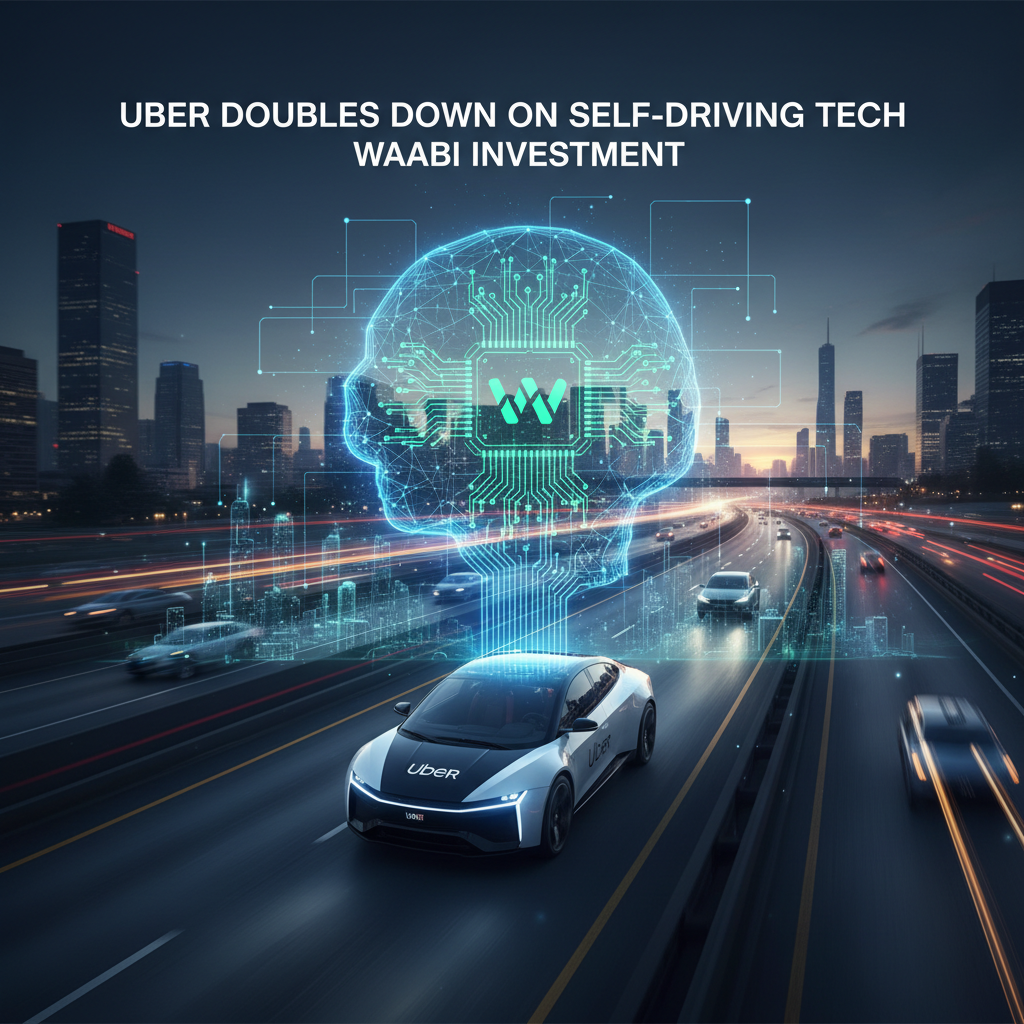
    Uber Doubles Down on Self-Driving Tech with Waabi Investment

    In a move that underscores its ongoing commitment to autonomous vehicle technology, Uber has placed another significant bet in the self-driving arena. The company’s investment in Waabi, a self-driving truck startup, is not just about expanding its freight capabilities; it’s also a calculated step into the realm of robotaxis. This strategic decision, highlighted by a recent TechCrunch article, demonstrates Uber’s forward-thinking approach to the future of transportation.

    A Billion-Dollar Bet on Autonomous Vehicles

    The deal with Waabi, which includes $750 million upfront and an additional $250 million tied to deployment milestones, represents a substantial financial commitment. This investment, as reported by TechCrunch, is a clear indication of Uber’s confidence in the potential of self-driving technology. The funding will not only support the development of self-driving trucks but also facilitate Waabi’s expansion into the robotaxi market, a key area of interest for Uber. This investment signifies more than just financial backing; it’s a strategic partnership designed to accelerate innovation in the autonomous vehicle space.

    Waabi’s Vision and Uber’s Strategy

    Founded by Raquel Urtasun, former Uber AI chief, Waabi brings a wealth of expertise to the table. Urtasun’s background provides Waabi with a unique perspective on the challenges and opportunities in the autonomous vehicle sector. Uber’s decision to partner with Waabi is a testament to the startup’s innovative approach and the potential for its technology. The investment allows Uber to diversify its autonomous vehicle portfolio and position itself at the forefront of the industry. The deployment milestones attached to the deal further align the two companies’ interests, ensuring a focus on tangible results and real-world applications of the technology.

    The Expansion into Robotaxis

    The move into robotaxis is a significant strategic shift for both Uber and Waabi. While self-driving trucks offer considerable potential in the freight industry, robotaxis represent a direct application of autonomous technology in urban transportation. This expansion allows Uber to tap into a potentially lucrative market while also contributing to the development of safer and more efficient transportation solutions. The investment in Waabi supports Uber’s broader goal of shaping the future of mobility.

    A Look at the Future of Autonomous Vehicles

    Uber’s investment in Waabi, as detailed in the TechCrunch report, reflects a larger trend in the technology industry. Autonomous vehicles are no longer a futuristic concept but a rapidly evolving reality. The funding secured by Waabi, and Uber’s commitment to the project, highlights the growing importance of self-driving technology. This investment underscores the potential for innovation and the ongoing efforts to bring autonomous vehicles to the mainstream. The collaboration between Uber and Waabi could very well play a key role in shaping the future of transportation.

    Source: TechCrunch

  • Uber Bets Big on Self-Driving: Robotaxis and Waabi

    Uber Bets Big on Self-Driving: Robotaxis and Waabi

    Uber’s Bet on Self-Driving: A New Chip on the Autonomous Vehicle Roulette Table

    The self-driving landscape is a complex one, filled with both promise and peril. Recent developments, particularly Uber’s latest investment, highlight the continued evolution and strategic maneuvering within this dynamic industry. The deal, involving a significant fundraise for the self-driving truck startup Waabi, is more than just about trucks; it’s a calculated move by Uber to expand its presence in the burgeoning robotaxi market.

    Waabi’s Fundraise and Uber’s Strategic Play

    The financial details of the deal are noteworthy. Waabi secured $750 million upfront, with an additional $250 million from Uber contingent on meeting deployment milestones. This investment underscores the confidence in Waabi’s technology and its potential for future growth. For Uber, this represents a significant commitment to autonomous vehicles. This move, led by former Uber AI chief Raquel Urtasun, signals a strategic shift and expansion into robotaxis.

    The Expansion into Robotaxis and Autonomous Vehicles

    This investment marks a pivotal moment, with Uber placing another chip on the autonomous vehicle roulette table. The core of this strategy appears to be a broader expansion into the robotaxi sector. Robotaxis, or self-driving taxis, are seen as a transformative technology with the potential to revolutionize urban transportation. By backing Waabi, Uber is positioning itself to capitalize on this future.

    The deal reflects a broader trend of investment and innovation in the self-driving sector. The involvement of Raquel Urtasun, who previously led AI efforts at Uber, adds a layer of expertise and strategic insight to the partnership. This collaboration underscores the importance of technological leadership and strategic partnerships in the competitive autonomous vehicle market.

    The Role of Deployment Milestones

    The agreement’s structure, with a portion of the funding tied to deployment milestones, is a key element of the deal. This approach incentivizes Waabi to achieve specific technological and operational goals, ensuring that the investment translates into tangible progress. These milestones are a practical measure of success, aligning the interests of both Uber and Waabi. This arrangement highlights the pragmatic approach Uber is taking to ensure the investment yields concrete results and furthers the development of autonomous vehicles.

    Implications for the Future

    The investment in Waabi has significant implications for the future of autonomous vehicles. It underscores Uber‘s commitment to this technology and its potential to reshape urban mobility. The deal also highlights the importance of strategic partnerships and technological expertise in the race to develop and deploy self-driving solutions.

    The ongoing investment in self-driving technology, despite the challenges, indicates a strong belief in its long-term viability. The involvement of key players like Raquel Urtasun and the strategic deployment of funds suggest that Uber is playing a long game, positioning itself for future success in the rapidly evolving autonomous vehicle market. This move underscores the company’s commitment to innovation and its desire to stay at the forefront of technological advancements.

    In conclusion, Uber‘s investment in Waabi is more than just a financial transaction; it’s a strategic move to secure a position in the autonomous vehicle market. This investment, with its focus on robotaxis and the expertise of Raquel Urtasun, reflects a broader trend of innovation and investment in self-driving technology. As the autonomous vehicle industry continues to evolve, Uber‘s latest move highlights the company’s dedication to shaping the future of transportation.

  • Apple Acquires Q.AI for $2B: AI Tech Race Heats Up

    Apple Acquires Q.AI for $2B: AI Tech Race Heats Up

    Apple’s $2 Billion AI Bet: Acquiring Q.AI to Lead the Tech Race

    In a move that underscores its commitment to the future, Apple announced on January 29, 2026, the acquisition of Israeli startup Q.AI. The deal, valued at nearly $2 billion, represents Apple’s second-largest acquisition to date, signaling a significant escalation in the ongoing AI race. This strategic investment is a clear indication of Apple’s determination to solidify its position at the forefront of the rapidly evolving artificial intelligence landscape, as reported by TechCrunch.

    Why Q.AI Matters to Apple

    The acquisition of Q.AI is a strategic move, driven by Apple’s desire to advance its capabilities in the complex field of artificial intelligence. Q.AI, an Israeli startup, likely brings with it a wealth of talent and technology that will be instrumental in Apple’s future endeavors. The specific technologies and expertise that Q.AI possesses remain undisclosed in the initial reports. However, the substantial investment suggests that Apple sees significant value in Q.AI’s contributions to the AI domain.

    This is a particularly interesting development when considering the competitive landscape. With other tech giants heavily investing in AI, Apple is making a bold statement. The acquisition is not just about adding another company to its portfolio; it’s about investing in the future of technology and securing a competitive edge. This is a clear demonstration of Apple’s strategy to innovate and lead in the AI revolution.

    The Broader Implications of the Acquisition

    The acquisition has several implications that extend beyond the immediate benefits to Apple. It highlights the growing importance of AI across various industries and the lengths to which companies are willing to go to secure their place in this transformative field. The fact that an Israeli startup was the target also speaks to the global nature of innovation and the strategic value of international partnerships.

    The move also signifies the continued dominance of Apple in the technology market. With the resources and expertise gained through this acquisition, Apple is poised to integrate AI more deeply into its products and services. This could lead to more innovative features, improved user experiences, and enhanced competitiveness in the market.

    What’s Next for Apple and Q.AI?

    The integration of Q.AI into Apple’s operations will be a key focus in the coming months. As Apple incorporates Q.AI’s technology and talent, the industry will be watching closely to see how this translates into new products or enhancements to existing ones. The acquisition is expected to accelerate Apple’s progress in AI, potentially leading to breakthroughs in areas such as machine learning, natural language processing, and computer vision.

    The substantial investment also suggests that Apple is planning for the long term. This strategic move underscores Apple’s commitment to investing in the future, ensuring that it remains at the forefront of technological innovation and competitive in the global market. The AI race is heating up, and Apple has just made a significant move to stay ahead.

    In Conclusion

    Apple’s acquisition of Q.AI is a landmark event in the technology sector, reflecting the growing importance of artificial intelligence and the strategic moves companies are making to dominate this field. With this acquisition, Apple has demonstrated its commitment to innovation, its vision for the future, and its willingness to invest in the technologies that will shape the world. This is not just an acquisition; it’s a statement of intent.

  • Apple Acquires Q.AI for $2B: AI Tech Race Heats Up

    Apple Acquires Q.AI for $2B: AI Tech Race Heats Up

    Apple’s $2 Billion AI Bet: Acquiring Q.AI to Lead the Tech Race

    In a move that underscores the intensifying competition in the artificial intelligence sector, Apple announced on January 29, 2026, its acquisition of the Israeli startup Q.AI. The deal, reportedly valued at nearly $2 billion, marks Apple’s second-largest acquisition to date, signaling a significant investment in its future AI capabilities. This strategic move highlights Apple’s commitment to staying at the forefront of the technological race, particularly in the rapidly evolving field of AI.

    The Significance of the Acquisition

    The acquisition of Q.AI by Apple is more than just a financial transaction; it’s a strategic maneuver designed to bolster Apple’s position in the AI landscape. The ‘what’ of this acquisition centers on the integration of Q.AI’s innovative AI technologies into Apple’s existing ecosystem. This move is a clear indication of Apple’s intent to enhance its product offerings and user experiences through advanced AI functionalities. The ‘why’ behind this acquisition is clear: to advance in the AI race, ensuring Apple remains competitive with other tech giants.

    Q.AI: An Overview

    While specific details about Q.AI’s technologies remain undisclosed, the fact that Apple was willing to invest such a substantial sum suggests the startup possesses cutting-edge AI capabilities. The ‘where’ of this transaction, in Israel, further emphasizes the country’s growing reputation as a hub for technological innovation. This acquisition allows Apple to tap into Israel’s rich talent pool and innovative ecosystem, which is known for its expertise in AI and related fields. The ‘how’ of the acquisition involved a financial investment, with Apple using its vast resources to secure Q.AI’s expertise. The ‘when’ of the acquisition, January 29, 2026, marks a pivotal moment in Apple’s AI strategy.

    The Broader Implications for the Tech Industry

    This acquisition has significant implications for the wider tech industry. It underscores the increasing importance of AI in driving innovation and competition. As major tech companies like Apple invest heavily in AI, smaller startups and established players alike will need to adapt and innovate to stay relevant. The move is likely to fuel further investment and acquisitions in the AI sector, creating a dynamic and fast-paced environment. This event also highlights the global nature of technological advancement, with companies increasingly looking to international markets, such as Israel, for talent and innovation.

    Looking Ahead

    Apple’s acquisition of Q.AI is a bold move that signals its determination to lead in the AI revolution. By integrating Q.AI’s technologies, Apple is poised to enhance its products and services, potentially reshaping the user experience across its entire product line. This acquisition is a clear indication of Apple’s future trajectory, firmly placing AI at the core of its strategy. As the tech landscape continues to evolve, the impact of this acquisition will undoubtedly be felt across the industry, setting the stage for future innovations and strategic moves.

  • Upwind Secures $250M Series B for Cloud Security

    Upwind Secures $250M Series B for Cloud Security

    The news hit the wires on January 29, 2026. Upwind, the cloud security outfit, just closed a $250 million Series B round. The valuation? A cool $1.5 billion. Bessemer Venture Partners led the charge. Salesforce Ventures and Picture Capital also kicked in some capital.

    It’s a significant chunk of change, especially in a market that, at least lately, has been showing signs of caution. Or maybe it’s just the usual pre-earnings jitters that always seem to hang in the air.

    The stated goal? To keep building out their ‘runtime’ cloud security platform. That’s the buzzword, anyway. It’s what everyone is chasing, trying to stay ahead of the next breach.

    The funding arrived, as per reports, at a time when other tech firms are facing increased scrutiny. Tax law changes, and shifting consumer spending patterns, are all affecting the tech ecosystem.

    A senior analyst at the Brookings Tax Policy Center noted that the current climate encourages firms to show strong financials. “Investors are looking closely at how these companies are navigating the landscape,” the analyst commented. That kind of pressure can change everything.

    The details, of course, are what matter. The $250 million. The $1.5 billion valuation. Those numbers are the story. Upwind’s ability to attract such investment, suggests confidence in its approach to cloud security.

    And, the market seems to agree. The initial reaction, at least, was positive. Shares of related companies saw a slight bump, though nothing dramatic. It’s a sign, maybe, of a broader trend.

    The question now becomes: What will Upwind do with the cash? More hires? New acquisitions? The industry is watching, waiting to see what unfolds.

    The funding round, a significant indicator of confidence in Upwind’s approach to securing cloud environments, is also a reflection of the broader investment climate.

    The air in the trading rooms, always, is a mix of quiet anticipation and frantic activity. The screens, a constant, shifting stream of data. The phones, always ringing. Right now, though, it’s mostly quiet. Waiting.

  • Upwind Secures $250M Series B for Cloud Security

    Upwind Secures $250M Series B for Cloud Security

    The numbers, they say a lot, don’t they? And this morning, they’re telling a story about cloud security, a market that’s either booming or bracing itself, depending on who you ask.

    Upwind, a name that’s been gaining traction, just closed a Series B, netting a cool $250 million. The valuation? A robust $1.5 billion. Bessemer Venture Partners led the round, with Salesforce Ventures and Picture Capital also participating. January 29, 2026, the official date, though the ripple effects will last much longer.

    It’s a significant sum, and it arrives at a particular moment. The cloud security sector, as everyone knows, is volatile, driven by the constant push and pull of data breaches, regulatory changes, and the sheer complexity of modern IT. The funding, according to the official release, will go toward expanding Upwind’s ‘runtime’ cloud security offerings. Which means?

    Well, as one analyst from the Brookings Institution noted, “It’s about staying ahead of the curve, anticipating the next wave of threats.”

    The details matter. The Series B, for instance, comes after a period of intense scrutiny on cybersecurity spending. Budgets are tight. Or at least, that’s the narrative. But this investment suggests confidence, or perhaps desperation, in a market that’s always playing catch-up.

    It’s also, in a way, a bet on the future. Runtime security, the buzzword of the moment, focuses on protecting applications while they are actively running. It’s a proactive approach, a shift from the more reactive methods of the past. Or so the founders claim.

    The market’s reaction, though, is what really counts. Or maybe it’s just me, but the muted chatter on the trading floor felt… restrained, let’s say. The room, it felt tense, still does, in a way.

    The implications are far-reaching. The investment could trigger a wave of further investment in cloud security. Or perhaps it will lead to a consolidation of smaller players. The market is always shifting.

    And that’s the story, isn’t it? The numbers, the valuations, the promises – all set against the backdrop of an ever-changing landscape. It is not always clear where the money will flow next.

  • Outtake Secures $40M Funding: AI Cybersecurity Soars

    Outtake Secures $40M Funding: AI Cybersecurity Soars

    The hum of the servers was almost a constant presence in the Outtake offices. It was late January, 2026, and the team was huddled around a screen, poring over the latest threat reports. The air, thick with the smell of coffee and focused energy, crackled with anticipation. News had just broken: Outtake, the AI security startup, had secured a hefty $40 million in funding. The round, led by Iconiq, included investment from Satya Nadella, Bill Ackman, and other prominent names. It was a clear signal of the growing importance of their agentic cybersecurity platform.

    Outtake’s core mission is to tackle identity fraud, a problem that’s only intensified with the rise of sophisticated AI-driven attacks. Their platform uses AI to detect and prevent fraudulent activities, protecting enterprises from financial losses and reputational damage. The platform, as per reports, is designed to learn and adapt to new threats in real-time. It’s built to evolve, not just react.

    “This investment validates our vision,” a company spokesperson said, “and allows us to scale our operations and accelerate product development.”

    But the funding wasn’t just about expansion. It was a bet on a future where AI is both the enabler and the target of cyberattacks. The company plans to use the funds to expand its engineering team, particularly in the areas of AI and machine learning. Outtake is also looking to bolster its sales and marketing efforts to reach a wider audience.

    Earlier today, an analyst from Forrester, during a briefing call, said that the cybersecurity market is expected to reach $300 billion by 2027. It’s a huge number, but with the constant barrage of digital threats, it’s not surprising. The firm’s projections show a significant uptick in demand for AI-driven security solutions.

    Meanwhile, the team at Outtake is focused on the next phase. The pressure to deliver is on, but the mood is one of quiet confidence. They’re working to refine their platform, making sure it can handle the ever-changing landscape of cyber threats. It’s a race against time, a constant battle against those who would exploit vulnerabilities. The goal, as always, is to stay one step ahead.

    The investment reflects a growing awareness among major investors of the critical need for robust cybersecurity solutions. Outtake’s success is a sign of the times, a reflection of the challenges and opportunities in the digital world. And it all goes back to keeping companies safe, protecting them from a constant, evolving threat.