Tag: iPhone 17

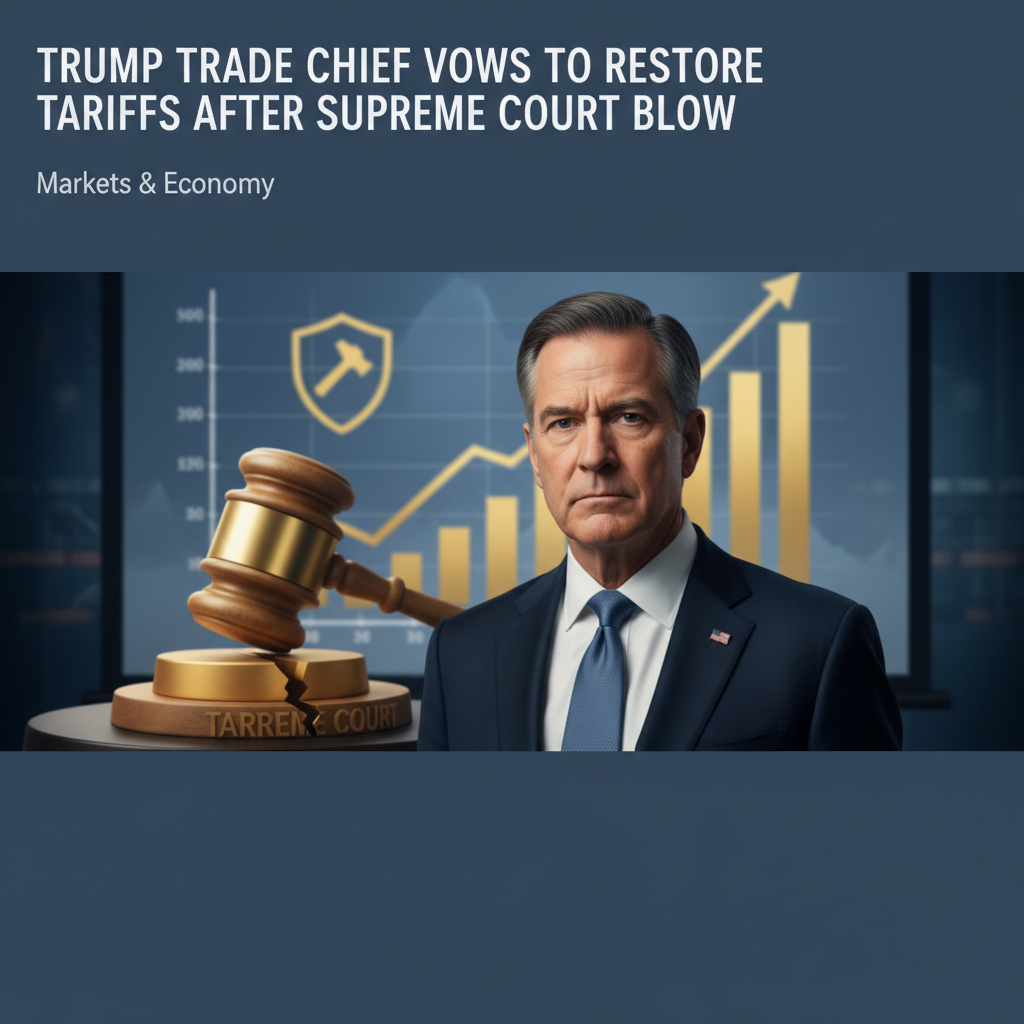
  • Supreme Court Limits Trump’s Tariff Power

    The Supreme Court issued a significant ruling on Friday, curtailing Donald Trump’s authority on trade. The decision, concerning cases challenging Trump’s use of tariffs, specifically addressed the scope of presidential power under the International Emergency Economic Powers Act.

    This ruling is a notable development for several reasons. Primarily, it directly impacts the ability of future presidents to unilaterally impose tariffs. The cases before the court questioned the legality of Trump’s tariff actions. The court’s decision will likely influence how future administrations approach trade policy, potentially requiring greater congressional oversight or limiting the scope of executive action.

    The Supreme Court’s decision arrives amidst an ongoing debate about the balance of power between the executive and legislative branches, particularly in matters of trade and international relations. The implications extend beyond just tariffs. The ruling could influence other areas where the president claims broad authority, requiring a reevaluation of the checks and balances within the government. This ruling underscores the importance of understanding the legal boundaries of presidential power.

    The core of the legal debate centers on the interpretation of the International Emergency Economic Powers Act. The act grants the president certain powers during a declared national emergency, but the specifics of how these powers can be used have been subject to legal challenges. The Supreme Court clarified the limits of this power in this landmark tariff case.

    The impact of this decision will likely be felt across the economy. Changes to tariff structures can affect international trade flows, potentially leading to adjustments in import and export prices, and influencing the competitiveness of various industries. Businesses and investors will undoubtedly be watching to understand the long-term effects on trade relationships and economic stability.

    In conclusion, the Supreme Court’s ruling is a significant event with broad implications for trade policy and the balance of power. The decision will require careful consideration by policymakers, businesses, and anyone interested in the future of the U.S. economy. The long-term effects of this ruling are still unfolding, but it is clear that Trump’s trade agenda has suffered a notable setback.

  • Cuba’s Cigar Fair Postponed: Fuel Crisis & US Sanctions

    The news came mid-morning, a quiet ripple in a market already jittery. Cuba, the home of world-renowned cigars, was postponing its annual cigar fair, an event that usually draws thousands and generates significant revenue. The official reason? Fuel shortages and widespread blackouts. But the underlying cause, as anyone in the industry knows, is the ongoing economic pressure from the United States.

    This year, the fair, a key event for the Cuban economy, was slated to happen in February. Now, it’s indefinitely delayed. The ramifications are complex.

    The US has maintained a long-standing trade embargo against Cuba, and in recent years, this has tightened, particularly concerning oil imports. As a result, the island nation has been struggling with severe fuel shortages, leading to rolling blackouts that disrupt daily life and cripple businesses. This, in turn, has made it impossible to host an event of the fair’s scale.

    The impact is multi-layered. First, there’s the direct loss of revenue from the fair itself — the exhibitors, the tourists, the sales. Then, there’s the indirect damage to the Cuban cigar industry’s reputation and sales. It’s a blow to a sector that, in 2023, generated over $500 million in revenue, according to industry reports. This figure is now at risk.

    “The situation in Cuba is undeniably challenging,” said Dr. Maria Elena Garcia, an economist at the Center for Cuban Studies. “The US sanctions have created a chokehold, and the fuel shortages are the visible symptom. This postponement is just one example of the broader economic strain.”

    The postponement also reflects the broader economic fragility. It’s not just about the cigars; it’s about the entire ecosystem that supports them: the farmers, the factories, the exporters, and the tourism infrastructure that helps bring in the buyers. They all depend on a stable environment, which is increasingly hard to find.

    The postponement is a clear indicator of the economic realities. Or maybe it’s a sign of things to come.

    The ripple effects are being felt in global markets. The price of Cuban cigars, already premium, may increase further. Buyers are now scrambling to secure supplies, and the uncertainty is making it difficult to plan. The international cigar trade is a delicate dance, and the current situation has thrown a wrench into the works. It is all sort of up in the air.

    The postponement also highlights the political dimensions. The US policy is a constant, and this is a clear demonstration of how it’s affecting the Cuban economy.

    The postponement of the cigar fair is a moment to watch, a sign of the times.

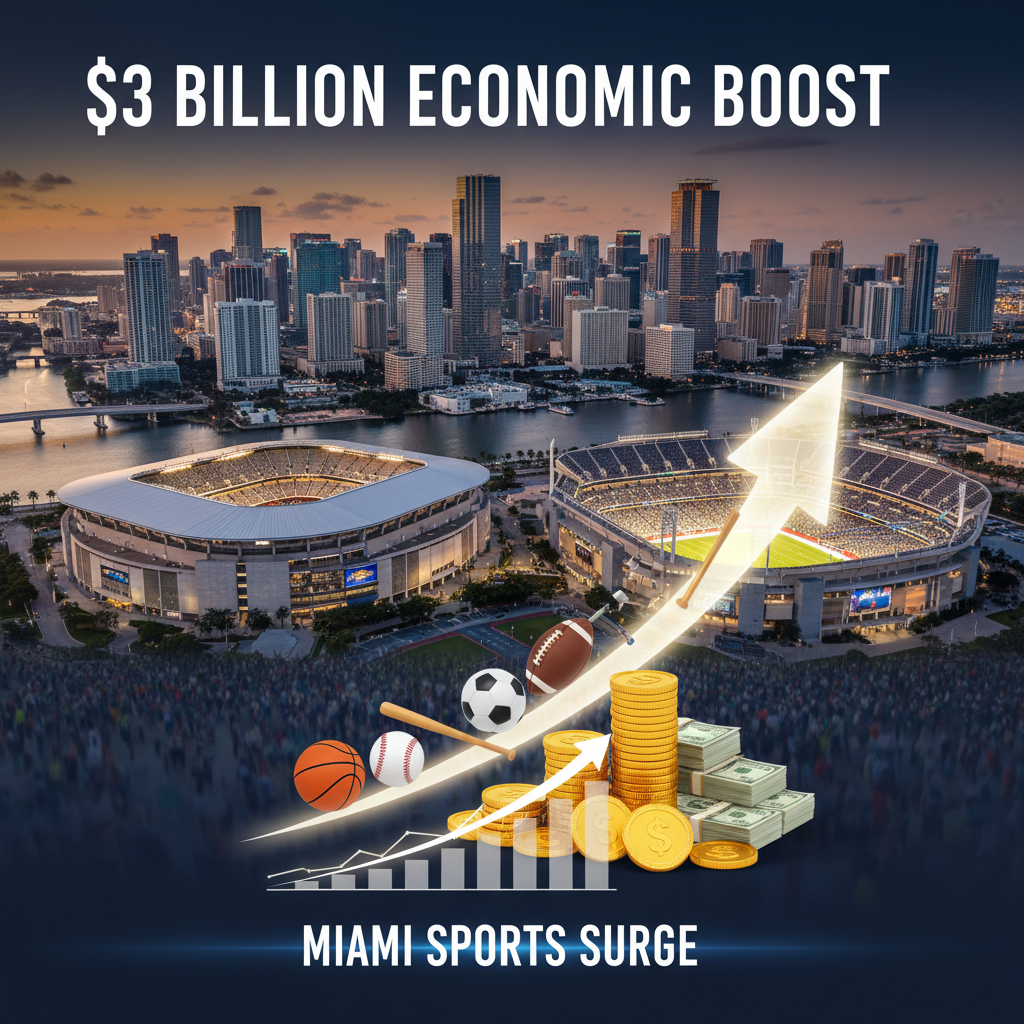
  • Miami to Get $3B Economic Boost from Sports Events

    Miami to Get $3B Economic Boost from Sports Events

    Miami is gearing up for a significant economic windfall, with a projected $3 billion boost expected from its robust lineup of sporting events, positioning the city as a top-tier sports tourism destination. This surge is fueled by a series of high-profile events, including the 2026 College Football Playoff National Championship, which could see former President Donald Trump in attendance.

    The strategic positioning of Miami and South Florida to host major sporting events highlights a concerted effort to leverage sports for economic growth. The influx of tourists and media attention associated with these events is expected to generate substantial revenue for local businesses, create jobs, and enhance the city’s global profile. Miami’s appeal as a destination is further amplified by its favorable climate, vibrant culture, and extensive infrastructure, making it an attractive location for both athletes and spectators.

    The economic impact stems from various sources, including ticket sales, hotel bookings, dining, transportation, and retail spending. The events also serve as a catalyst for infrastructure development and urban revitalization, as the city invests in upgrades to accommodate the influx of visitors. The convergence of these factors is expected to create a virtuous cycle of economic activity, benefiting a wide range of stakeholders.

    The anticipation surrounding the 2026 College Football Playoff National Championship, and the potential presence of figures like Trump, further elevates the event’s profile, drawing national and international attention. This level of exposure is invaluable for Miami, as it solidifies its reputation as a leading destination for major sporting events. The success of these events is a testament to the city’s ability to attract and manage large-scale gatherings, reinforcing its position in the global sports arena.

    In conclusion, Miami’s strategic focus on sports tourism is poised to deliver significant economic benefits. The city’s ability to attract major events, coupled with its inherent appeal as a destination, positions it for sustained growth in the years to come. The projected $3 billion economic boost underscores the transformative potential of sports to drive economic development and enhance Miami’s standing on the world stage.

  • Asia-Pacific Markets Eye Fed Rate Decision

    Asia-Pacific Markets Anticipate Fed Rate Decision

    Asia-Pacific markets are gearing up for a potentially positive trading day, with investors keenly focused on the Federal Reserve’s upcoming interest rate decision. This anticipation is a key driver for market activity, as the financial world awaits the Fed’s next move. The announcement, expected later in the day, is a pivotal moment for the global economy.

    Investors Eye the Federal Reserve’s Announcement

    The primary focus of market participants is the Federal Reserve’s stance on interest rates. Investors are carefully assessing the potential implications of any changes, as these decisions can significantly impact market dynamics. The uncertainty surrounding these decisions often leads to increased market volatility, making it a critical time for traders and analysts.

    The Asia-Pacific region, a significant player in the global economy, is particularly sensitive to these monetary policy shifts. The markets in this region, including major indexes, are expected to react to the Fed’s announcement. The current market behavior reflects the investors’ cautious optimism, hoping for stability and clear guidance from the Federal Reserve.

    What to Watch For

    As the day progresses, several key factors will likely influence market movements. The specific details of the Federal Reserve’s interest rate decision, along with any accompanying commentary from the Federal Reserve, will be crucial. Investors will be dissecting the information for clues about future economic trends and potential policy adjustments. This information is critical for making informed decisions in the fast-paced world of finance.

    The interplay between global economic indicators and the Federal Reserve’s policy will shape the market’s response. The markets’ reaction to these factors will be a key indicator of investor sentiment and confidence. This period underscores the interconnectedness of global financial markets and the importance of understanding central bank policies.

    Looking Ahead

    The Federal Reserve’s interest rate decision, expected on October 29, 2025, will set the stage for market activity in the coming weeks. Investors will likely adjust their strategies based on the outcome, and market analysts will offer their interpretations. The focus will remain on the long-term impact of these financial policies on various sectors of the economy.

    The Asia-Pacific markets, in particular, will be closely monitored, given their significant role in the global economy. As the day unfolds, the financial community will be watching how investors interpret the Federal Reserve’s announcement. This is a critical moment for understanding the short-term and long-term implications of financial policies.

  • What to Expect from Apple’s iPhone 17: Design Changes, Price, and Release Date

    As the tech world buzzes with anticipation, Apple is set to unveil its latest creation: the iPhone 17 series. With a smartphone launch just around the corner, enthusiasts and loyal customers are eager to discover what innovative features and design changes await them. This year, Apple is expected to introduce not only the standard iPhone 17 but also the much-anticipated iPhone 17 Air and the Pro release, each promising to elevate the smartphone experience. In this explainer, we will delve into the expected design changes, pricing, and release date of the iPhone 17 series.

    **Design Changes**
    Apple has always been known for its sleek and stylish designs, and the iPhone 17 series is no exception. Rumors suggest that the iPhone 17 will feature a thinner profile and a more refined finish, with new color options that cater to a broader audience. The introduction of the iPhone 17 Air is particularly exciting, as it is expected to be lighter and more portable, making it an ideal choice for users who prioritize ease of use on the go. Additionally, the Pro model is rumored to incorporate advanced materials and enhanced durability, ensuring that it not only looks stunning but also stands the test of time.

    **Price Expectations**
    When it comes to pricing, Apple typically positions its new devices at a premium. The iPhone 17 is expected to start at a price point similar to its predecessor, the iPhone 16, while the iPhone 17 Air may offer a more budget-friendly option without compromising on quality. The Pro release, packed with high-end features, is likely to command a higher price, appealing to tech enthusiasts who seek the latest advancements in smartphone technology.

    **Release Date**
    Apple has a longstanding tradition of launching new iPhones in September, and this year appears to be no different. Speculation suggests that the official announcement of the iPhone 17 series will take place in the early part of September, with pre-orders starting shortly thereafter. Fans are eagerly awaiting the day they can get their hands on these new devices, as Apple continues to push the envelope on what smartphones can achieve.

    In conclusion, the upcoming launch of the iPhone 17 series is generating significant excitement among consumers and tech aficionados alike. With promising design changes, competitive pricing, and a timely release date, Apple is poised to make a significant impact in the smartphone market once again. Stay tuned for more updates as the launch date approaches, and get ready to experience the future of mobile technology with the iPhone 17 series.