
CloudTalk

Tag: mergers and acquisitions

  • Musk’s Power Play: Reshaping Founder Control in Tech

    Musk’s Power Play: Reshaping Founder Control in Tech

    It feels like a new era is unfolding, or maybe it’s always been this way, just accelerating. The merger of SpaceX and xAI, orchestrated by Elon Musk, is more than a simple corporate maneuver. It’s a statement, a flag planted in the shifting sands of Silicon Valley’s power structure.

    The numbers are staggering. Musk’s net worth, hovering around $800 billion, rivals the peak market cap of historic conglomerates like GE. This isn’t just about wealth; it’s about control, velocity, and the potential to reshape entire industries. And the speed of it all is, frankly, breathtaking.

    Officials at the Urban-Brookings Tax Policy Center have been watching this closely, noting the complex interplay of tax law and founder influence. “There’s a clear ambition to consolidate power,” one analyst said, “but the implications for the market are still unfolding.”

    Musk’s stated belief that “tech victory is decided by velocity of innovation” seems to be the guiding principle. This isn’t just about building companies, it’s about building empires. The ability to move fast, to fail fast, and to iterate quickly – that’s the new currency.

    The details are still emerging, but the core strategy is clear. By merging SpaceX and xAI, Musk is creating a personal conglomerate, a vertically integrated machine designed to push the boundaries of technology and, in the process, rewrite the rules of founder power.

    There is a certain tension in the air. The whispers of old guard investors, the hushed tones on analyst calls, the subtle shift in market sentiment. It’s hard to ignore. The question now becomes: How far can this go? What are the limits? Or maybe there are none.

    The impact is already being felt. Mergers and acquisitions are happening at a rapid pace, and the flow of capital is changing. Incentives are shifting too, as reported by the Lilly Family School of Philanthropy. And it’s all happening very, very quickly.

    This isn’t just a business story, it’s a social experiment. And the world is watching, quietly wondering what comes next.
  • Carbon Credit Market: Consolidation & Uncertainty

    Carbon Credit Market: Consolidation & Uncertainty

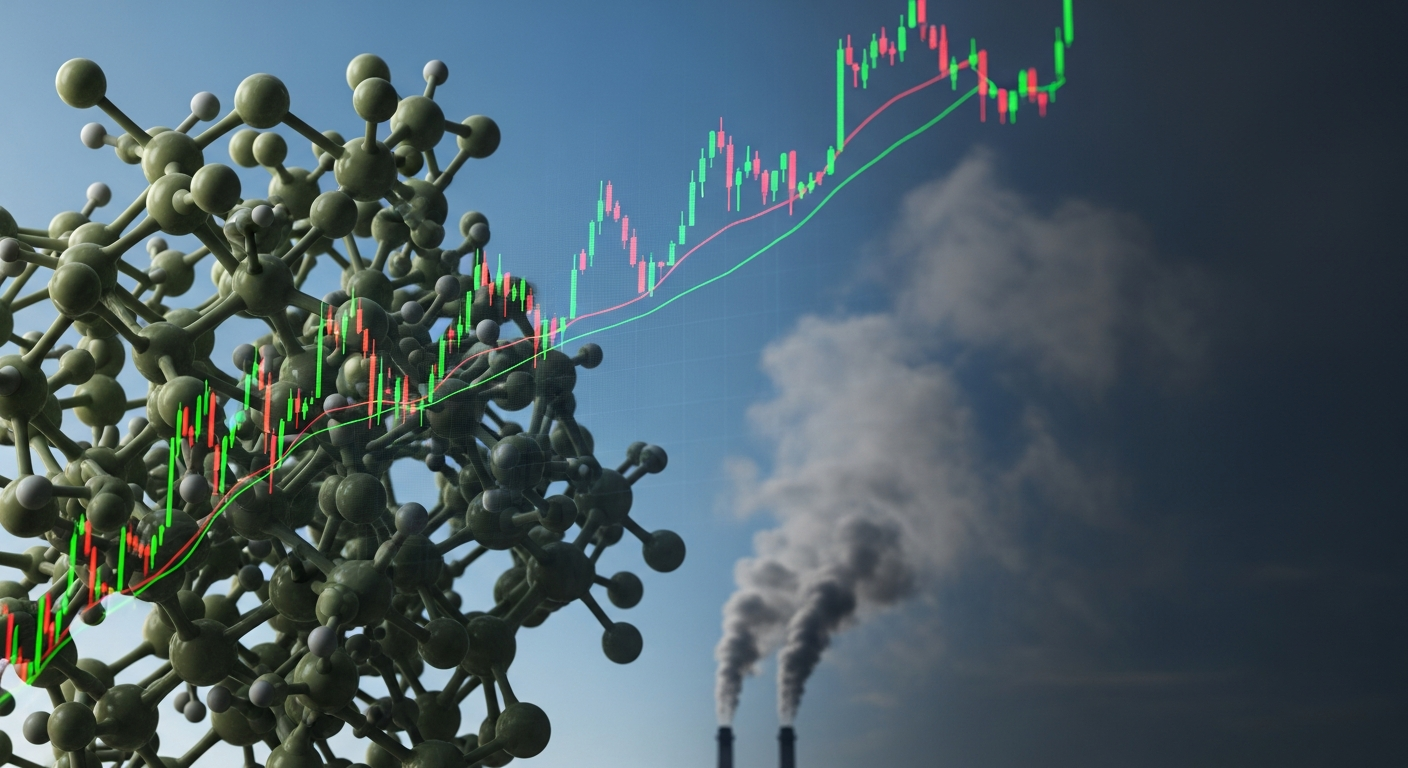
    So, the carbon credit market — it’s changing, isn’t it? Seems like just yesterday everyone was talking about the gold rush, and now? Well, now we’re seeing some serious consolidation. Carbon Direct is buying Pachama, and honestly, it feels like a turning point.

    It’s not exactly a surprise, though. The voluntary carbon markets have been, you know, a bit of a wild west. Lots of players, lots of different standards, and a whole lot of questions about the actual impact of it all. This move by Carbon Direct, though… it’s different. It’s like a signal that the big players are starting to really dig in, ready to shape the future.

    And what does that future look like? That’s the million-dollar question, isn’t it? The TechCrunch article, published November 10, 2025, points to a period of uncertainty. You can feel it, too. There’s a lot of scrutiny on carbon credits right now, with folks wondering if they’re actually doing what they claim to do. Are we really offsetting emissions? Or are we just, well, shuffling numbers around?

    The Players and the Stakes

    Carbon Direct, for those who don’t know, is a climate solutions company. Pachama? They’re all about using tech to verify and manage carbon offset projects. So, in a way, it makes sense. A company that provides the credits, merging with one that helps to validate them. It seems logical, you could say.

    But it’s bigger than that, I think. This whole thing is about trust. The voluntary carbon markets need it. They need it badly. If companies can’t trust the credits, they won’t buy them. If investors aren’t confident, they’ll pull back. And that would be a problem, wouldn’t it? Because these markets, in theory, are supposed to be a key part of the fight against climate change.

    What Does This Mean for the Future?

    So, what happens next? Well, we’ll probably see more of this. More mergers, more acquisitions. The market is maturing, and that means some players will inevitably get squeezed out. The stronger, more established companies, like Carbon Direct, will likely swallow up the smaller ones, or at least partner up.

    This consolidation could be a good thing, you know? It could lead to more standardization, more transparency. Maybe it’ll help to weed out some of the, let’s say, less credible projects. It could also mean that the cost of carbon credits goes up, as the market becomes more concentrated. That’s something to watch.

    And then there’s the whole issue of demand. Will companies continue to buy carbon credits? Will they be willing to pay more? It all depends on the regulations, the public perception, and, of course, the actual effectiveness of these projects. It’s a complex web, for sure.

    A Changing Landscape

    The TechCrunch piece mentions this shift, and I think it’s spot on. The article really captures that feeling of a market in flux. It’s a bit like watching a storm gather. You can see the clouds rolling in, the wind picking up. You know something big is about to happen, but you can’t quite predict where the lightning will strike.

    So, yeah, the carbon credit market. It’s a story that’s still being written. And right now, it feels like a chapter is closing, and a new one is just beginning. For now, we wait and see what the future holds.