Tag: robots

  • Upside Robotics: Solar Robots Revolutionize Corn Farming

    Upside Robotics: Solar Robots Revolutionize Corn Farming

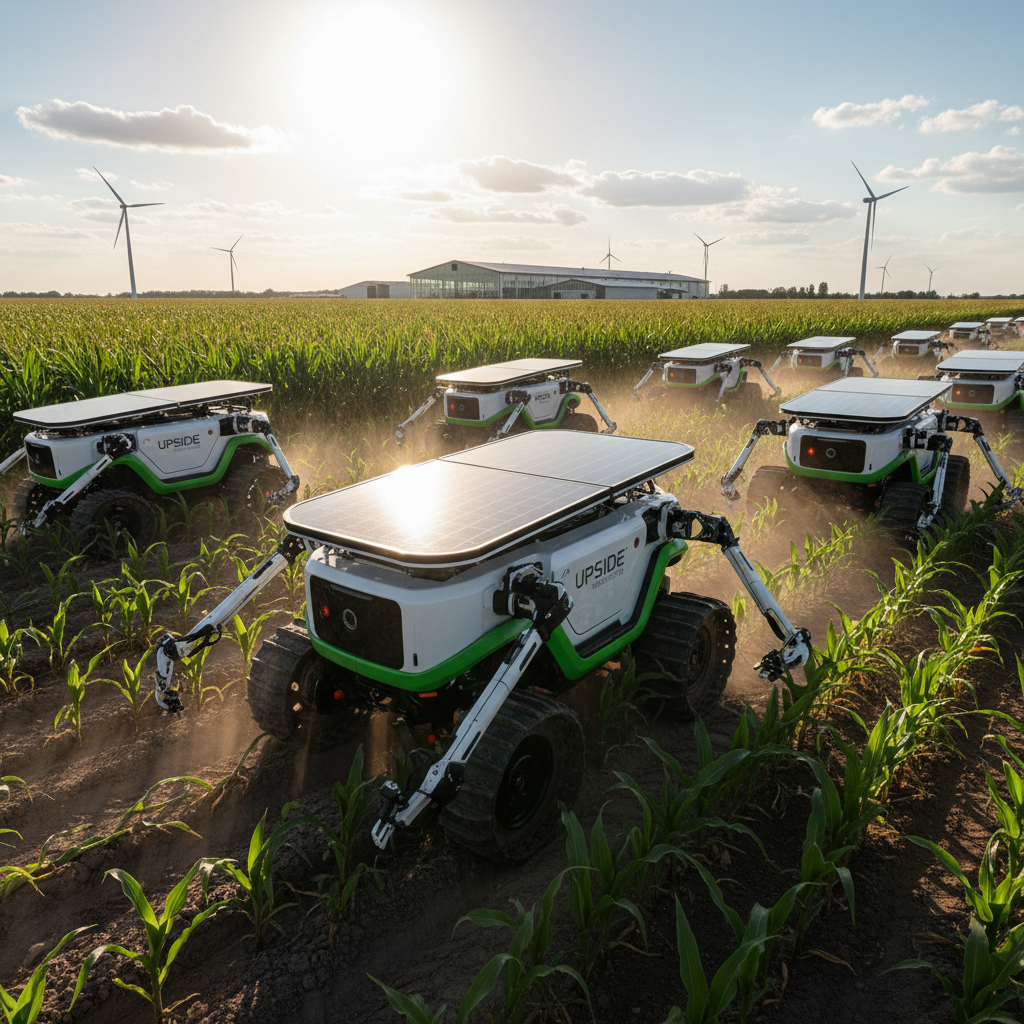
    The hum of the solar panels was almost imperceptible over the whir of the prototype robot as it navigated the cornfield. Earlier this month, Upside Robotics showcased its latest iteration, designed to autonomously manage fertilizer application. The goal? To slash fertilizer use by up to 70%, as per company reports.

    The company, founded in 2024, has been quietly testing its technology across various test farms. The core innovation lies in the robots’ ability to analyze soil conditions and plant health in real-time. This data-driven approach allows for precision fertilizer application, targeting only the areas that need it. It’s a smart system.

    “We’re not just reducing waste; we’re optimizing resource allocation,” explained Dr. Anya Sharma, lead engineer at Upside Robotics, during a recent press briefing. “Our robots use advanced sensors and AI to understand the unique needs of each plant.” This localized approach minimizes environmental impact, reducing runoff and protecting water quality. A win-win, really.

    The market context is significant. Fertilizer prices have been volatile, and the demand for sustainable agricultural practices is growing. Analysts at AgriTech Insights project a 25% increase in demand for precision agriculture technologies over the next five years. Seems like a good time for Upside Robotics.

    The robots themselves are solar-powered, adding another layer of sustainability. They operate independently, requiring minimal human intervention once deployed. This is where it gets interesting: the robots are designed to work in swarms, covering large areas efficiently. Each robot is equipped with a suite of sensors, including hyperspectral cameras and soil nutrient detectors. These sensors feed data to an onboard AI system, which then determines the optimal fertilizer application rate. Or, at least, that’s the current model.

    The implications are far-reaching. Reduced fertilizer use translates to lower input costs for farmers and a smaller carbon footprint. The technology also has the potential to improve crop yields by ensuring plants receive the precise nutrients they need. And, of course, the technology is still developing.

    Still, there are challenges. The initial investment in the robots can be substantial, and the technology requires a reliable internet connection for data transmission. But the potential benefits, both economic and environmental, are compelling. The company is planning a wider rollout in 2027, according to a recent statement.
  • Terraforming Robots: Protecting Cities from Rising Seas

    Terraforming Robots: Protecting Cities from Rising Seas

    There’s been a lot of talk lately about climate change, and honestly, it’s pretty scary stuff. Sea levels are rising, and that means a lot of cities are facing some serious flooding risks. But what if there was a way to fight back, to adapt, to… well, terraform?

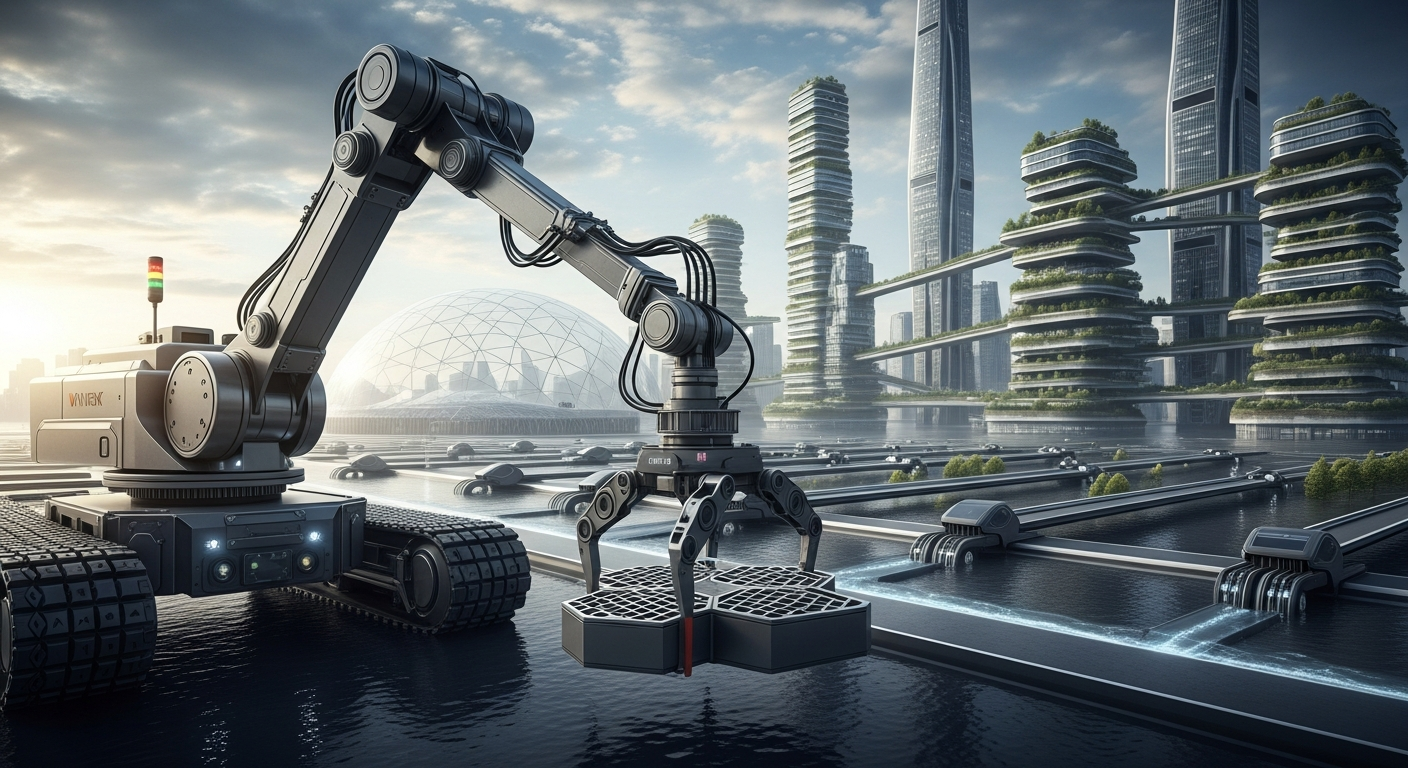
    That’s the idea behind Terranova, a startup that’s got a pretty wild plan: use robots to raise cities. Instead of building the usual seawalls and dikes, they’re proposing a completely different approach. It’s a bold move, and it’s definitely caught my attention.

    I read about it in a TechCrunch article, which focused on the founder’s vision and how these terraforming robots might actually work. The basic concept is to use technology to physically lift the city, creating a buffer against rising tides. It’s like something out of a sci-fi movie, right?

    Now, I’m no engineer, but the idea is fascinating. The article didn’t go into the nitty-gritty details of the technology, but the core concept is pretty clear: robots, working in concert, would essentially reshape the landscape beneath the city. They’d add layers, elevate structures, and hopefully, buy us some time against the inevitable.

    Of course, this raises a ton of questions. How do you actually do this? What about existing infrastructure? And, of course, the big one: how much would it cost? The article didn’t have all the answers, but it did paint a picture of a future where technology is actively fighting back against the effects of climate change. It’s an interesting shift from simply reacting to the problem.

    The article mentioned San Rafael as a potential testing ground, which makes sense. Cities like that are already dealing with the pressures of rising sea levels. It’s a real problem, and finding solutions is more critical than ever. It’s not just about protecting property; it’s about preserving communities and ways of life.

    The Bigger Picture

    What really struck me was the shift in thinking. We’re so used to dealing with climate change by mitigating emissions or building defenses. This is different. This is about adapting the physical world. It’s about being proactive, not just reactive.

    The potential implications are pretty huge. If Terranova’s approach works, it could be a game-changer for coastal cities around the world. It could mean the difference between abandonment and survival for countless communities. It’s a big if, of course, but the potential payoff is enormous.

    I was thinking about the implications. It’s not just about the technology itself. It’s about urban planning, engineering, and the environment all coming together. It’s about finding innovative ways to address the challenges we face. It’s easy to see why this is so compelling.

    The article also touched on the ethics of this kind of intervention. Who decides which cities get “saved”? What are the environmental consequences of such large-scale terraforming? These are important questions, and the answers will be critical to the success of any project like this.

    But still, the core idea — using technology to actively reshape our environment to protect ourselves — is a powerful one. It’s a testament to human ingenuity and our capacity to adapt. It’s a reminder that even when faced with seemingly insurmountable challenges, there are always new ideas, new approaches, and new possibilities. It’s a really interesting thought, and honestly, the whole thing is just pretty wild.