Tag: SaaS

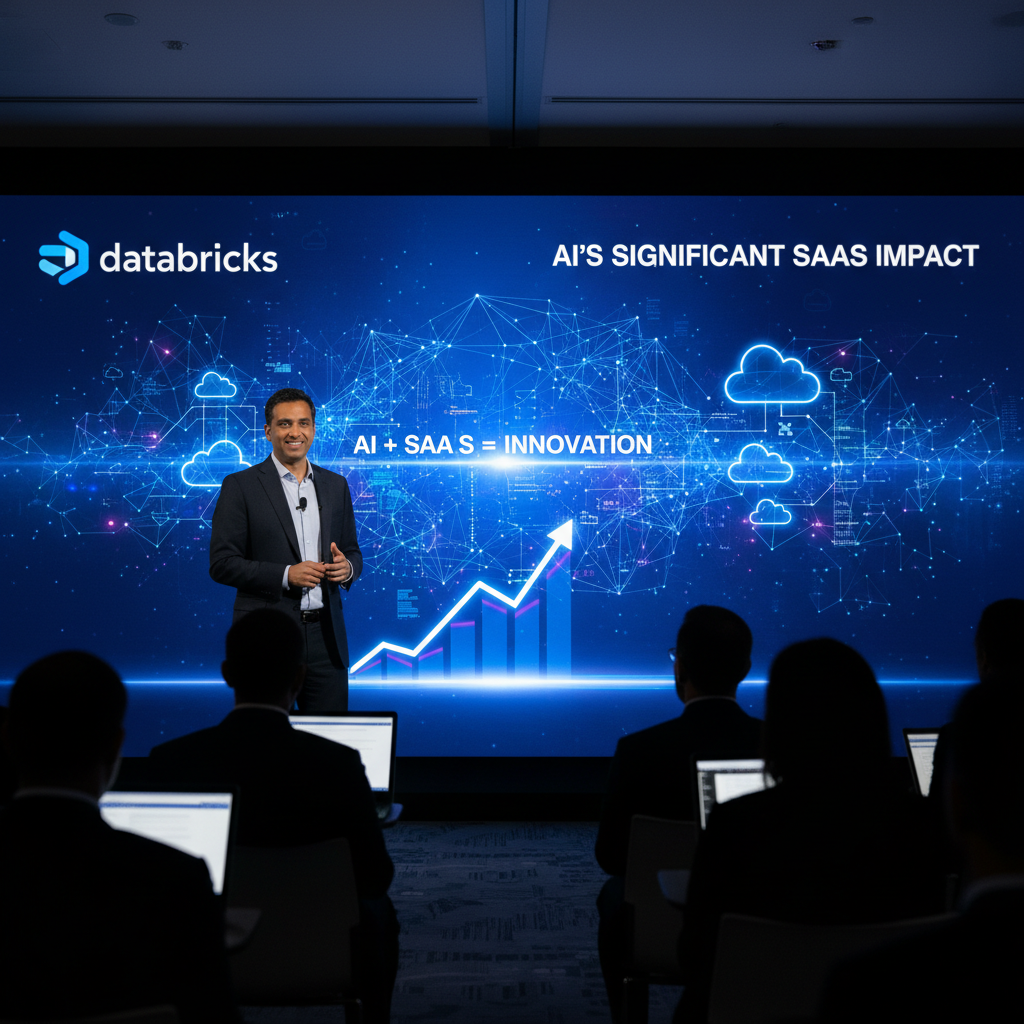
  • Databricks CEO: AI Will Significantly Impact SaaS

    Databricks CEO: AI Will Significantly Impact SaaS

    Databricks CEO: AI’s Impact on SaaS Will Be Significant

    The tech landscape is always in flux, and the rise of artificial intelligence is poised to reshape yet another sector: Software as a Service (SaaS). Ali Ghodsi, CEO of Databricks, recently shared his perspective on the future of SaaS, suggesting that while the technology isn’t immediately doomed, its relevance is on the cusp of significant change. The core of Ghodsi’s argument centers on the transformative potential of AI to alter the competitive dynamics within the software industry.

    AI’s Indirect Challenge to SaaS

    Ghodsi doesn’t foresee a scenario where AI directly replaces major SaaS applications with AI-powered versions. Instead, he believes that AI will be a catalyst for new competition. This perspective implies that AI’s impact on SaaS will be more nuanced, creating opportunities for fresh approaches and innovative solutions. The potential for AI to disrupt the SaaS market lies in its ability to enable the creation of more efficient, specialized, or user-friendly software offerings. The current SaaS giants will likely face pressure from agile competitors leveraging AI to deliver superior value propositions.

    The Evolving Role of SaaS

    SaaS has become a cornerstone of modern business operations. Its appeal lies in its accessibility, scalability, and cost-effectiveness. However, the emergence of AI introduces new dimensions to these considerations. The ability of AI to automate tasks, personalize user experiences, and provide data-driven insights could redefine the benchmarks for software effectiveness. SaaS providers must adapt to these new standards to remain competitive. This could involve integrating AI into their existing platforms or developing entirely new AI-driven products.

    The shift towards AI also poses questions about the future of software development itself. Could AI tools accelerate the development process, making it easier and faster to create and deploy new software solutions? If so, this could further intensify the competition within the SaaS market. Established SaaS companies may need to invest heavily in AI capabilities to maintain their market positions, potentially through acquisitions, partnerships, or internal development projects. The focus will likely shift from simply providing software to delivering intelligent solutions that anticipate user needs and optimize performance.

    Implications for the Tech Industry

    Ghodsi’s insights have broad implications for the tech industry. They highlight the importance of staying informed about AI developments and understanding how these advancements can be applied in various business contexts. For SaaS companies, this means proactively exploring the potential of AI and integrating it into their strategies. For investors, it suggests a need to re-evaluate the landscape and identify companies that are well-positioned to capitalize on AI-driven opportunities. The software industry is on the verge of a significant transformation, and those who adapt quickly will be best positioned for success.

    Conclusion

    Ali Ghodsi’s assessment provides a valuable perspective on the future of SaaS. While the technology isn’t facing immediate obsolescence, the rise of AI is poised to reshape the competitive landscape. SaaS providers must embrace AI to remain relevant and competitive. This shift presents both challenges and opportunities for the tech industry, underscoring the importance of innovation, adaptability, and a forward-thinking approach.

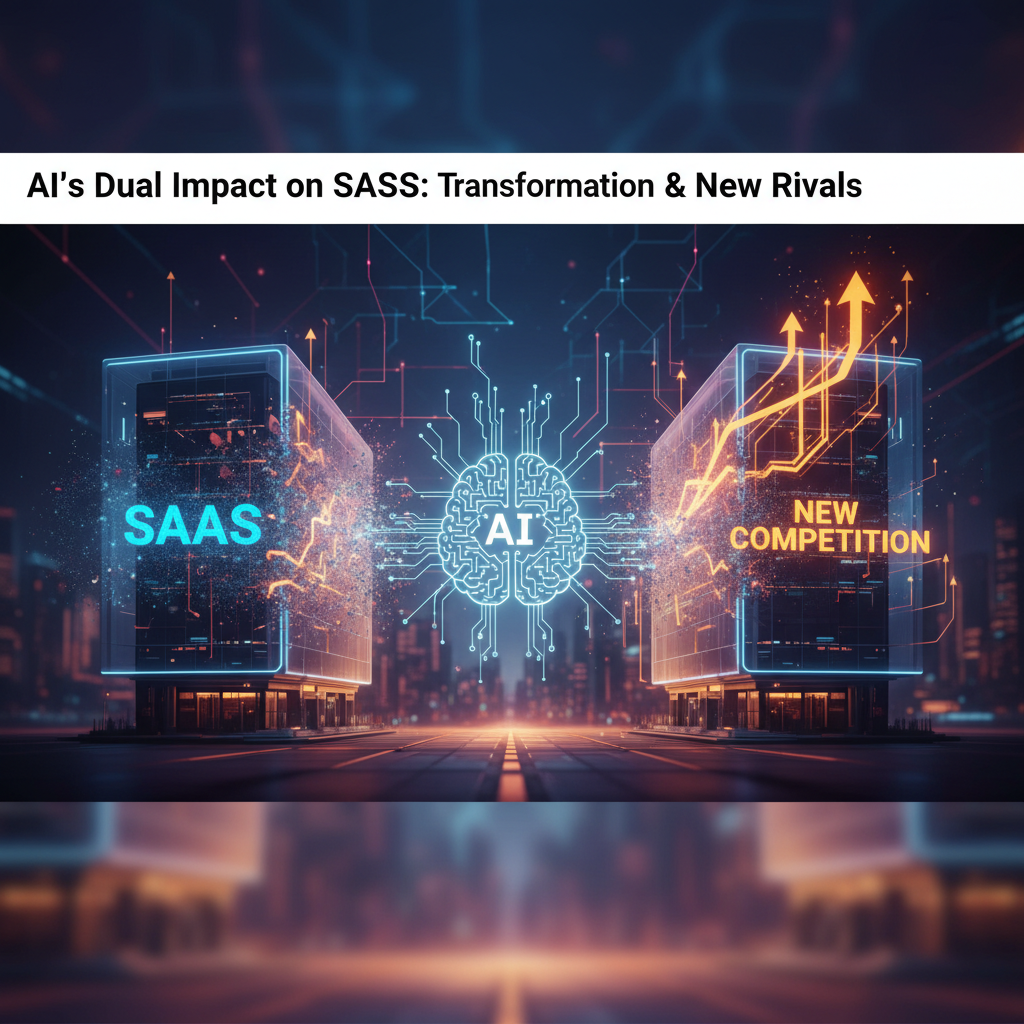
  • Databricks CEO: AI Will Spark New SaaS Competition

    Databricks CEO: AI Will Spark New SaaS Competition

    Databricks CEO: AI Won’t Kill SaaS, but Will Spark New Competition

    The software landscape is constantly evolving, and the rise of artificial intelligence (AI) is set to be a major catalyst for change. According to Ali Ghodsi, CEO of Databricks, the existing Software as a Service (SaaS) model isn’t going away anytime soon. However, he believes AI will fundamentally alter the competitive dynamics within the industry. This shift, as Ghodsi suggests, will likely lead to the emergence of new competitors rather than the outright replacement of established SaaS giants.

    The Current State of SaaS

    SaaS has revolutionized how businesses access and utilize software. Instead of purchasing and maintaining software licenses, companies subscribe to applications hosted on the cloud. This model offers numerous benefits, including cost savings, scalability, and ease of use. Major players in the SaaS market, such as Salesforce, Microsoft, and Adobe, have built robust ecosystems and established strong market positions. Their success underscores the value and convenience of the SaaS approach.

    AI’s Impact on the Future

    While Ghodsi doesn’t foresee AI immediately rendering SaaS obsolete, he anticipates significant changes. The core idea is that AI will empower new entrants to challenge the status quo. This could involve developing AI-powered solutions that offer similar functionalities but with enhanced capabilities, improved user experiences, or more competitive pricing. The key here is not necessarily to replace existing SaaS products, but to provide superior alternatives that leverage the power of AI.

    The potential for disruption is significant. AI-driven applications can automate tasks, personalize user experiences, and provide data-driven insights with unprecedented accuracy. These advancements can lead to more efficient workflows, improved decision-making, and ultimately, greater value for customers. As AI technology continues to mature, we can expect to see an acceleration of innovation and a diversification of the software market.

    Potential New Competitors

    The entry barrier for new players is lowering, thanks to the accessibility of AI tools and cloud infrastructure. This creates opportunities for startups and established tech companies to develop AI-powered software solutions that can compete with existing SaaS offerings. This could result in a more fragmented market with a wider range of specialized applications catering to specific needs.

    One can imagine a scenario where AI-driven platforms can provide tailored services at a fraction of the cost, making them more attractive to smaller businesses or specific departments within larger organizations. This would represent a significant competitive threat to incumbent SaaS providers, who may need to adapt and innovate to stay ahead.

    The Future Landscape

    The shift towards AI-powered software is poised to reshape the technology industry. While established SaaS companies will likely remain relevant, the emergence of new competitors will create a more dynamic and competitive market. This evolution presents both challenges and opportunities for businesses and consumers alike. The key to success in this changing landscape will be adaptability, innovation, and a willingness to embrace the potential of AI.

    Ali Ghodsi’s insights offer a valuable perspective on the future of SaaS and the role of AI. As the technology continues to advance, the software industry will undoubtedly undergo further transformation. Staying informed about these trends and adapting to the changes will be essential for businesses looking to thrive in the years to come.

    Source: TechCrunch

  • AI Security Innovations on Google Cloud: Partner-Built Analysis

    AI Security Innovations on Google Cloud: Partner-Built Analysis

    Partner-Built AI Security Innovations on Google Cloud: An Analysis of the Evolving Threat Landscape

    ## The Future of Cloud Security: AI Innovations on Google Cloud

    The cloud computing landscape is in constant flux, presenting both unprecedented opportunities and formidable security challenges. As organizations increasingly migrate their data and operations to the cloud, the need for robust and intelligent security measures becomes ever more critical. This report analyzes the current state of cloud security, focusing on the rise of AI-powered solutions developed by Google Cloud partners and the strategic implications for businesses.

    ### The Genesis of Cloud Computing and Its Security Imperatives

    Cloud computing has rapidly transformed the technological landscape, from government agencies to leading tech companies. Its widespread adoption stems from its ability to streamline data storage, processing, and utilization. However, this expansive adoption also introduces new attack surfaces and security threats. As a research paper published on arXiv, “Emerging Cloud Computing Security Threats” (http://arxiv.org/abs/1512.01701v1), highlights, cloud computing offers a novel approach to data management, underscoring the need for continuous innovation in cloud security to protect sensitive information and ensure business continuity. This evolution necessitates a proactive approach to security, focusing on innovative solutions to safeguard data and infrastructure.

    ### Market Dynamics: The AI Shadow War and the Rise of Edge Computing

    The architecture of AI is at the heart of a competitive battleground: centralized, cloud-based models (Software-as-a-Service, or SaaS) versus decentralized edge AI, which involves local processing on consumer devices. A recent paper, “The AI Shadow War: SaaS vs. Edge Computing Architectures” (http://arxiv.org/abs/2507.11545v1), analyzes this competition across computational capability, energy efficiency, and data privacy, revealing a shift toward decentralized solutions. Edge AI is rapidly gaining ground, with the market projected to grow from $9 billion in 2025 to $49.6 billion by 2030, representing a 38.5% Compound Annual Growth Rate (CAGR). This growth is fueled by increasing demands for privacy and real-time analytics. Key applications like personalized education, healthcare monitoring, autonomous transport, and smart infrastructure rely on the ultra-low latency offered by edge AI, typically 5-10ms, compared to the 100-500ms latency of cloud-based systems.

    ### Key Findings: Edge AI’s Efficiency and Data Sovereignty Advantages

    The “AI Shadow War” paper underscores edge AI’s significant advantages. One crucial aspect is energy efficiency; modern ARM processors consume a mere 100 microwatts for inference, compared to 1 watt for equivalent cloud processing, representing a 10,000x efficiency advantage. Furthermore, edge AI enhances data sovereignty by processing data locally, eliminating single points of failure inherent in centralized architectures. This promotes democratization through affordable hardware, enables offline functionality, and reduces environmental impact by minimizing data transmission costs. These findings underscore the importance of considering hybrid architectures that leverage the strengths of both cloud and edge computing for optimal security and performance.

    ### Industry Analysis: The Strategic Importance of AI-Driven Security

    The convergence of cloud computing and AI is fundamentally reshaping the cybersecurity landscape. The ability to leverage AI for threat detection, vulnerability assessment, and automated incident response is becoming a critical differentiator. As the volume and sophistication of cyber threats increase, organizations must adopt intelligent security solutions to stay ahead. This involves not only the implementation of advanced technologies but also strategic partnerships with providers who offer AI-powered security innovations.

    ### Competitive Landscape and Market Positioning

    Google Cloud, alongside its partners, is strategically positioned to capitalize on the growing demand for AI-driven security solutions. By offering a robust platform for building and deploying AI models, Google Cloud empowers partners to develop innovative security products. The ability to integrate these solutions seamlessly with existing cloud infrastructure provides a significant competitive advantage. As the “AI Shadow War” unfolds, Google Cloud’s focus on hybrid cloud and edge computing solutions will be crucial in maintaining its market position. The emphasis on data privacy and security, combined with the power of AI, is a compelling value proposition for businesses seeking to protect their digital assets.

    ### Emerging Trends and Future Developments

    The future of cloud security is inextricably linked to advancements in AI and machine learning. We can anticipate the emergence of more sophisticated threat detection models, automated incident response systems, and proactive security measures. The integration of AI into all aspects of the security lifecycle, from threat prevention to incident recovery, will be a key trend. Furthermore, the development of more secure and efficient edge computing architectures will play a vital role in the overall security landscape. The trend towards hybrid cloud and edge computing ecosystems will likely accelerate as organizations seek to balance the benefits of centralization with the advantages of decentralization.

    ### Strategic Implications and Business Impact

    For businesses, the strategic implications of these trends are significant. Organizations must prioritize the adoption of AI-powered security solutions to protect their data and infrastructure. Investing in cloud platforms that offer robust AI capabilities, such as Google Cloud, is crucial. Furthermore, businesses should consider developing or partnering with providers of edge AI solutions to enhance data privacy and reduce latency. The ability to adapt to the evolving threat landscape and leverage AI-driven security will be critical for business success in the years to come. Organizations that embrace these technologies will be better positioned to mitigate risks, improve operational efficiency, and maintain a competitive edge.

    ### Future Outlook and Strategic Guidance

    The future of cloud security is promising, with AI and edge computing poised to play an increasingly prominent role. Businesses should adopt a proactive approach, focusing on the following:

    1. Prioritize AI-Driven Security: Invest in platforms and solutions that leverage AI for threat detection, prevention, and response.

    2. Embrace Hybrid Architectures: Explore hybrid cloud and edge computing models to optimize security, performance, and data privacy.

    3. Foster Strategic Partnerships: Collaborate with security vendors and partners to develop and implement advanced security solutions.

    4. Stay Informed: Continuously monitor emerging threats and technological advancements in the cloud security landscape.

    By taking these steps, organizations can protect their digital assets and thrive in an increasingly complex and dynamic environment.

    Market Overview

    The market for AI-powered security solutions on Google Cloud offers significant opportunities and challenges. Current market conditions suggest a dynamic and competitive environment.

    Future Outlook

    The future of AI security innovations on Google Cloud indicates continued growth and market expansion, driven by technological advancements and evolving market demands.

    Conclusion

    This analysis highlights significant opportunities in the market for AI-powered security solutions on Google Cloud, requiring careful consideration of associated risk factors.