CloudTalk

Tag: social media

  • AWS Elemental Inference: AI Video for Mobile Platforms

    AWS Elemental Inference: AI Video for Mobile Platforms

    AWS Elemental Inference: Revolutionizing Mobile Video with AI

    In today’s fast-paced digital landscape, mobile video reigns supreme. Platforms like TikTok, Instagram Reels, and YouTube Shorts have become essential channels for content distribution. However, adapting live and on-demand video broadcasts to these vertical formats can be a complex and time-consuming process. Enter AWS Elemental Inference, a fully managed AI service designed to streamline this process and empower broadcasters to reach mobile audiences effortlessly.

    The Power of Automated Video Transformation

    AWS Elemental Inference leverages the power of artificial intelligence to automatically transform live and on-demand video broadcasts. This transformation includes converting standard horizontal video formats into optimized vertical formats, perfectly tailored for mobile and social platforms. The service operates in real time, ensuring that content is readily available for audiences on platforms like TikTok, Instagram Reels, and YouTube Shorts. This eliminates the need for manual editing or specialized AI expertise, saving valuable time and resources for broadcasters.

    Key Features and Benefits

    The core benefit of AWS Elemental Inference is its ability to simplify and accelerate the video transformation process. Here’s a breakdown of its key features and advantages:

    • Automated Transformation: The service automatically converts video formats, eliminating manual intervention.
    • Real-Time Processing: Live streams are transformed in real time, ensuring immediate availability on mobile platforms.
    • AI-Powered Optimization: AI algorithms optimize video for different mobile platforms, enhancing the viewing experience.
    • Ease of Use: The fully managed service requires no specialized AI knowledge, making it accessible to a wide range of users.
    • Cost-Effectiveness: By automating the transformation process, AWS Elemental Inference reduces the need for manual labor and specialized equipment.

    For broadcasters, this translates into increased efficiency, broader audience reach, and the ability to stay ahead in the rapidly evolving world of digital media. By using AWS Elemental Inference, broadcasters can focus on creating compelling content while the platform handles the technical complexities of video transformation.

    Reaching Mobile Audiences with Ease

    The primary ‘why’ behind AWS Elemental Inference is to help broadcasters connect with audiences on mobile and social platforms. The service enables broadcasters to tap into the massive user bases of platforms like TikTok, Instagram Reels, and YouTube Shorts. This is achieved by providing content tailored to the unique viewing habits of mobile users. With the rapid growth of mobile video consumption, this capability is more critical than ever.

    AWS, the ‘who’ behind this innovative service, is committed to providing cloud computing solutions. AWS Elemental Inference exemplifies their dedication to delivering cutting-edge technologies that meet the evolving needs of the media and entertainment industry. This service represents a significant step forward in making video content more accessible and engaging for mobile audiences worldwide.

    Conclusion: The Future of Mobile Video

    AWS Elemental Inference is a game-changer for broadcasters looking to optimize their video content for mobile platforms. By automating the transformation process and providing real-time optimization, this AI-powered service empowers broadcasters to reach wider audiences with ease. As mobile video consumption continues to rise, solutions like AWS Elemental Inference will be crucial for staying competitive in the digital landscape.

    In conclusion, AWS Elemental Inference offers a powerful and efficient way for broadcasters to transform their live and on-demand video broadcasts into engaging content optimized for mobile audiences. With its automated features and user-friendly design, AWS Elemental Inference is poised to become an indispensable tool for content creators in the years to come.


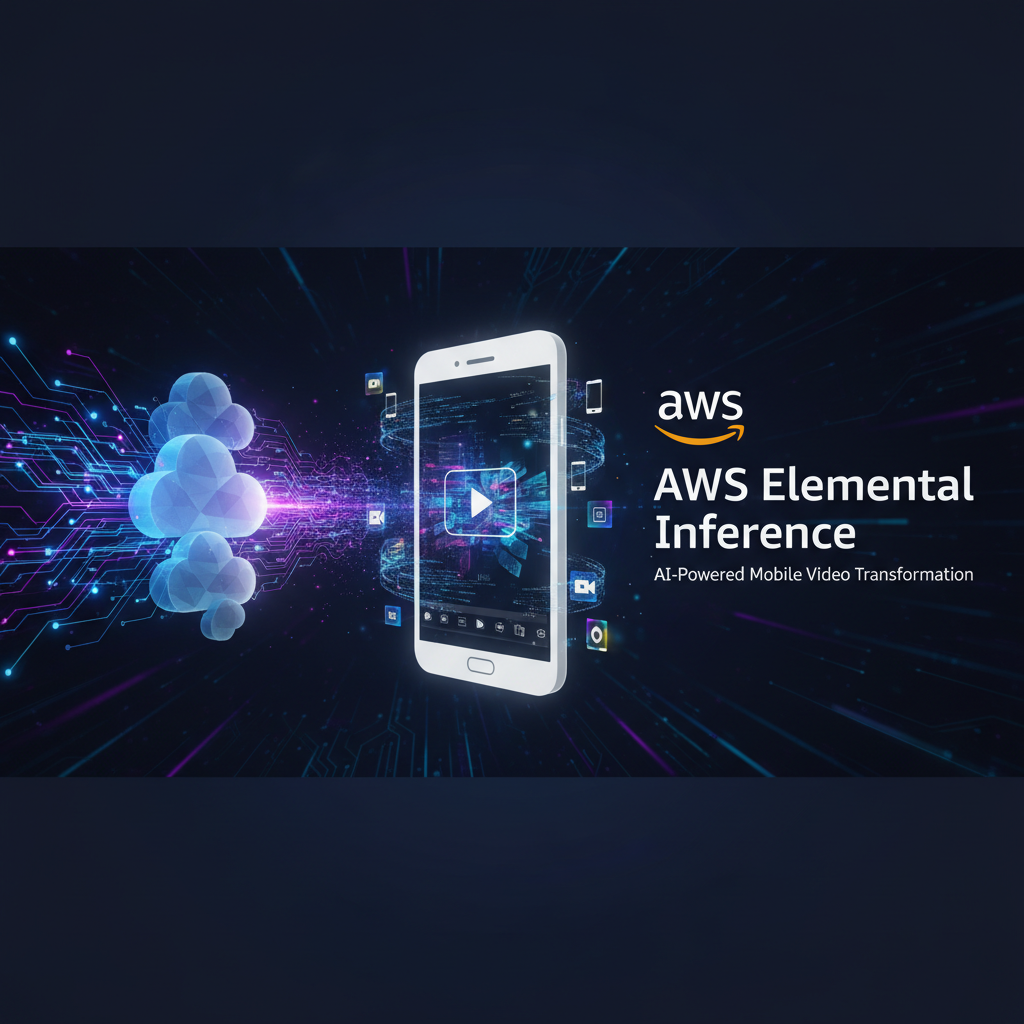
  • AWS Elemental Inference: AI-Powered Mobile Video Transformation

    AWS Elemental Inference: AI-Powered Mobile Video Transformation

    AWS Elemental Inference: Revolutionizing Mobile Video with AI

    In today’s fast-paced digital landscape, reaching audiences on mobile and social platforms is paramount. Platforms like TikTok, Instagram Reels, and YouTube Shorts have become essential channels for content consumption. However, manually adapting live and on-demand video broadcasts for these vertical formats can be a time-consuming and resource-intensive process. Fortunately, AWS offers a solution: AWS Elemental Inference.

    What is AWS Elemental Inference?

    AWS Elemental Inference is a fully managed AI service designed to automatically transform live and on-demand video broadcasts into vertical formats optimized for mobile and social platforms. This allows broadcasters to effortlessly reach their target audiences on platforms like TikTok, Instagram Reels, and YouTube Shorts without requiring manual editing or specialized AI expertise. The service operates in real time, ensuring that content is readily available to viewers as it is broadcast.

    By leveraging the power of AI, AWS enables content creators to streamline their video transformation workflows, reduce operational costs, and maximize their reach across various platforms. The service eliminates the need for manual intervention, making it easier than ever for broadcasters to create engaging content that resonates with mobile audiences.

    How Does It Work?

    The how of AWS Elemental Inference is quite straightforward. Using AWS Elemental Inference, the service automatically adapts video broadcasts for mobile and social platforms. This includes:

    • Automatic Transformation: Converts horizontal videos into vertical formats.
    • Real-Time Processing: Processes live video streams in real time.
    • Optimized Output: Ensures the output is optimized for platforms like TikTok, Instagram Reels, and YouTube Shorts.
    • No Manual Editing: Eliminates the need for manual editing or AI expertise.

    This automated approach allows broadcasters to focus on content creation rather than the technical aspects of video transformation. The why behind this is clear: to reach audiences on mobile and social platforms, which have become increasingly popular venues for video consumption.

    Key Benefits for Broadcasters

    The benefits of using AWS Elemental Inference are numerous, particularly for broadcasters looking to enhance their content distribution strategy:

    • Increased Reach: Easily distribute content across mobile and social platforms.
    • Reduced Costs: Minimize the need for manual editing and specialized AI expertise.
    • Improved Efficiency: Automate the video transformation process, saving time and resources.
    • Enhanced Engagement: Deliver content optimized for mobile viewing experiences.

    By using AWS Elemental Inference, broadcasters can streamline their workflows and focus on delivering high-quality content that resonates with their target audiences.

    Use Cases and Applications

    AWS Elemental Inference is ideal for a wide range of use cases, including:

    • Live Streaming: Transform live events, such as sports, concerts, and conferences, for mobile audiences.
    • On-Demand Video: Adapt on-demand content, such as educational videos and tutorials, for mobile viewing.
    • Social Media Integration: Create content optimized for platforms like TikTok, Instagram Reels, and YouTube Shorts.

    The service’s versatility makes it a valuable tool for any organization looking to expand its reach and engage with audiences on mobile and social platforms.

    Conclusion

    AWS Elemental Inference offers a powerful and efficient solution for transforming live and on-demand video broadcasts into mobile-optimized formats. By automating the video transformation process, AWS empowers broadcasters to reach audiences on platforms like TikTok, Instagram Reels, and YouTube Shorts without requiring manual editing or AI expertise. This innovative service underscores AWS’s commitment to providing cutting-edge solutions for the evolving needs of the media and entertainment industry.

    As mobile video consumption continues to grow, AWS Elemental Inference will be a key enabler for content creators looking to stay ahead of the curve and connect with their audiences in meaningful ways. This advancement in cloud computing and AI provides a streamlined path for content creators to easily adapt and distribute their content across various platforms.

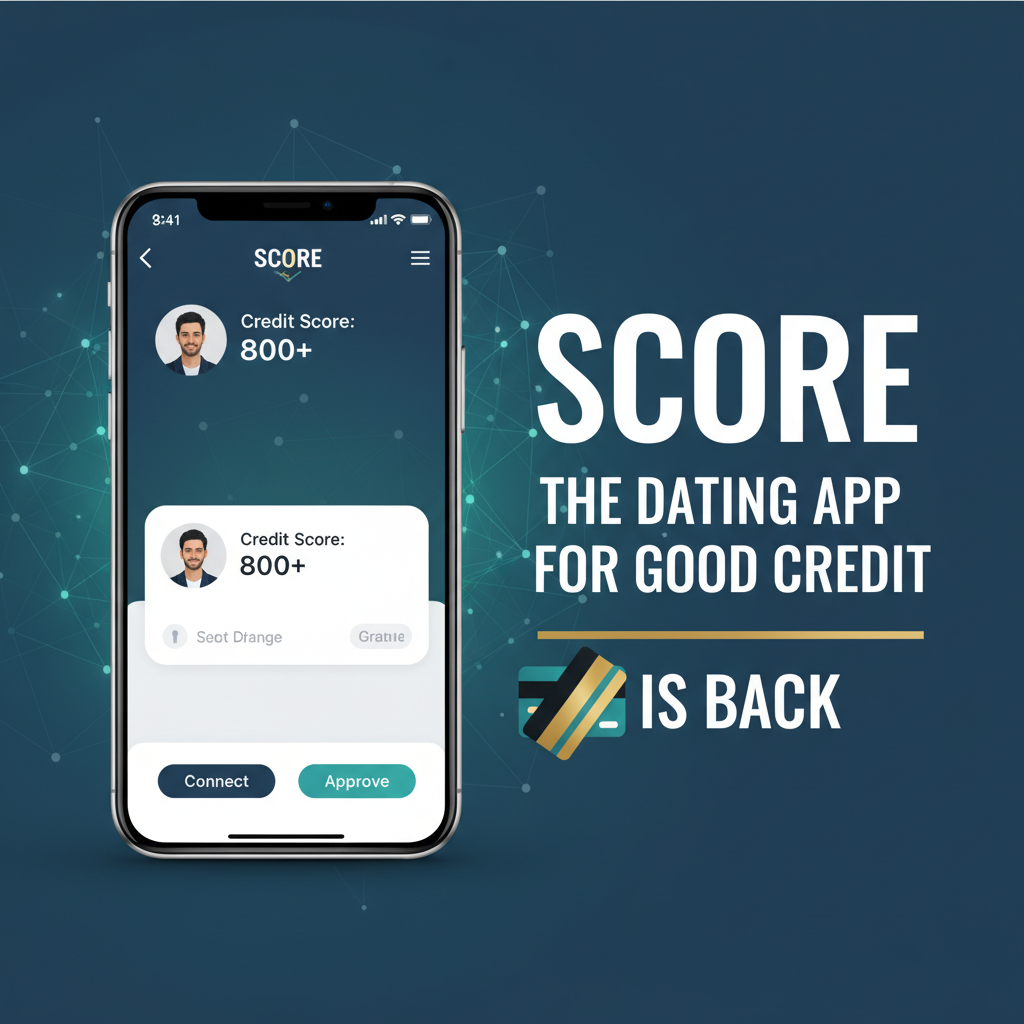
  • Score Dating App Relaunches: Now Open to Everyone

    Score Dating App Relaunches: Now Open to Everyone

    The hum of servers filled the air, a low thrumming that was almost a physical presence. February 13, 2026. Inside the spartan offices of Score, the dating app that, two years prior, had caused a minor stir, the team prepped for launch. The original concept, as many will recall, was straightforward: a dating app for individuals with a good-to-excellent credit score. Now, the relaunch was targeting a wider audience. The founder, whose name was kept under wraps, was aiming for a fresh start.

    It’s a bold move, considering the initial backlash. Many viewed the credit-based matchmaking as elitist, even a bit tone-deaf. But the founder, according to sources, saw an opportunity, a niche that could be profitably exploited. The goal this time, as per internal documents, was to achieve 1 million users within the first year.

    The technical challenges were, of course, significant. Beyond the usual scaling issues, there were the complexities of integrating a credit-checking system, even if it wasn’t the core focus this time around. That’s probably why the team seemed so focused. One engineer, Sarah Chen, was hunched over a monitor, running diagnostics. The data stream, a blur of numbers and graphs, seemed to be her world at that moment.

    “We’ve stress-tested the servers,” a project manager, whose name I didn’t catch, announced during a brief team huddle. “Everything seems stable, for now.”

    Meanwhile, the market analysts were cautiously optimistic. “The dating app market is always evolving,” stated analyst Michael Davies, from tech analysis firm, “and Score’s relaunch could tap into a new segment. Or maybe it won’t.” He continued, “The key will be user acquisition and retention, especially now that the credit requirement is gone.”

    The app, at least in its new incarnation, is open to anyone. It’s a departure from the original pitch, which, as many critics pointed out, felt a bit out of touch. The idea of linking credit scores to romance, or even compatibility, was, to some, a strange one. Now, the focus is on a broader user base, hoping to capitalize on the initial buzz. It is a pivot, in a way.

    The relaunch is something of a test, a bet on the idea that the underlying technology – the matching algorithms, the user interface – can stand on its own, regardless of the user’s financial profile. It is, perhaps, a more conventional play in the highly competitive world of online dating. The team is betting on a new beginning, a chance to define itself beyond its controversial origins.

  • Score Dating App Relaunches: Now Open to All

    Score Dating App Relaunches: Now Open to All

    The hum of servers filled the air, a constant white noise in the corner of the small San Francisco office. It was February 13, 2026, and the team at Score, the dating app, was huddled around a monitor, watching the final stages of the relaunch. Two years prior, the app had made waves—and quickly disappeared—for its credit-based matchmaking. Now, it was back, with a new strategy.

    Score’s founder, whose name was kept private, had always maintained the app wasn’t about exclusivity, but rather, a way to match people with similar financial responsibility. The initial rollout, however, had been met with criticism. Now, the app would be open to all, with credit scores playing a less prominent role in the algorithm.

    Earlier today, an analyst from Forrester, Sarah Chen, stated, “The dating app market is saturated, and differentiating on credit alone was a risky move. This relaunch, opening up to a wider audience, is probably the right move.”

    The technical challenges were, in a way, immense. The original infrastructure had to be rebuilt to handle a potentially larger user base. The engineering team, led by a quiet, focused lead, spent months optimizing the app’s performance. The database, designed to handle thousands of users, now needed to scale for what they hoped would be millions. It was a race against time, with the pressure mounting as the launch date loomed.

    Meanwhile, the marketing team prepped for the rollout. The initial strategy centered around social media campaigns and partnerships with financial influencers. It was a delicate dance, trying to shake off the previous controversy while simultaneously highlighting the app’s unique selling proposition: matching people based on their financial responsibility, or at least, that’s what it seemed like they were going for.

    By evening, the launch was underway. The servers, though humming, seemed stable. The team exchanged weary smiles. Success, at least for the moment, felt within reach. The founder, watching from a corner, looked on, a mix of relief and anticipation etched on his face. The future of Score, and maybe dating itself, hung in the balance.

  • Knicks’ Miles McBride Launches ‘Mmotion’ App

    So, a new app just dropped, and it’s got a pretty interesting backstory. Miles McBride, the guard for the New York Knicks, is stepping into the tech arena with his own creation: an app called “Mmotion.” The buzz is, it’s aiming to be a contender in the location-sharing space, giving Snap Map a run for its money. It launched on November 10, 2025, according to TechCrunch, which is always a good place to start when you’re trying to get the scoop on the latest tech.

    It’s not just another location tracker, though. Mmotion is trying to blend that whole “where are you?” vibe with social discovery. The idea? Find people nearby who share your interests. You know, maybe you’re into indie music, or perhaps you’re a serious foodie. The app, it seems, wants to connect you with like-minded folks in your area. That’s the core of it.

    You could say it’s a bit of a pivot from the court to the code, right? McBride, known for his hustle on the court, is now trying to bring that same energy to the app world. It’s a move that’s definitely raising eyebrows, and for good reason. Athletes getting involved in tech isn’t exactly new, but it’s always interesting to see how they approach it. They bring a different perspective, you know?

    Notably, the app is focusing on friendship. The whole idea is to help you connect with people. It’s not just about showing where you are. It’s about finding your people, which is a pretty cool concept when you think about it. It’s a space that’s seen a lot of activity in recent years, with apps like Snap Map already established. So, Mmotion is stepping into a crowded market, that’s for sure.

    How Does It Work?

    Well, from what I’ve gathered, Mmotion combines location sharing with social discovery features. It’s a way to see where your friends are while also finding people nearby who share your interests. That’s the gist of it. It’s a pretty straightforward concept, but the execution is key, of course. The app will have to nail down the user experience, the algorithm, and all the stuff that makes an app sticky, so people keep coming back.

    The tech world moves fast, and competition is fierce. Snap Map has a huge user base, so Mmotion has its work cut out for it. It’s going to be interesting to see how it all plays out. The article on TechCrunch didn’t go into a ton of detail about the specific features, but the idea is clear: it’s all about connecting people.

    The Bigger Picture

    This whole thing is kind of a reflection of how intertwined sports and tech have become. Athletes are no longer just athletes; they’re brands, and they’re entrepreneurs. McBride’s move with Mmotion is a perfect example. It’s a way to diversify, to build something new, and to leverage his platform. It’s a smart move in a way, especially if the app takes off. And, hey, even if it doesn’t, it’s a learning experience, right?

    The app landscape is always evolving. New apps pop up all the time, and some stick around while others fade away. It’s a gamble, but it’s also exciting. I mean, who knows? Maybe Mmotion will be the next big thing. Or maybe it won’t. But the fact that someone like Miles McBride is putting his name and effort behind it makes it worth watching.

    For now, Mmotion is out there, trying to find its place in the world. It’s a story about a basketball player, a new app, and the ever-changing world of technology. And honestly, it’s a story about connection.