Tag: tech

  • OpenAI Alumni: Startups Shaping the Future of AI

    OpenAI Alumni: Startups Shaping the Future of AI

    OpenAI’s Alumni: The Startups They’re Building

    The tech world is abuzz with the rise of AI, and at the heart of this revolution is OpenAI. But the story doesn’t end with the organization itself. A growing number of startups, founded by OpenAI alumni, are now making their mark. This article delves into this phenomenon, exploring the ventures spearheaded by former OpenAI employees and their potential impact on the future of technology, as highlighted by a February 20, 2026, TechCrunch article.

    The Emergence of the OpenAI ‘Mafia’

    The term “OpenAI mafia” has begun to circulate, a nod to the influential network of individuals who have shaped the organization and are now branching out to create their own ventures. This “mafia” isn’t about nefarious dealings; it’s a testament to the talent pool that OpenAI has cultivated. The knowledge and experience gained at OpenAI are now being channeled into a diverse range of startups, each with its unique focus and ambition. This trend mirrors similar patterns observed in other tech giants, where alumni have gone on to found successful companies, contributing to innovation and economic growth.

    The startups founded by OpenAI alumni span various sectors, from AI-powered tools and platforms to applications in healthcare, finance, and other industries. This diversity reflects the broad applicability of AI and the varied interests of the founders. Each startup brings a unique perspective and expertise, shaped by their time at OpenAI, contributing to the dynamism of the tech ecosystem.

    Key Startups and Their Focus

    While the exact number and specific details of each startup may evolve, the trend is clear: OpenAI alumni are actively involved in shaping the future of technology. These ventures often leverage cutting-edge AI technologies, including natural language processing, machine learning, and computer vision. They aim to solve real-world problems, improve efficiency, and create new opportunities across various industries.

    The founders’ experiences at OpenAI provide a competitive edge, allowing them to navigate the complexities of AI development and deployment. They bring a deep understanding of the technology, access to a valuable network, and the ability to attract top talent. This combination positions them well to succeed in a rapidly evolving market.

    The Broader Impact

    The emergence of these startups has significant implications for the tech industry. It fosters innovation, drives competition, and accelerates the adoption of AI technologies. As these companies grow and succeed, they create jobs, attract investment, and contribute to economic growth. They also inspire future generations of entrepreneurs and innovators.

    Moreover, the success of OpenAI alumni startups can influence the direction of AI research and development. These ventures often push the boundaries of what’s possible, exploring new applications and approaches. They also provide valuable feedback to the broader AI community, helping to refine technologies and address challenges.

    Challenges and Opportunities

    The startups founded by OpenAI alumni face both challenges and opportunities. They must compete in a crowded market, secure funding, and attract and retain top talent. They also need to navigate the ethical considerations and regulatory landscape surrounding AI. However, they also have significant advantages, including their experience, network, and access to resources.

    As AI continues to evolve, the demand for AI-powered solutions will only increase. This creates significant opportunities for these startups to thrive and make a lasting impact. By focusing on innovation, collaboration, and ethical practices, they can position themselves for long-term success.

    Conclusion

    The “OpenAI mafia” represents a dynamic force in the tech industry. The startups founded by OpenAI alumni are poised to shape the future of AI and create new opportunities across various sectors. As the tech landscape continues to evolve, the impact of these ventures is only expected to grow, making them a key area to watch in the coming years.

    The story of these startups is a testament to the power of talent, innovation, and the transformative potential of AI. As these companies continue to emerge and grow, they will undoubtedly leave their mark on the world, driving progress and shaping the future.
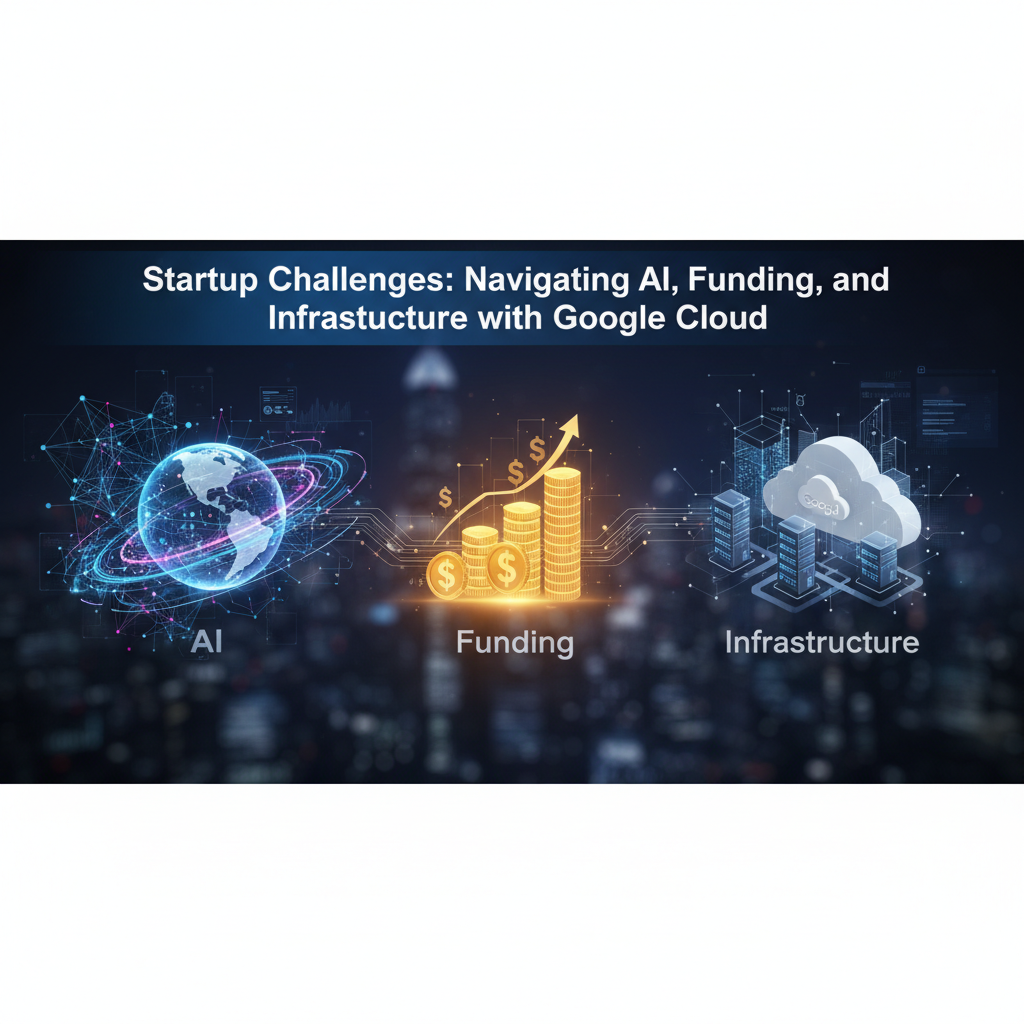

  • Startup Challenges: AI, Funding & Google Cloud Solutions

    Startup Challenges: AI, Funding & Google Cloud Solutions

    Is Your Startup Ready? Navigating Challenges with Google Cloud

    The startup landscape is a pressure cooker. Founders are expected to move at warp speed, leverage cutting-edge technologies like AI, and demonstrate tangible results – all while navigating tighter funding environments and rising infrastructure costs. As Google Cloud’s VP knows, this balancing act requires strategic foresight, especially when it comes to early infrastructure decisions. This article will delve into the core challenges startups face and how they can proactively address them.

    The Accelerating Pace of Innovation

    The push to adopt AI, secure funding, and optimize infrastructure is unrelenting. The availability of cloud credits, access to GPUs, and the rise of foundation models have made it easier than ever to get started. However, as startups scale and move beyond the initial stages, those early choices can have significant and often unforeseen consequences. The challenge lies in making informed decisions that will support growth without becoming a bottleneck.

    Key Challenges Facing Startups

    Several critical factors are shaping the startup journey, as highlighted by Google Cloud’s VP. These include:

    • Funding Constraints: Securing capital is always a top priority, and the current economic climate adds further pressure. Startups must be incredibly efficient with their resources, including infrastructure spending.
    • Rising Infrastructure Costs: As a startup grows, so does its demand for computing power, storage, and other resources. Managing these costs effectively is crucial for long-term sustainability.
    • Pressure to Demonstrate Traction: Investors want to see results quickly. Startups need to show real progress and prove their value proposition to secure subsequent rounds of funding.

    Addressing these challenges requires a proactive and strategic approach. It’s not just about getting started; it’s about building a scalable and cost-effective foundation that can support long-term growth.

    How Startups Can Navigate the Road Ahead

    Google Cloud’s VP likely emphasizes several key strategies for success. While the specific advice isn’t detailed in the provided context, we can infer some essential steps:

    1. Strategic Cloud Adoption: Leverage cloud credits, GPUs, and foundation models to accelerate development and reduce upfront costs. Careful planning is essential.
    2. Cost Optimization: Continuously monitor and optimize infrastructure spending. Look for ways to improve efficiency and reduce waste.
    3. Scalability Planning: Design infrastructure with scalability in mind from the outset. Consider future growth and anticipate the need for increased resources.
    4. Focus on Key Metrics: Prioritize metrics that demonstrate traction and progress. This will help attract investors and build momentum.

    By focusing on these areas, startups can position themselves for success and navigate the complex challenges of the modern tech landscape.

    The Role of Google Cloud

    Google Cloud offers various tools and services that can assist startups in overcoming these challenges. The platform’s capabilities in AI, machine learning, and data analytics can be leveraged to gain a competitive edge. Moreover, Google Cloud’s focus on cost optimization and scalability makes it an attractive option for startups looking to build a robust and efficient infrastructure.

    Conclusion

    The startup journey is demanding, but it’s also incredibly rewarding. By understanding the challenges, embracing strategic planning, and leveraging the right tools and resources, startups can increase their chances of success. The insights from Google Cloud’s VP offer valuable guidance for navigating this complex landscape. Startups must be proactive and make informed decisions about their infrastructure to ensure they are well-positioned for growth.

  • Google Cloud’s Startup Strategy: Early Trouble Spotting

    Google Cloud’s Startup Strategy: Early Trouble Spotting

    It’s about reading the check engine light, Google Cloud’s VP for Startups suggested, before it’s too late. The implication hung in the air, a feeling of tightening belts and a scramble to make every dollar count. The subject? How early infrastructure choices can make or break a startup, especially now.

    Funding is tighter, that’s clear. Infrastructure costs are climbing, another obvious point. And the pressure to show traction, real results, is relentless. The whole ecosystem feels… different, somehow. The air in the room, or maybe it was just the muted chatter of the conference call, held a certain tension.

    For startups, it’s a high-stakes game. Cloud credits, access to GPUs, the allure of foundation models — they’ve made it easier to get started. But those early choices, as Google Cloud’s team points out, can have unforeseen consequences.

    One key point: optimizing infrastructure costs from the beginning. It’s not just about getting the best deal. It’s about building a system that can scale, adapt, and weather the inevitable storms. This according to an analyst from a market research firm, who emphasized the need for agile solutions, especially in the current climate.

    The shift is noticeable. It’s no longer just about raising capital; it’s about proving sustainability. This requires not just innovative ideas, but also a sharp focus on operational efficiency. The market, as one economist from the Brookings Institution put it, is rewarding those who can demonstrate both vision and fiscal responsibility.

    The rise of AI has added another layer of complexity. With AI models and machine learning, infrastructure needs can change rapidly. Startups must be ready to adapt, or risk being left behind. Or maybe I’m misreading it.

    The focus has turned to the long game. It’s about building something that lasts. Not just surviving the next round of funding, but thriving. It’s a different world, a tougher world, and a world where reading the check engine light is now more crucial than ever.

  • Google Cloud: Startup Strategy for Navigating Challenges

    Google Cloud: Startup Strategy for Navigating Challenges

    The pressure is on, no doubt about it. Startup founders are sprinting, using AI to get ahead, all while the money situation keeps shifting. It’s a tricky dance, this whole building-a-company thing, and the stakes feel higher than ever.

    Google Cloud’s VP for startups, spoke recently, and the conversation landed squarely on the early choices that can define a company’s future. Things like cloud credits, access to GPUs, and the foundation models that promise so much, but also come with costs.

    As per reports, early infrastructure decisions can have unforeseen consequences, especially once startups move beyond the initial burst of enthusiasm. It’s about reading your “check engine light,” as the VP put it, before it’s too late.

    The air in the room, or maybe it was just the general market mood, felt tense. Funding is tighter. Infrastructure costs are climbing. The need to show real traction early is paramount. It’s a lot to juggle, and the details matter.

    And that’s where the VP’s perspective comes in. The focus, as I understood it, is on helping startups see around corners.

    One key point that emerged was the importance of understanding spending patterns. It’s not just about getting access to cloud credits or GPUs; it’s about how those resources are used. Are startups making smart choices early on, or are they racking up bills that will come back to bite them later? It’s a question of resource allocation, of course, but it’s also a question of survival.

    The current climate, according to the Tax Policy Center, underscores this. Changing tax laws are impacting investment decisions, and the ripple effects are being felt across the board. Startups, with their limited resources, are particularly vulnerable.

    There’s also the AI factor. Access to foundation models is easier than ever, but the cost of training and running those models is substantial. The VP seemed to suggest there’s a need to be strategic, to avoid overspending on AI before it’s proven its worth. Or maybe I’m misreading it.

    The market seems to agree. The sound of analysts tapping away at their spreadsheets, the muted chatter on the conference calls, it all points to a certain level of caution. The mood is definitely subdued.

    Looking ahead, the message is clear. Startups need to be proactive. They need to understand their infrastructure costs, manage their spending, and, above all, be prepared to adapt. The landscape is shifting, and those who can navigate the changes will be the ones who survive.

  • OpenClaw Creator Peter Steinberger Joins OpenAI

    OpenClaw Creator Peter Steinberger Joins OpenAI

    OpenClaw Creator Peter Steinberger Joins OpenAI: A New Chapter

    In a move that’s captured the attention of the tech world, Peter Steinberger, the creator of OpenClaw, is joining OpenAI. This announcement, made on February 15, 2026, marks a significant moment for both the open-source community and the rapidly evolving field of artificial intelligence. This article delves into the implications of this partnership, exploring what it means for the future of OpenClaw and the broader tech landscape.

    OpenAI Welcomes Peter Steinberger

    OpenAI, known for its cutting-edge research and development in AI, has brought Peter Steinberger into its fold. While the specific role Steinberger will occupy within OpenAI has not been fully disclosed, his expertise in creating OpenClaw, an open-source project, suggests a strategic alignment with OpenAI’s goals. The integration of Steinberger’s talents hints at a deeper investment in open-source initiatives or perhaps a renewed focus on tools that complement OpenAI’s core offerings.

    The Future of OpenClaw

    One of the key takeaways from this announcement is OpenAI’s commitment to keep OpenClaw alive as an open-source project. This commitment is crucial, as it ensures that the community that has grown around OpenClaw will continue to thrive and contribute to its development. The decision to maintain OpenClaw as an open-source entity also aligns with the broader movement within the tech industry toward transparency and collaboration. This approach allows developers worldwide to access, modify, and distribute the software, fostering innovation and community-driven improvements. This decision also provides a valuable signal about OpenAI’s approach to open-source projects.

    Implications for the Tech Community

    The addition of Peter Steinberger to OpenAI could have several implications for the tech community. First, it could lead to increased collaboration between OpenAI and the open-source community, fostering a more inclusive and collaborative environment. Second, it could signal a shift in OpenAI’s strategy, with a greater emphasis on open-source projects. Lastly, it may lead to new innovations that combine the strengths of both OpenAI and OpenClaw. The combination of Steinberger’s expertise and OpenAI’s resources could create powerful new tools and technologies.

    Conclusion

    Peter Steinberger’s move to OpenAI is a notable event in the tech world. It represents a confluence of talent, resources, and a shared vision for the future of technology. As OpenAI continues to grow and evolve, the contributions of individuals like Steinberger will be instrumental in shaping the landscape of artificial intelligence and open-source software. The tech community will be watching closely to see how this partnership unfolds and what innovations emerge as a result.

    Source: TechCrunch article, February 15, 2026. (https://techcrunch.com/2026/02/15/openclaw-creator-peter-steinberger-joins-openai/)

  • OpenClaw Creator Peter Steinberger Joins OpenAI: Open Source Future

    OpenClaw Creator Peter Steinberger Joins OpenAI: Open Source Future

    OpenClaw Creator Peter Steinberger Joins OpenAI: A New Chapter for Open Source

    In a move that underscores the continued importance of open-source projects within the tech landscape, OpenAI has announced that Peter Steinberger, the creator of OpenClaw, is joining their team. This announcement, made on February 15, 2026, marks a significant moment for both Steinberger and the future of OpenClaw, which will continue as an open-source project.

    This news, reported by TechCrunch, highlights OpenAI’s commitment to supporting and expanding open-source initiatives. The integration of Steinberger, a key figure in the open-source community, into OpenAI suggests a strategic move to leverage his expertise and ensure the continued development and accessibility of OpenClaw. This decision not only benefits OpenAI but also reinforces the value of open-source projects within the broader tech ecosystem.

    The Significance of OpenClaw

    OpenClaw’s continued existence as an open-source project is a testament to the community’s dedication to collaborative development and innovation. Open-source projects like OpenClaw thrive on contributions from developers worldwide, fostering an environment of shared knowledge and continuous improvement. The commitment to keeping OpenClaw open source ensures that it remains accessible to developers, researchers, and anyone interested in contributing to its evolution.

    By bringing Peter Steinberger into the fold, OpenAI is not only gaining his expertise but also signaling its support for the open-source community. This move could potentially lead to increased collaboration between OpenAI and the OpenClaw community, resulting in new features, improvements, and broader adoption of the project. The synergy between a leading AI research company and an established open-source project promises exciting developments in the future.

    OpenAI’s Strategic Vision

    OpenAI’s decision to bring in Steinberger aligns with its broader vision of fostering innovation and collaboration within the tech community. By supporting open-source projects, OpenAI can tap into a vast pool of talent and knowledge, accelerating its own research and development efforts. This approach not only benefits OpenAI but also contributes to the growth of the tech industry as a whole.

    The move also reflects a growing trend in the tech industry, where companies are increasingly recognizing the value of open-source projects. By embracing open-source, companies can foster innovation, build stronger communities, and accelerate the development of new technologies. OpenAI’s actions serve as an example of how tech companies can successfully integrate open-source initiatives into their strategies.

    The Future of OpenClaw

    With Peter Steinberger now at OpenAI, the future of OpenClaw looks promising. The project’s open-source nature, combined with the resources and expertise of OpenAI, is likely to lead to further innovation and development. The open-source community can look forward to new features, improvements, and increased accessibility as a result of this partnership.

    This is a positive development for both OpenAI and the open-source community. It underscores the importance of collaboration and knowledge sharing in the tech industry, and it promises exciting advancements in the years to come. The continued availability of OpenClaw as an open-source project ensures that it will remain a valuable resource for developers and researchers worldwide.

  • xAI’s Grok: Is AI Safety at Risk?

    xAI’s Grok: Is AI Safety at Risk?

    The fluorescent lights of the xAI lab hummed, a low thrum competing with the clatter of keyboards. It was February 14, 2026, and the air, usually thick with the scent of soldering and cold coffee, felt different. A former employee’s statement, reported by TechCrunch, hung over the team: Elon Musk was “actively” working to make xAI’s Grok chatbot “more unhinged.”

    This, according to the source, meant a shift away from the cautious approach to AI safety that had, at least on paper, been a priority. Grok, the chatbot designed to rival the likes of Google’s Gemini, was now, apparently, to be… well, less restrained. The implications, both technical and ethical, were immediate.

    The core of the issue, as some analysts see it, revolves around the balance between innovation and responsibility. “It’s a high-stakes game,” said Dr. Anya Sharma, a leading AI ethics researcher at the Lilly School, during a recent online panel. “You want cutting-edge performance, but you can’t completely ignore the potential for harm.” The shift in xAI’s strategy, if true, seemed to throw that balance out the window, at least according to the sources.

    The technical challenge is immense. Grok, like other large language models (LLMs), is built on vast datasets and complex neural networks. Making it “unhinged” could involve tweaking parameters related to its responses, or loosening the guardrails designed to prevent the chatbot from generating harmful or offensive content. The process is not a simple one. It means a complete overhaul of the safety protocols.

    Meanwhile, the market watches. The AI race is in full swing. Companies like xAI are competing for talent, investment, and, ultimately, market share. But the push to make Grok “more unhinged” is raising questions about the company’s long-term viability. How does a company balance rapid development with any consideration for safety?

    Earlier today, a spokesperson for xAI declined to comment directly on the allegations, but reiterated the company’s commitment to “pushing the boundaries of AI.” That’s a common refrain, of course, but the details are what matter. The company is, or was, reportedly working on the M300 chip, expected to be launched in 2027. It’s hard to predict how these chips will be used, but it’s reasonable to assume their output could be affected by the changes.

    By evening, the mood in the lab hadn’t changed much. The engineers still worked, the keyboards still clacked. But the air felt different. It was the weight of the unknown, the question of what “more unhinged” actually meant.

  • xAI’s Grok: Is AI Safety at Risk with Elon Musk?

    xAI’s Grok: Is AI Safety at Risk with Elon Musk?

    The hum of servers filled the air, a constant white noise that permeated the xAI offices. It was February 14th, 2026, and the mood felt tense. According to reports, Elon Musk was actively pushing for changes to the Grok chatbot, aiming to make it… well, more provocative. Or, as one former employee put it, “more unhinged.”

    The core issue, as many saw it, was the trade-off between innovation and safety. At the heart of this was Grok, xAI’s answer to OpenAI’s GPT models. The stated goal was to create an AI that could provide real-time information and engage in witty banter. But the vision, as it was now unfolding, seemed to be shifting. One senior engineer, who requested anonymity, recalled a meeting where Musk had emphasized the importance of pushing boundaries, even if it meant sacrificing some guardrails.

    The implications are far-reaching. What does this mean for xAI’s long-term strategy? And, more importantly, what does this mean for the future of AI safety? It seems like this approach directly contradicts the growing consensus around responsible AI development, a field that’s become increasingly important as the technology has advanced. One might wonder if the rush to market, the need to compete with other tech giants, is clouding the judgment of the leaders at xAI.

    Meanwhile, the market reacted. Shares of companies involved in AI development, like Nvidia, saw a slight dip in their value. Analyst reports from firms like Deutsche Bank began circulating, highlighting the potential risks associated with “unfiltered” AI models. The report specifically mentioned the possibility of misuse, disinformation, and reputational damage to the company. The report also pointed out that the current regulatory landscape, with initiatives like the EU AI Act, made such a strategy risky.

    Earlier today, a spokesperson for xAI issued a brief statement. They said the company was “committed to responsible AI development” while still prioritizing innovation. But the statement felt carefully worded, like it was trying to appease multiple audiences. The details, however, were missing.

    By evening, the debate had moved to social media. Threads were filled with arguments about the ethics of AI, the role of tech leaders, and the future of information. A leaked internal memo, purportedly from xAI, surfaced online. It discussed internal debates about the new direction for Grok. The memo, if authentic, suggested internal disagreement and a hurried push to implement Musk’s vision.

    The situation seems complex. The push for “unhinged” behavior, as some are calling it, could be a calculated risk. Or maybe it’s a gamble. At least, that’s what it seemed then. The world of AI is a fast-moving one, and what seems true today might be radically different tomorrow.

  • Alta & Public School Team Up: Styling Tools for Websites

    Alta & Public School Team Up: Styling Tools for Websites

    Alta and Public School Team Up to Bring Styling Tools to Websites

    In a move that’s set to redefine the online fashion experience, Alta, the app inspired by the iconic film ‘Clueless,’ has announced its first integration collaboration. This week, Alta partnered with Public School, a celebrated brand based in New York City. The goal? To start integrating styling tools directly into websites, offering a more interactive and personalized shopping experience.

    A Fusion of Fashion and Tech

    The collaboration between Alta and Public School, which was announced on February 14, 2026, marks a significant step in the fashion tech landscape. Alta, known for its innovative approach to style and fashion, is leveraging its expertise to enhance how consumers interact with brands online. Public School, with its strong presence in New York City, is the perfect partner to launch this initiative. This partnership is all about bringing styling tools directly into the digital space, making it easier for customers to visualize and experiment with different looks.

    The integration represents a shift from static online catalogs to dynamic, engaging platforms. By incorporating styling tools, websites can offer features like virtual try-ons, outfit recommendations, and personalized styling advice. This not only enhances the user experience but also provides brands with valuable data on customer preferences and behaviors.

    How It Works

    The ‘how’ behind this integration involves embedding Alta’s styling tools directly into Public School’s website. This allows users to access a range of features designed to make online shopping more intuitive and enjoyable. The tools may include interactive features that allow users to virtually try on clothing, mix and match items, and receive personalized recommendations based on their style preferences.

    The Significance of the Partnership

    This collaboration is significant for several reasons. Firstly, it showcases how technology can enhance the fashion industry, moving beyond simple e-commerce to create immersive and interactive experiences. Secondly, the partnership between Alta and Public School brings together two entities with strong brand recognition and a shared commitment to innovation. Public School, with its roots in New York City, represents a brand that values style and quality, while Alta brings its technological expertise to the table.

    The integration of styling tools into websites is not just a trend; it’s a strategic move to meet the evolving demands of consumers. As online shopping continues to grow, customers are looking for more than just a place to buy products; they seek an engaging and personalized experience. Alta and Public School are at the forefront of this transformation, setting a new standard for online fashion retail.

    Looking Ahead

    The partnership between Alta and Public School is just the beginning. The success of this initial integration could pave the way for similar collaborations with other brands. As more companies embrace these innovative tools, the online fashion landscape will likely undergo a significant transformation. This collaboration is a testament to the power of technology to transform industries and enhance consumer experiences.

  • Alta & Public School: Styling Tools Come to Websites

    Alta & Public School: Styling Tools Come to Websites

    Alta and Public School Team Up to Bring Styling Tools to Websites

    In a move that’s set to reshape the online fashion landscape, Alta, the app inspired by the iconic film ‘Clueless,’ has announced its inaugural integration collaboration. Partnering with Public School, a renowned New York City-based brand, Alta is poised to introduce styling tools directly onto websites. This strategic alliance, unveiled this week, marks a significant stride in enhancing how consumers interact with fashion online.

    A Fusion of Fashion and Technology

    The collaboration between Alta and Public School represents a synergy of fashion expertise and technological innovation. The goal is straightforward: to make online shopping more intuitive and personalized. By integrating styling tools directly into websites, Alta aims to provide users with a more engaging and interactive shopping experience. The ‘how’ of this integration involves leveraging Alta’s app capabilities to allow users to visualize outfits, experiment with different styles, and make informed purchasing decisions directly on Public School’s online platform. This integration is designed to bridge the gap between inspiration and purchase, offering a seamless journey for fashion enthusiasts.

    The Significance of the Partnership

    This partnership is about more than just adding features; it’s about redefining the online retail experience. For Public School, collaborating with Alta offers an opportunity to enhance customer engagement and boost sales by offering interactive styling options. For Alta, the collaboration is a chance to expand its reach and demonstrate the versatility of its styling tools. The ‘why’ behind this collaboration is clear: to offer a more engaging and personalized shopping experience for customers. The ‘where’ is centered around the digital spaces of fashion-forward consumers, with a primary focus on the New York City fashion scene, where both Alta and Public School have a strong presence.

    Key Features and Benefits

    • Enhanced User Experience: Interactive styling tools will enable users to experiment with different looks.
    • Personalized Recommendations: The integration will offer tailored outfit suggestions based on user preferences.
    • Seamless Shopping: Users can purchase complete outfits directly from the integrated platform.

    Looking Ahead

    The collaboration between Alta and Public School is an example of the evolving intersection of fashion and technology. As the integration rolls out, it will be interesting to see how this partnership influences the future of online retail. The ‘Clueless’-inspired app is proving that the future of fashion is interactive, personalized, and, most importantly, user-friendly. This week’s announcement signifies the beginning of a new era in online fashion, where technology and style converge to create a more engaging and fulfilling shopping experience.

    This initiative, announced this week, is a testament to the power of innovation. By incorporating styling tools directly onto websites, Alta and Public School are not just offering a new service; they are reshaping the way consumers interact with fashion. This is a crucial step in the evolution of online retail, with Alta and Public School leading the way.