CloudTalk

Tag: technology

  • Mistral AI Acquires Koyeb: Cloud Dominance Strategy

    Mistral AI Acquires Koyeb: Cloud Dominance Strategy

    Mistral AI Acquires Koyeb: A Strategic Move for Cloud Dominance

    In a significant move within the rapidly evolving artificial intelligence sector, Mistral AI has announced its acquisition of Koyeb, a Paris-based startup. This strategic acquisition, unveiled on February 17, 2026, as reported by TechCrunch, marks Mistral AI’s first acquisition and signals a strong commitment to bolstering its cloud ambitions. The deal is poised to reshape how AI applications are deployed and managed, offering Mistral AI a crucial edge in a competitive market.

    The Significance of the Acquisition

    The core of this acquisition lies in Koyeb’s expertise in simplifying AI app deployment at scale. Koyeb has developed a platform that handles the complexities of infrastructure management, allowing developers to focus on building and refining their AI applications. By integrating Koyeb’s technology, Mistral AI aims to streamline the deployment process, making it easier for users to bring their AI projects to fruition. This strategic move is a direct response to the growing demand for efficient, scalable AI solutions.

    The acquisition of Koyeb allows Mistral AI to better support its cloud ambitions. By controlling the infrastructure behind AI app deployment, Mistral AI can offer a more integrated and user-friendly experience. This is particularly crucial as the company looks to expand its services and attract a broader user base. The ability to manage infrastructure efficiently is a key differentiator in the competitive cloud market.

    Key Players and Their Roles

    The acquisition brings together two significant players in the tech world: Mistral AI and Koyeb. Mistral AI, as the acquirer, is now positioned to leverage Koyeb’s innovative deployment solutions. Koyeb, the acquired startup, brings its specialized knowledge of AI app deployment and infrastructure management to the table. This synergy is expected to enhance Mistral AI’s capabilities and accelerate its growth trajectory.

    Strategic Implications and Future Outlook

    The acquisition of Koyeb has several key strategic implications. First, it enables Mistral AI to offer a more comprehensive suite of services. Second, it enhances Mistral AI’s competitive positioning in the cloud market. Third, it facilitates Mistral AI’s ability to support the deployment and scaling of AI applications, which is essential for attracting and retaining users.

    The future outlook for this partnership is promising. By integrating Koyeb’s technology, Mistral AI is poised to streamline the AI deployment process, making it more accessible and efficient for users. This will likely lead to increased adoption of Mistral AI’s platform and further innovation within the AI ecosystem. The acquisition is a testament to Mistral AI’s vision and its commitment to driving advancements in the field of artificial intelligence.

    In Summary

    Mistral AI’s acquisition of Koyeb is a strategic move designed to bolster its cloud ambitions and simplify the deployment of AI applications. This acquisition, which occurred on February 17, 2026, as reported by TechCrunch, allows Mistral AI to offer a more comprehensive suite of services, enhancing its competitive position in the cloud market. With Koyeb’s expertise in AI deployment and infrastructure management, Mistral AI is well-positioned to drive innovation and support the growing needs of the AI community.

    Source: TechCrunch
  • Mistral AI Acquires Koyeb: Cloud Ambitions Soar

    Mistral AI Acquires Koyeb: Cloud Ambitions Soar

    The hum of servers filled the air as the Mistral AI engineering team huddled around a monitor, reviewing thermal tests. It was February 17, 2026, and the air in the Paris office crackled with anticipation. The news had just broken: Mistral AI was acquiring Koyeb, a local startup specializing in simplifying AI app deployment. This move wasn’t just about adding tech; it was about staking a claim in the cloud infrastructure game.

    Koyeb, founded in Paris, offered a platform designed to make deploying AI applications at scale easier. It managed the underlying infrastructure, a crucial element for companies like Mistral AI that are building and deploying complex AI models. “This acquisition is a clear signal,” said Jean-Pierre Dubois, a senior analyst at Forrester. “Mistral is not just about the models; they want to control the full stack, from the algorithms to the cloud.”

    The deal’s implications resonated through the industry. With the acquisition, Mistral AI gains immediate access to Koyeb’s technology and expertise. This is particularly important because the AI race is not just about the models; it is also about the infrastructure that supports them. The ability to deploy models quickly and efficiently can make or break a company’s success. It also allows Mistral AI to better serve its customers, potentially increasing revenue streams. The cloud ambitions are clear.

    The acquisition, though, highlights broader trends. The AI boom is driving intense demand for cloud resources. Companies are scrambling to secure compute power, and cloud providers are racing to meet the demand. This is particularly true in Europe, where there’s a push for technological sovereignty. This means building domestic cloud capabilities and reducing reliance on American providers. It’s a complex dance. Supply-chain issues, especially regarding advanced chips, loom large. The constraints on manufacturing, like those at TSMC, also play a key role in the landscape.

    The acquisition of Koyeb is a step in that direction. The move allows Mistral AI to deploy its own models and offer cloud services to other companies. It’s a strategic move to control their destiny. The financial terms were not disclosed, but the strategic implications are significant. It underscores Mistral AI’s ambition to control more of the AI development stack. The goal is to offer a comprehensive suite of tools and services. With the Koyeb acquisition, Mistral AI is positioning itself to be a key player. It’s a bet on the future of AI infrastructure.

  • Mistral AI Acquires Koyeb: Cloud Deployment Strategy

    Mistral AI Acquires Koyeb: Cloud Deployment Strategy

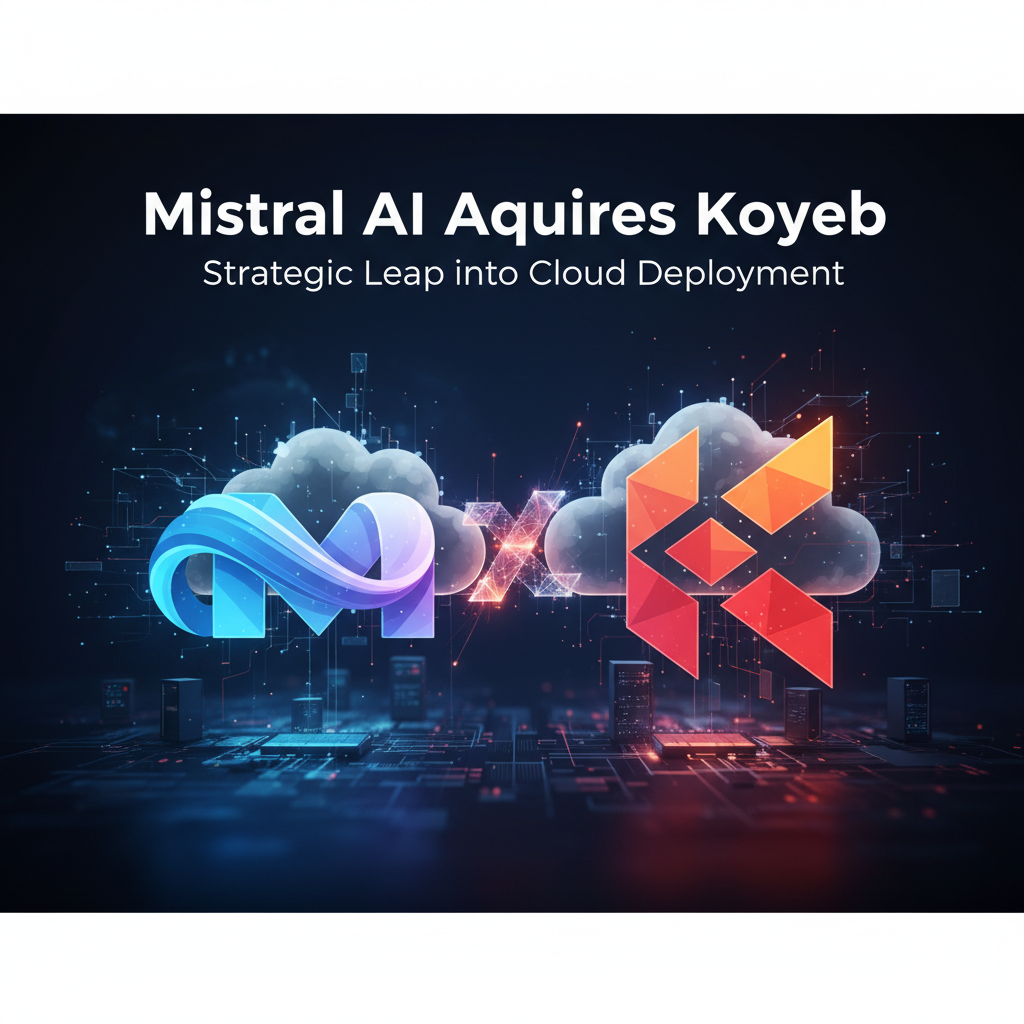
    Mistral AI Acquires Koyeb: A Strategic Leap into Cloud Deployment

    In a move that signals ambitious growth, Mistral AI has announced its acquisition of Koyeb, a Paris-based startup specializing in simplifying AI app deployment. This strategic acquisition, revealed on February 17, 2026, marks Mistral AI’s first acquisition and underscores the company’s commitment to bolstering its cloud infrastructure and expanding its capabilities in the rapidly evolving AI landscape.

    The Strategic Rationale Behind the Acquisition

    The core motivation behind Mistral AI’s decision to acquire Koyeb is to fortify its cloud ambitions. By bringing Koyeb’s expertise in AI app deployment in-house, Mistral AI aims to streamline the process of deploying AI applications at scale, effectively managing the underlying infrastructure. This strategic move allows Mistral AI to enhance its technological offerings and provide a more seamless experience for users deploying AI solutions.

    Koyeb, known for its innovative approach to simplifying AI app deployment, will play a critical role in this endeavor. The startup’s platform is designed to manage the complexities of cloud infrastructure, allowing developers to focus on building and deploying AI applications without the usual operational overhead. This focus on efficiency and scalability aligns perfectly with Mistral AI’s goals of delivering robust and accessible AI solutions.

    Details of the Acquisition and What It Means

    The acquisition, which occurred on February 17, 2026, is a pivotal step for Mistral AI. The Paris-based startup, Koyeb, brings to the table a wealth of experience in simplifying AI app deployment. This expertise will be crucial as Mistral AI looks to expand its cloud capabilities. The integration of Koyeb’s technology into Mistral AI’s existing infrastructure is expected to create a more efficient and user-friendly environment for developers and end-users alike.

    This acquisition is not just about technology; it’s about strategy. Mistral AI is positioning itself to be a key player in the cloud-based AI solutions market. The acquisition of Koyeb is a clear indication of Mistral AI’s vision for the future, one where AI applications are easily deployable, scalable, and accessible to a wide audience.

    The Broader Implications for the AI and Cloud Sectors

    The acquisition has implications that extend beyond the immediate benefits to Mistral AI and Koyeb. It reflects a broader trend in the AI and cloud sectors, where companies are increasingly focused on vertical integration and end-to-end solutions. By controlling more aspects of the AI application lifecycle, from development to deployment, Mistral AI can offer a more cohesive and efficient service.

    This move is likely to inspire other players in the industry to consider similar strategic acquisitions. As the demand for AI solutions continues to grow, the ability to simplify deployment and manage infrastructure will become increasingly important. The acquisition of Koyeb positions Mistral AI at the forefront of this trend, giving it a competitive advantage in the market.

    In conclusion, Mistral AI’s acquisition of Koyeb is a well-considered move that aligns with its long-term strategy. By incorporating Koyeb’s expertise, Mistral AI is well-placed to achieve its cloud ambitions and solidify its position as a leading innovator in the AI sector.

  • Emergent’s $100M ARR: Is India’s Vibe-Coding Startup Legit?

    Emergent’s $100M ARR: Is India’s Vibe-Coding Startup Legit?

    The numbers, they say, don’t lie. Or maybe they tell a story that’s still unfolding, a story of rapid growth and, perhaps, a touch of uncertainty. Emergent, the Indian vibe-coding startup, has reportedly hit the $100 million ARR mark, a feat achieved in a mere eight months since its launch back in February of 2026. The news, coming from sources like TechCrunch, has sent ripples through the tech and investment communities.

    The speed is what grabs you. Eight months. That’s barely enough time to get through the initial funding rounds, let alone build a product, find users, and generate that kind of revenue. It’s a testament, perhaps, to the surging demand by small businesses and non-technical users, as the company claims. Demand that Emergent, with its mobile app, seems well-positioned to meet.

    But the market is a fickle beast. Economic analysts, like those at the Brookings Institution, often remind that initial success doesn’t guarantee long-term stability. The Indian market, in particular, is a complex tapestry of regulations, consumer behavior, and, of course, global economic pressures. A sudden shift in tax incentives, for instance, could easily impact the spending patterns of the very businesses Emergent is targeting.

    What’s driving this growth? Is it a genuine shift in how small businesses approach software development? Or is it a temporary phenomenon, a bubble that might burst as quickly as it inflated? These are the questions being whispered in the corridors of financial institutions and venture capital firms.

    And, of course, the competition. The tech landscape is littered with startups promising the moon, only to fade away. Emergent faces the constant pressure of innovation, the need to adapt, to stay ahead of the curve. The company’s ability to maintain its momentum, to scale its operations while keeping its core values intact, will be critical. It’s a tightrope walk.

    A spokesperson for the company, when reached for comment, emphasized their commitment to providing accessible, user-friendly tools. “Our focus has always been on empowering individuals, regardless of their technical background,” the spokesperson stated. “We believe the future of software development is in the hands of everyone.”

    The claim of $100 million ARR is significant, no doubt. But the real story here is the journey, the unfolding narrative of a startup navigating the choppy waters of the tech industry. It’s a reminder that in business, as in life, the only constant is change.

  • AWS Weekly Roundup: EC2 Instances, Open Weights Models & More

    AWS Weekly Roundup: EC2 Instances, Open Weights Models & More

    AWS Weekly Roundup: New EC2 Instances, Open Weights Models, and More

    The world of cloud computing is constantly evolving, and at the forefront of this evolution is Amazon Web Services (AWS). In this weekly roundup, we’ll dive into the latest announcements and innovations from AWS, keeping you informed about the most significant developments. From new instance types to advancements in AI, there’s always something new to explore. This week, we’ll be highlighting the introduction of the new Amazon EC2 M8azn instances and the launch of open weights models in Amazon Bedrock.

    EC2 Instance Innovation

    Since joining AWS in 2021, the growth of the Amazon Elastic Compute Cloud (Amazon EC2) instance family has been nothing short of remarkable. AWS has consistently pushed the boundaries of performance, offering a diverse range of instances tailored to various workloads. This commitment to innovation is evident in the continuous release of new instance types, including those powered by AWS Graviton and specialized accelerated computing options.

    The introduction of the new Amazon EC2 M8azn instances is a testament to this ongoing progress. These instances are designed to provide enhanced performance and efficiency, catering to the ever-increasing demands of modern applications. With each new instance type, AWS aims to empower its customers with the tools they need to optimize their cloud infrastructure and achieve their business objectives. The constant evolution of EC2 instances reflects AWS’s dedication to providing cutting-edge solutions for its users.

    Open Weights Models in Amazon Bedrock

    Another significant announcement this week involves the integration of open weights models into Amazon Bedrock. This platform provides a fully managed service that allows customers to build and scale generative AI applications. By incorporating open weights models, AWS is expanding the options available to its users, providing greater flexibility and choice in their AI endeavors. This move underscores AWS’s commitment to fostering innovation and democratizing access to advanced AI technologies.

    The addition of open weights models to Amazon Bedrock aligns with AWS’s broader strategy of empowering developers and organizations to leverage the power of AI. By offering a comprehensive suite of tools and services, AWS enables its customers to accelerate their AI initiatives and drive meaningful outcomes. This initiative is a step forward in making advanced AI more accessible and practical for a wider range of users.

    Looking Ahead

    The pace of innovation in the cloud computing space shows no signs of slowing down. AWS continues to lead the way, consistently introducing new features, services, and instance types. These advancements are driven by a commitment to meeting the evolving needs of its customers and pushing the boundaries of what’s possible in the cloud. As we look ahead, we can expect even more exciting developments from AWS, shaping the future of technology and transforming the way we work and live.

    The continuous efforts of AWS, like the introduction of the new Amazon EC2 M8azn instances and the integration of open weights models in Amazon Bedrock, represent the company’s commitment to pushing performance boundaries further. These innovations are not just about technological advancements; they are about enabling customers to achieve more, innovate faster, and ultimately, succeed in their respective fields.

  • AWS Weekly Roundup: New EC2 Instances & AI Advancements

    AWS Weekly Roundup: New EC2 Instances & AI Advancements

    AWS Weekly Roundup: New EC2 Instances, Open Weights Models, and More

    The world of cloud computing is constantly evolving, and at AWS, the pace of innovation is relentless. This week’s roundup brings you the latest developments, including exciting new offerings and enhancements to existing services. From powerful new instances to cutting-edge AI models, there’s always something new to explore.

    New Amazon EC2 M8azn Instances

    One of the most significant announcements this week is the introduction of the new Amazon EC2 M8azn instances. The Amazon Elastic Compute Cloud (Amazon EC2) instance family continues to expand, and these new instances promise to push performance boundaries even further. Since joining AWS in 2021, I’ve been consistently impressed by the rapid growth and evolution of EC2, with new instance types emerging every few months.

    These new instances are designed to deliver enhanced performance and efficiency for a variety of workloads. Details about the specific improvements and target use cases are available on the AWS News Blog. The ongoing commitment to innovation in EC2, from AWS Graviton-powered instances to specialized accelerated computing options, demonstrates AWS’s dedication to providing the best possible infrastructure for its customers. The motivation behind these launches is to consistently push performance boundaries further, ensuring that users have access to the latest and greatest in cloud computing technology.

    Open Weights Models in Amazon Bedrock

    Another key highlight this week is the integration of new open weights models into Amazon Bedrock. This is a significant step forward in making advanced AI models more accessible and versatile for developers. Amazon Bedrock provides a managed service for running and deploying various AI models, and the addition of open weights models expands the available options and capabilities.

    The integration of open weights models into Amazon Bedrock aligns with the broader trend of democratizing access to AI. This allows developers to experiment with and leverage a wider range of models, fostering innovation and enabling them to build more sophisticated applications. AWS continues to focus on providing the tools and services needed to accelerate the adoption and development of AI technologies.

    More to Explore

    This week’s roundup also includes other noteworthy updates and enhancements across the AWS platform. Be sure to check the AWS News Blog for detailed information on all the latest releases and announcements. The ongoing commitment to innovation ensures that AWS remains at the forefront of cloud computing, offering a comprehensive suite of services to meet the evolving needs of its customers.

    Stay Informed

    The AWS ecosystem is dynamic, with new features and improvements being released continuously. Staying informed about these changes is crucial for maximizing the benefits of the AWS platform. The AWS News Blog is an excellent resource for keeping up-to-date with the latest developments.

    As of February 16, 2026, the AWS team continues to demonstrate its commitment to providing cutting-edge cloud computing solutions. The introduction of new Amazon EC2 instances and the integration of open weights models in Amazon Bedrock are just two examples of this ongoing innovation. The motivation behind these innovations is to enhance customer experiences and push the boundaries of what’s possible in the cloud.

  • AI Data Centers Power Crunch: C2i Secures $15M Funding

    AI Data Centers Power Crunch: C2i Secures $15M Funding

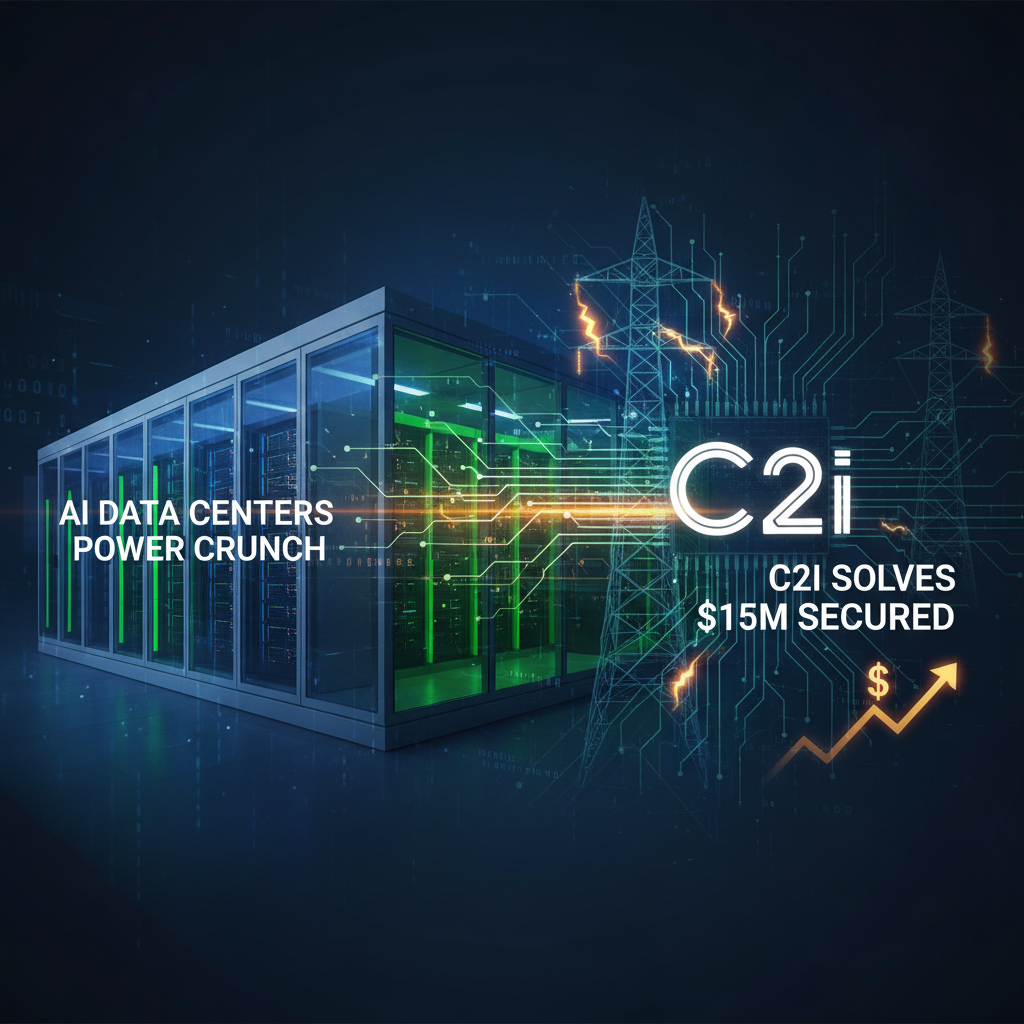
    The murmur in the trading room, it’s always a tell. Today, it’s a low, almost anxious hum, like a server room on the verge of overload — which, in a way, it is. The focus, or at least the worry, seems to be on power, specifically the relentless energy demands of AI data centers. C2i, an Indian startup, is stepping into the breach, and, as of February 15, 2026, they’ve secured a $15 million funding round, led by Peak XV.

    The core problem? Data centers are power-hungry beasts. As AI models grow more complex, the energy consumption skyrockets. This puts a huge strain on existing infrastructure. C2i’s pitch, as I understand it, is a grid-to-GPU approach, aimed at reducing power losses. Or that’s the hope, anyway.

    This isn’t just a tech story; it’s a market one. The energy sector is watching closely, because it’s kind of a big deal. According to a recent report from the Brookings Institution, the surge in AI computing could increase global electricity demand by 20% by the end of the decade, if left unchecked.

    One analyst at a major firm, speaking on condition of anonymity, noted that the current infrastructure is not designed to handle the anticipated load. “We’re talking about a fundamental bottleneck,” they said, “the grid wasn’t built for this, and the costs are going to be astronomical if we don’t fix it.”

    C2i’s funding is a bet on a solution. It’s a bet that they can improve efficiency, reduce waste, and build a more sustainable future for AI. Peak XV, by backing the startup, is signaling a belief in that vision.

    The details are still emerging, of course. How exactly C2i plans to achieve these gains remains to be seen. But the core problem is clear, the stakes are high, and the market is hungry for solutions.

    The room feels tense — still does, in a way. The numbers, the projections, the whispers about grid failures, they’re all part of the equation. And the clock is ticking.

  • AI Data Centers Power Crunch: C2i Secures $15M for Efficiency

    AI Data Centers Power Crunch: C2i Secures $15M for Efficiency

    It’s a familiar story, but the details are shifting. AI data centers, hungry for power, are bumping up against real-world limits. That’s the backdrop for C2i, an Indian startup, which just secured $15 million in funding, backed by Peak XV, as reported on February 15, 2026. The goal? To fix a growing bottleneck: power consumption.

    The core problem is simple: AI needs massive computing power, and that power demands… well, power. Data centers, already straining grids, are finding it harder to scale. The solution C2i proposes is a grid-to-GPU approach. It’s a way to reduce power losses, but the specifics are still emerging.

    The market context is crucial. According to a recent report from the Center for Energy Policy, “the surge in AI-related power demand could outstrip current infrastructure capabilities within three years.” That’s a stark warning, and the clock is ticking. C2i’s funding suggests that investors see this, too.

    Peak XV’s backing is significant. They’re known for spotting trends early. This investment is an indicator of where the smart money sees opportunity. The pressure is on, though. The energy-efficiency landscape is crowded, and any solution has to deliver significant improvements, fast. Or maybe I’m misreading it, but that’s the way it looks.

    The details of C2i’s grid-to-GPU approach haven’t been fully disclosed, which adds a layer of uncertainty. But the core concept is clear: optimizing power delivery to the GPUs, minimizing losses in the process. Reducing the energy footprint of AI operations is increasingly critical. It helps the bottom line.

    And it’s more than just about costs. As regulations tighten and environmental concerns grow, the most efficient data centers will have a competitive edge. This is what the analysts are saying, this is what everyone is talking about.

    The broader implications are worth noting. This is happening in India, a market with its own unique set of challenges and opportunities. The success of C2i, and others like them, could reshape the global AI landscape, or at least how it’s powered.

    The $15 million funding round is a start, but the real test is whether C2i can deliver on its promise. The whole industry is watching.

  • Blackstone’s $1.2B Bet on Neysa: India’s AI Push

    Blackstone’s $1.2B Bet on Neysa: India’s AI Push

    Blackstone’s $1.2B Bet on Neysa Signals India’s AI Ambitions

    In a move that underscores the burgeoning artificial intelligence landscape in India, global investment firm Blackstone is backing Neysa with up to $1.2 billion in financing. This substantial investment is a clear indication of the growing demand for AI compute and India’s strategic push to develop its own domestic AI infrastructure, as reported by TechCrunch.

    The Significance of Blackstone’s Investment

    The investment by Blackstone into Neysa is particularly noteworthy because it signifies confidence in India’s potential to become a major player in the global AI arena. The financing is intended to support Neysa‘s plans to deploy over 20,000 GPUs (Graphics Processing Units) over time. This ambitious goal reflects the increasing need for robust AI compute capabilities to support the development and deployment of advanced AI applications.

    Blackstone‘s decision to back Neysa is driven by the understanding that the demand for AI compute is rapidly accelerating. As businesses and organizations across various sectors increasingly adopt AI technologies, the need for powerful and accessible computing resources becomes paramount. By investing in Neysa, Blackstone is effectively positioning itself to capitalize on this growing market and contribute to the advancement of AI in India. This is a strategic move that aligns with the broader trend of global investment in AI-related infrastructure.

    Neysa’s Strategic Focus and Impact

    Neysa‘s focus on deploying a significant number of GPUs is a critical component of India‘s strategy to build its domestic AI infrastructure. GPUs are essential for the training and operation of complex AI models, making them a cornerstone of AI development. With this financing, Neysa can expand its capabilities and provide the necessary resources for AI innovation within India. The deployment of over 20,000 GPUs will significantly enhance the country’s AI compute capacity, enabling local businesses and researchers to access the resources they need to develop cutting-edge AI solutions.

    The Role of AI Compute

    The financing will help Neysa to provide more efficient and accessible AI compute resources. This can drive innovation across various sectors, including healthcare, finance, and manufacturing. The increased availability of AI compute will also foster a more competitive environment, encouraging the development of new AI applications and services. This investment is not just about financial backing; it’s about empowering India‘s technological future.

    India’s AI Infrastructure Push

    India‘s commitment to building domestic AI infrastructure is a key factor in attracting investments like Blackstone‘s. The government’s initiatives and policies aimed at promoting AI development create a favorable environment for companies like Neysa. By investing in AI infrastructure, India aims to reduce its reliance on foreign technology and build a self-sufficient ecosystem that can support long-term growth and innovation. This push includes strategic investments in areas such as data centers, cloud computing, and AI-specific hardware.

    Conclusion

    Blackstone‘s investment in Neysa is a clear indication of the immense potential of India‘s AI sector. It highlights the importance of building robust AI infrastructure and the growing demand for AI compute. As India continues to invest in and develop its AI capabilities, it is poised to become a significant player in the global AI landscape, driving innovation and shaping the future of technology.

  • Epstein Files & EV Startups: Silicon Valley’s Shadowy Ties

    Epstein Files & EV Startups: Silicon Valley’s Shadowy Ties

    Epstein Files: Unraveling the Shadowy Ties Between EV Startups and Silicon Valley

    The release of the Epstein files in 2026 has sent ripples throughout various sectors, and the tech world, particularly Silicon Valley and its burgeoning EV startup scene, is no exception. These revelations, steeped in negativity, are prompting a critical examination of the industry’s ethical boundaries and potential for broader fallout. This article delves into the heart of these connections, exploring the intersection of the Epstein scandal with the ambitions and realities of the EV market.

    The Epstein Revelations and Their Reach

    The Epstein files, a collection of documents related to the disgraced financier, have unveiled a complex web of associations and transactions. While the full extent of the impact on the tech industry remains to be seen, the initial disclosures have already raised serious questions. The negative sentiment surrounding these revelations stems from the nature of Epstein’s alleged activities and the potential for these connections to tarnish the reputations of individuals and companies involved.

    The investigation, still ongoing in 2026, seeks to uncover the full scope of these relationships. The focus is on identifying any direct or indirect involvement of Silicon Valley figures and EV startups in Epstein’s network. This includes financial dealings, partnerships, and any other form of collaboration that may have occurred. The “what” of the investigation centers on the specific nature of these connections, the “where” being Silicon Valley, and the “why” – to determine if any ethical or legal lines were crossed.

    EV Startups in the Crosshairs

    The EV startup sector, known for its rapid growth and high valuations, is particularly vulnerable to reputational damage. The industry’s reliance on investor confidence and public perception means that any association with scandal can have devastating consequences. The negative sentiment surrounding the Epstein files is amplified by the fact that many EV startups are still in their early stages, making them more susceptible to market fluctuations and investor skepticism.

    The “what” in this context includes the business dealings and any potential collaborations between Epstein and EV startups. This could range from direct investments to indirect funding through venture capital firms or other intermediaries. The “where” is, once again, Silicon Valley, where many of these startups are based. The “why” behind the scrutiny is to assess whether these associations were appropriate and if they influenced any business decisions.

    Potential Fallout and Ethical Concerns

    The fallout from the Epstein revelations could be significant. For EV startups, this could translate into a loss of investor confidence, decreased market valuations, and difficulty in securing future funding. Reputational damage could also affect their ability to attract top talent and establish partnerships. The ethical concerns center around the values and principles that guide these companies. If any EV startups are found to have knowingly associated with Epstein or benefited from his network, it could raise questions about their commitment to ethical business practices.

    The “how” the fallout will manifest is still unfolding. It could involve legal actions, public boycotts, and negative media coverage. The “why” is the need to hold individuals and companies accountable for their actions and to restore public trust in the industry. The “where” this is playing out is primarily within the realm of public opinion and the financial markets, with Silicon Valley as the central stage.

    Silicon Valley’s Response and the Road Ahead

    Silicon Valley is grappling with the fallout from the Epstein files. Companies and individuals are being forced to address the revelations and take steps to mitigate any potential damage. This includes conducting internal investigations, reviewing their compliance policies, and distancing themselves from any questionable associations. The industry is also facing increased scrutiny from regulators and the media, which could lead to stricter oversight and enforcement of ethical standards.

    The “who” – the key players in Silicon Valley – are now under the microscope. The “what” involves their responses to the revelations and the actions they are taking to address them. The “why” is to protect their reputations and minimize any negative impact on their businesses. The “how” they respond will determine the industry’s long-term trajectory. The “where” is not just in Silicon Valley but in the global financial and technology markets.

    Conclusion

    The Epstein files have opened a Pandora’s Box, revealing potential connections between the disgraced financier and the tech industry, specifically EV startups and Silicon Valley. The negative sentiment surrounding these revelations highlights the importance of ethical conduct and transparency in business. As the investigation unfolds, the full extent of the fallout remains to be seen. However, it is clear that the revelations will have a lasting impact on the industry, forcing companies to re-evaluate their values and practices. The “what” is the ongoing investigation. The “where” is Silicon Valley and beyond. And the “why” is to ensure that the industry operates with integrity and accountability.