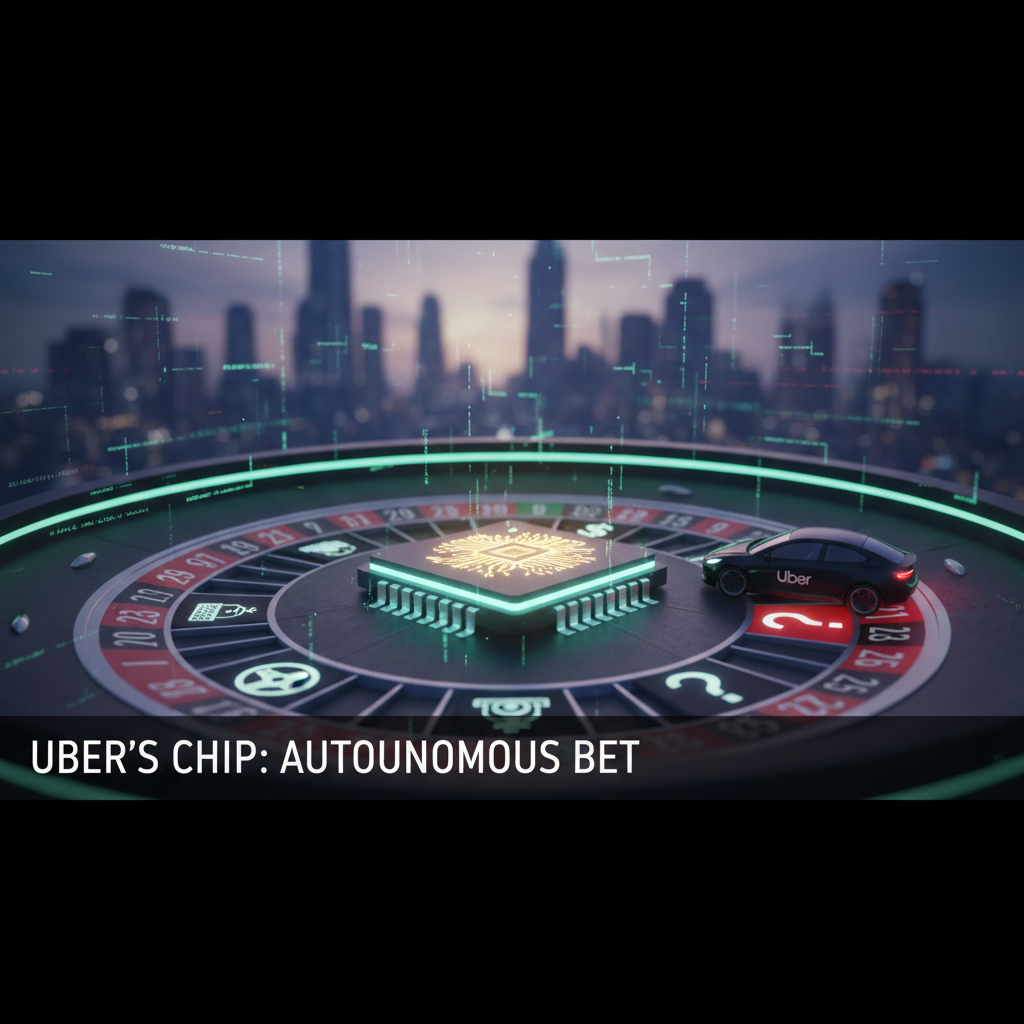
Uber’s Bet on Self-Driving: A New Chip on the Autonomous Vehicle Roulette Table
The self-driving landscape is a complex one, filled with both promise and peril. Recent developments, particularly Uber’s latest investment, highlight the continued evolution and strategic maneuvering within this dynamic industry. The deal, involving a significant fundraise for the self-driving truck startup Waabi, is more than just about trucks; it’s a calculated move by Uber to expand its presence in the burgeoning robotaxi market.
Waabi’s Fundraise and Uber’s Strategic Play
The financial details of the deal are noteworthy. Waabi secured $750 million upfront, with an additional $250 million from Uber contingent on meeting deployment milestones. This investment underscores the confidence in Waabi’s technology and its potential for future growth. For Uber, this represents a significant commitment to autonomous vehicles. This move, led by former Uber AI chief Raquel Urtasun, signals a strategic shift and expansion into robotaxis.
The Expansion into Robotaxis and Autonomous Vehicles
This investment marks a pivotal moment, with Uber placing another chip on the autonomous vehicle roulette table. The core of this strategy appears to be a broader expansion into the robotaxi sector. Robotaxis, or self-driving taxis, are seen as a transformative technology with the potential to revolutionize urban transportation. By backing Waabi, Uber is positioning itself to capitalize on this future.
The deal reflects a broader trend of investment and innovation in the self-driving sector. The involvement of Raquel Urtasun, who previously led AI efforts at Uber, adds a layer of expertise and strategic insight to the partnership. This collaboration underscores the importance of technological leadership and strategic partnerships in the competitive autonomous vehicle market.
The Role of Deployment Milestones
The agreement’s structure, with a portion of the funding tied to deployment milestones, is a key element of the deal. This approach incentivizes Waabi to achieve specific technological and operational goals, ensuring that the investment translates into tangible progress. These milestones are a practical measure of success, aligning the interests of both Uber and Waabi. This arrangement highlights the pragmatic approach Uber is taking to ensure the investment yields concrete results and furthers the development of autonomous vehicles.
Implications for the Future
The investment in Waabi has significant implications for the future of autonomous vehicles. It underscores Uber‘s commitment to this technology and its potential to reshape urban mobility. The deal also highlights the importance of strategic partnerships and technological expertise in the race to develop and deploy self-driving solutions.
The ongoing investment in self-driving technology, despite the challenges, indicates a strong belief in its long-term viability. The involvement of key players like Raquel Urtasun and the strategic deployment of funds suggest that Uber is playing a long game, positioning itself for future success in the rapidly evolving autonomous vehicle market. This move underscores the company’s commitment to innovation and its desire to stay at the forefront of technological advancements.
In conclusion, Uber‘s investment in Waabi is more than just a financial transaction; it’s a strategic move to secure a position in the autonomous vehicle market. This investment, with its focus on robotaxis and the expertise of Raquel Urtasun, reflects a broader trend of innovation and investment in self-driving technology. As the autonomous vehicle industry continues to evolve, Uber‘s latest move highlights the company’s dedication to shaping the future of transportation.
Leave a Reply