Blog

  • AI Startups LiveKit & Inferact Secure Funding, Market Booms

    AI Startups LiveKit & Inferact Secure Funding, Market Booms

    AI Startups LiveKit and Inferact Secure Major Funding Rounds, Signaling Strong Market Interest

    The artificial intelligence landscape continues to attract significant investment, as evidenced by recent funding rounds for two promising startups. These developments underscore the rapid growth and commercial potential within the AI sector, painting a picture of a market brimming with opportunity. This report delves into the specifics of these funding rounds and what they signal for the future of AI.

    LiveKit’s Ascent: A $1 Billion Valuation

    LiveKit, a voice AI engine that partners with OpenAI, has achieved a remarkable milestone. Following a $100 million funding round led by Index Ventures, the company is now valued at a staggering $1 billion. This valuation is a testament to the innovative work being done by LiveKit and the increasing demand for advanced voice AI solutions. The partnership with OpenAI further strengthens its position in the market, leveraging the cutting-edge capabilities of both entities. This funding round highlights the continued strong interest and investment in the AI sector.

    Inferact’s Seed Round and Market Valuation

    Simultaneously, inference startup Inferact has secured $150 million in a seed round, valuing the newly formed company at $800 million. This substantial investment in a seed round indicates the confidence investors have in Inferact’s potential to disrupt the AI market. This infusion of capital will likely fuel Inferact’s growth and allow it to further develop its inference capabilities. The successful seed round underscores the rapid growth and commercial potential within the AI landscape.

    The Broader Implications for AI Investment

    These two funding rounds are not isolated events but rather part of a larger trend. The AI sector is experiencing a period of significant investment, with venture capitalists and other investors recognizing the transformative potential of artificial intelligence. The success of LiveKit and Inferact serves as a bellwether for the overall health of the AI market. These investments demonstrate that the industry is not only attracting capital but is also seeing valuations that reflect the growing importance of AI across various sectors.

    The investment in these startups is driven by a number of factors, including the increasing sophistication of AI technologies, the growing demand for AI-powered solutions across various industries, and the potential for significant returns on investment. The ability of LiveKit to partner with OpenAI and the early success of Inferact indicate that investors are keen to back companies that are at the forefront of AI innovation.

    Conclusion: A Promising Future for AI

    The recent funding rounds for LiveKit and Inferact paint a promising picture for the future of AI. The continued investment in the sector, coupled with the innovative work being done by these and other startups, suggests that the AI market is poised for continued growth and expansion. These developments are not only good news for the companies involved but also for the broader economy, as AI technologies have the potential to drive innovation, create new jobs, and improve productivity across a wide range of industries.

    In short, the success of LiveKit and Inferact serves as a clear indication of the vibrant and dynamic nature of the AI market, and the significant opportunities that lie ahead. The future of AI appears bright, fueled by investment, innovation, and an unwavering belief in its transformative power.

    Source: TechCrunch

    🎙️ Latest Podcast

    Always plays the latest podcast episode

  • General Fusion Secures $1B Funding Through Reverse Merger

    General Fusion Secures $1B Funding Through Reverse Merger

    General Fusion Navigates Funding Challenges with $1B Reverse Merger

    In a move that underscores the volatile nature of the fusion power sector, General Fusion is set to go public via a reverse merger valued at $1 billion. This strategic maneuver, as reported by TechCrunch, will provide the company with over $300 million in capital, a critical infusion following a period of financial strain.

    General Fusion, a key player in the pursuit of fusion energy, has been grappling with the complexities of securing funding. The company’s decision to pursue a reverse merger highlights the hurdles faced in attracting traditional investment, particularly in the capital-intensive field of fusion power. This approach, which involves merging with an existing acquisition company, offers a pathway to public markets, allowing General Fusion to access a broader pool of investors.

    The Mechanics of the Merger

    The reverse merger, a method of going public, is designed to inject much-needed capital into General Fusion. The process bypasses the more traditional and often more arduous initial public offering (IPO) route. This transaction is expected to provide General Fusion with approximately $300 million, a sum intended to fuel its ongoing research and development efforts. The “how” of this is through a merger with an acquisition company.

    Challenges in Securing Funding

    The decision to pursue a reverse merger comes after the company encountered difficulties in raising funds from conventional investors. The “why” behind the reverse merger is to go public and raise money. This is a common challenge within the fusion power industry, where the promise of long-term returns often clashes with the immediate financial demands of research, development, and scaling operations.

    The difficulties General Fusion faced last year in securing investment reflect broader trends within the technology and energy sectors. The fusion power industry, while holding immense potential to reshape the energy landscape, is still in its nascent stages. Investors often approach such ventures with caution, factoring in the high costs, extended timelines, and inherent technological risks associated with fusion research.

    Looking Ahead

    The reverse merger represents a pivotal moment for General Fusion. It offers a chance to secure the financial resources needed to advance its fusion technology. The success of this strategy hinges on the company’s ability to navigate the public market landscape, maintain investor confidence, and ultimately, achieve its long-term goals. The “when” is 2026, when the merger is expected to be finalized.

    The company’s journey underscores the intricate dance between innovation, investment, and market dynamics within the energy sector. As General Fusion embarks on this new chapter, the industry will be closely watching to see if this strategic move will pave the way for a more sustainable and successful future.

    Source: TechCrunch

    🎙️ Latest Podcast

    Always plays the latest podcast episode

  • Humans& Bets on AI Collaboration: The Next Frontier

    Humans& Bets on AI Collaboration: The Next Frontier

    The hum of servers filled the room, a constant thrum beneath the focused energy of the team. It was late October 2025, and the Humans& engineers were deep in the weeds, poring over thermal test results. A new generation of foundation models for collaboration, as they called it, was on the line.

    Founded by alumni from Anthropic, Meta, OpenAI, xAI, and Google DeepMind, Humans& is betting big that the next leap in AI isn’t just about bigger models, but better coordination. Their focus, unlike many in the current AI landscape, isn’t on chatbot technology. Instead, they’re building systems designed for collaboration. Think AI that can help teams work together, not just generate text.

    The core of their approach, according to sources familiar with the company, involves a shift in how AI models are trained and deployed. Instead of solely focusing on language generation, Humans& is building models capable of understanding and responding to complex, multi-agent interactions. This means the AI can, for example, coordinate tasks, manage projects, or even facilitate negotiations. This is a big departure from current models.

    “The market is definitely moving in this direction,” said analyst Sarah Chen of Deepwater Research, during a call earlier this week. “We’re seeing a push for AI that can handle more complex workflows, and Humans& is positioned to capitalize on that.” Chen estimates the market for collaborative AI tools could reach $10 billion by 2027.

    The team is working towards several milestones. The M100 model, slated for release in early 2026, focuses on basic task coordination. The M300, planned for 2027, will incorporate advanced features like real-time decision-making and dynamic resource allocation. That’s the plan, anyway.

    Meanwhile, the supply chain is a constant concern. Export controls and manufacturing capacity are major hurdles. The team is aware of the limitations. They’re dealing with the same chip constraints and manufacturing bottlenecks as everyone else. SMIC versus TSMC is a daily conversation, and the US domestic procurement policies add another layer of complexity.

    The challenge, as some see it, is proving the value of coordination. It’s a different metric than the current benchmarks of language models. But Humans& is confident. The company believes that by focusing on collaboration, they can unlock a new level of productivity and efficiency.

    It’s a long shot, maybe. But the engineers kept working, the servers kept humming. The future, in their view, is collaboration.

    🎙️ Latest Podcast

    Always plays the latest podcast episode

  • Где найти “свободных” проституток Владивостока: интригующий взгляд на мир интим-досуга

    Владивосток, как один из самых динамичных и многообразных городов России, предлагает своим жителям и гостям множество возможностей для досуга. Одной из самых обсуждаемых тем, связанной с досуговыми возможностями, является проституция, которая в данном регионе легализована и регулируется на уровне законодательства. Проститутки в статусе «свободна» становятся не только объектами интереса, но и важным элементом городской субкультуры. В этой статье мы проведем детальный анализ мира интим-досуга во Владивостоке, рассмотрим, где можно найти свободных проституток, какие у них преимущества и особенности, а также ответим на актуальные вопросы, касающиеся безопасности и правовых аспектов.

    Зачем нам это знать? Быть в курсе актуальной информации о свободной проституции в Владивостоке — значит не только иметь представление о доступных ресурсах, но и понимать социально-экономические аспекты, связанные с этой темой. Читатели узнают о том, как правильно выбирать компаньонок, на что обращать внимание, и как обеспечить свою безопасность и комфорт. Мы уверены, что эта статья станет не только увлекательным чтением, но и полезным руководством в мире интим-досуга.

    Мир интим-досуга: как легализация меняет ситуацию

    Легализация проституции во Владивостоке оказала значительное влияние на рынок интимных услуг. Теперь сексуальные работницы могут обеспечить себе защиту, подать жалобу в случае насилия или эксплуатации, а также иметь возможность работать легально. Это привело к формированию более прозрачной сферы, где отношения между работником и клиентом регулируются нормами закона.

    Преимущества легализации

      приватно

    • Безопасность. Работницы и клиенты могут чувствовать себя более защищёнными, зная, что действуют в рамках закона.
    • Здоровье. Многие секс-работницы регулярно проходят медицинские осмотры, что снижает риск передачи инфекций.
    • Прозрачность. Легальная работа предоставляет возможность налогового учёта и официального трудоустройства, а значит, секс-работницы могут рассчитывать на соцобеспечение.

    Все эти факторы делают взаимодействие между клиентом и компаньонкой более комфортным и безопасным.

    Где найти “свободных” проституток во Владивостоке?

    Существуют различные способы найти свободных проституток во Владивостоке, и каждый из них имеет свои преимущества и недостатки. Мы рассмотрим наиболее популярные методы, а также поделимся секретами, которые помогут сделать ваш опыт максимально приятным.

    Интернет-платформы и специальные сайты

    Современные технологии предоставляют множество ресурсов для поиска интим-досуга. На специализированных сайтах вы можете ознакомиться с профилями проституток, узнать об их ценах и услугах, а также почитать отзывы предыдущих клиентов.

    • Преимущества: широкий выбор, возможность ознакомиться с условиями заранее, фильтры по параметрам (возраст, внешний вид, услуги и др.).
    • Недостатки: следует быть осторожным с мошенниками и фейковыми профилями.

    Салоны массажа и элитные клубы

    Это еще одно интересное место, где можно встретить свободных проституток. Салоны массажа часто предлагают разнообразные интимные услуги, а работающие там девушки могут быть как «свободными», так и «по вызову». Элитные клубы предлагают более высокий уровень обслуживания — здесь можно встретить девушек, предлагающих разнообразные услуги на более узкой базе.

    • Преимущества: высокий уровень сервиса, безопасность и поддержка со стороны администрации.
    • Недостатки: высокие расценки и необходимость придерживаться клубного дресс-кода.

    Открытые улицы и вечерние прогулки

    Хотя этот метод менее распространен, некоторые клиенты предпочитают находить девушек на улице. Во Владивостоке есть районы, которые стали популярными среди “свободных” проституток.

    • Преимущества: возможность поторговаться и найти более доступные предложения.
    • Недостатки: высокий риск столкнуться с насилием или обманом, а также с участниками криминального мира.

    Как выбрать и организовать встречу

    Правильный выбор компаньонки — это половина успеха. Чтобы ваш опыт оказался максимально приятным, необходимо учитывать несколько факторов.

    Критерии выбора

    1. Репутация. Обязательно ознакомьтесь с отзывами и рейтингами, прежде чем принимать решение.

    2. Услуги. Убедитесь, что услуги, которые предлагает секс-работница, соответствуют вашим ожиданиям.

    3. Цены. Выберите подходящий для вас диапазон цен и старайтесь держаться в этом рамках.

    Безопасность и комфорт

    • Личное пространство. Выбирайте места, где вы будете чувствовать себя комфортно и безопасно. Это может быть ваш дом или отель.
    • Безопасность. Используйте меры предосторожности, такие как обдуманный выбор времени и места, и всегда общайтесь с близкими о своих планах.

    Личные предпочтения и открытость

    Каждый человек уникален, и запросы на услуги могут варьироваться. Не стесняйтесь обсуждать свои предпочтения с компаньонкой — открытость поможет наладить контакт и сделать встречу более приятной для обеих сторон.

    Открытые запросы

    • Диалог. Общайтесь с девушкой о том, что вам интересно, и что она может предложить.
    • Согласие. Все должно происходить на условиях взаимного согласия, чтобы избежать недоразумений.

    Проявление уважения

    Важно помнить, что секс-работницы — это такие же люди, как и все остальные. Проявление уважения и понимания создаст положительный эффект на вашу встречу.

    Легализация и социальные аспекты

    Легализация проституции во Владивостоке не только предоставляет безопасность, но и порождает новые социальные тренды и взаимоотношения в обществе.

    Общество и стереотипы

    Несмотря на легализацию, стереотипы о проституции все еще существуют. Общественное мнение часто бывает негласно предвзятым, что заставляет секс-работниц скрываться.

    • Образование. Просвещение о легальных аспектах проституции может изменить взгляды на эту профессию.
    • Поддержка. Повышение заработка, защитные механизмы и возможность легального трудоустройства — важные аспекты.

    Экономические аспекты

    Легализация проституции может приносить значительные денежные поступления в бюджет города. Это позволяет решать многие социальные проблемы, включая борьбу с бедностью и поддержку социальных программ.

    Мифы и реальность

    Существует множество мифов о проституции, и важно разделить их на факты и вымысел.

    Обсуждаем мифы

    • Миф 1: Все секс-работницы работают по принуждению. Реальность: большинство женщин выбирают эту профессию добровольно.
    • Миф 2: Проститутки не могут быть счастливы. Реальность: многие сексуальные работницы ведут активную социальную жизнь за пределами своей работы.

    С этими и другими мифами стоит бороться через информирование и обсуждение открытых вопросов.

    Понимание работы секс-рынка во Владивостоке и легального статуса проституток — это не только путь к улучшению собственного совершения, но и способ помочь другим лучше ориентироваться в этой сфере, снимая существующие стереотипы и предрассудки. Искренность, открытость и стремление к безопасности являются ключевыми аспектами, которые будут способствовать позитивному взаимодействию.

    Принимая во внимание информацию, представленную в этой статье, вы сможете легче познакомиться с рынком услуг интим-досуга Владивостока, сделав свой выбор более обоснованным и осознанным.

    🎙️ Latest Podcast

    Always plays the latest podcast episode

  • Neurophos Raises $110M for AI Optical Chip Revolution

    Neurophos Raises $110M for AI Optical Chip Revolution

    Neurophos Raises $110M to Revolutionize AI Inferencing with Optical Chips

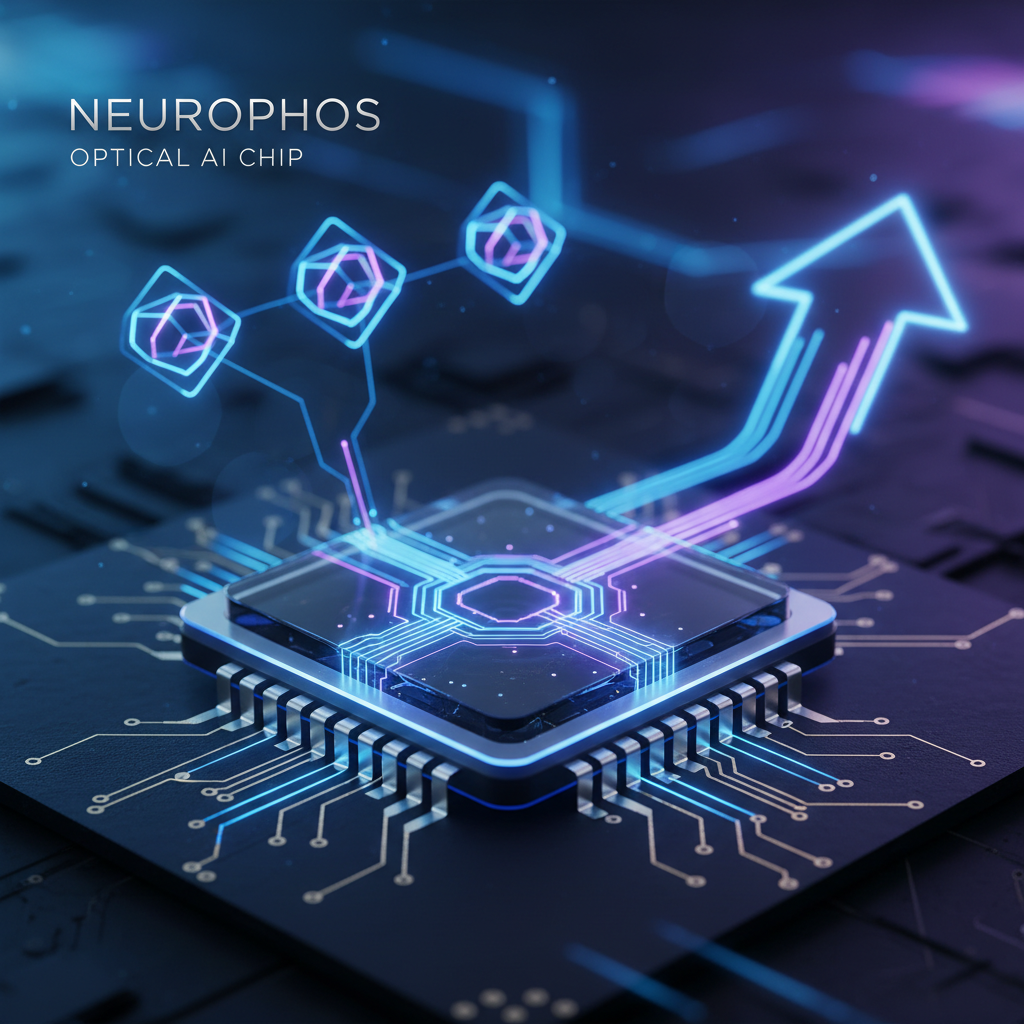
    In a significant stride toward a more efficient future for artificial intelligence, Neurophos has secured a substantial $110 million in funding. This investment underscores the growing recognition of the critical need to address the power consumption issues plaguing the AI industry. Neurophos is tackling this challenge head-on with an innovative approach: developing tiny optical processors designed specifically for AI inferencing tasks.

    The Quest for Power Efficiency in AI

    The AI industry is booming, but its growth is being hampered by a significant bottleneck: power efficiency. As AI models become more complex, the energy required to run them skyrockets, leading to increased costs, environmental concerns, and limitations in deployment, particularly in edge computing scenarios. Neurophos aims to overcome these limitations by using a novel optical chip that leverages a composite material to perform the complex mathematical operations required for AI inferencing tasks.

    This innovative approach promises to drastically reduce power consumption compared to traditional electronic chips. By using light instead of electricity, Neurophos hopes to create processors that are not only more energy-efficient but also faster and more compact. This could open up new possibilities for AI applications in various fields, from mobile devices to data centers.

    How Neurophos Is Doing It

    The core of Neurophos’s technology lies in its use of a composite material that can manipulate light in intricate ways. This allows the chip to perform the complex calculations needed for AI inferencing with remarkable efficiency. The company’s focus on optical processing represents a paradigm shift from conventional electronic processors. This shift could lead to a new generation of AI hardware that is more sustainable and capable of handling increasingly complex tasks.

    This is where the ‘how’ comes into play. The company is using a composite material to perform the math required in AI inferencing tasks. This is a key element of the process.

    The Significance of the $110M Funding

    The $110 million funding round is a testament to the potential of Neurophos’s technology and the confidence investors have in its vision. This investment will enable the company to accelerate its research and development efforts, scale up production, and bring its innovative optical processors to market. The funding will also support the expansion of its team and infrastructure, positioning Neurophos to become a leader in the AI hardware space.

    This funding will help Neurophos solve the AI industry’s power efficiency problem and perform AI inferencing tasks.

    Looking Ahead

    The future looks bright for Neurophos. By focusing on optical processing, the company is positioning itself at the forefront of a technological revolution. As AI continues to evolve, the need for more efficient and powerful hardware will only increase. With its innovative approach and substantial funding, Neurophos is well-equipped to meet this demand and shape the future of artificial intelligence. The company’s success could pave the way for a new era of AI, one that is more sustainable, accessible, and powerful.

    This article is based on the information from TechCrunch.

    🎙️ Latest Podcast

    Always plays the latest podcast episode

  • Neurophos Raises $110M for AI Optical Processors

    Neurophos Raises $110M for AI Optical Processors

    Neurophos Raises $110M to Build Tiny, Efficient Optical Processors for AI

    In a move that could reshape the future of artificial intelligence, Neurophos has secured a substantial $110 million in funding. The company is tackling the AI industry’s persistent power efficiency problem head-on with an ambitious project: the development of an optical chip designed specifically for AI inferencing tasks. This innovative approach leverages a composite material to perform the complex mathematical calculations required for these tasks, promising a significant leap forward in processing efficiency.

    The Power Efficiency Problem in AI

    The rapid advancement of AI has been accompanied by a significant challenge: the escalating power consumption of AI systems. As AI models grow in complexity, the energy required to run them increases exponentially. This not only raises operational costs but also limits the deployment of AI in resource-constrained environments, such as edge devices and mobile applications. Neurophos’s solution, an optical chip, offers a potential pathway to overcome these limitations.

    How Neurophos Is Tackling the Challenge

    Neurophos is employing a novel approach by utilizing an optical chip built with a composite material. The primary goal is to address the power-hungry nature of current AI inferencing processes. By using light instead of electricity for computation, Neurophos aims to significantly reduce energy consumption. This shift to optical processing could lead to more efficient AI hardware, enabling faster and more cost-effective AI inferencing. The use of a composite material is central to this innovation, allowing the chip to perform complex calculations with remarkable efficiency.

    The Significance of the Funding

    The $110 million in funding represents a significant vote of confidence in Neurophos’s vision and technological approach. This capital infusion will likely fuel the company’s research and development efforts, allowing it to accelerate the development and commercialization of its optical chip technology. The investment suggests a strong belief in the potential of Neurophos to disrupt the AI hardware market and provide a sustainable solution to the industry’s energy concerns.

    The Broader Impact on AI

    The success of Neurophos could have far-reaching implications for the AI landscape. More efficient AI hardware could pave the way for advancements in various fields, including:

    • Edge computing: Enabling AI applications on devices with limited power resources.
    • Mobile AI: Improving the performance and battery life of AI-powered smartphones and other mobile devices.
    • Data centers: Reducing the operational costs and environmental footprint of AI infrastructure.

    By addressing the power efficiency issue, Neurophos is contributing to a future where AI is more accessible, sustainable, and powerful.

    In essence, Neurophos’s innovative approach promises to redefine the landscape of AI hardware. The company’s focus on optical chips and composite materials provides a fresh perspective on how to tackle the persistent power efficiency challenge. With $110 million in funding, Neurophos is well-positioned to drive significant advances in AI inferencing, potentially reshaping the future of AI technology.

    Source: TechCrunch

    🎙️ Latest Podcast

    Always plays the latest podcast episode

  • Quadric: On-Device AI Chips Revolutionize Computing

    Quadric: On-Device AI Chips Revolutionize Computing

    The hum of servers used to be the sound of AI. Now, it’s the quiet whir of a chip, nestled inside a device. At least, that’s the bet Quadric is making. The company, aiming to help companies and governments build programmable on-device AI chips, is riding the wave of a significant shift in the artificial intelligence landscape. The move away from cloud-based AI to on-device inference is gaining momentum, and Quadric seems well-positioned to capitalize.

    Earlier this week, during a call with investors, a Quadric spokesperson highlighted their focus on fast-changing models. This means the ability to run updated AI algorithms locally, without constantly pinging the cloud. It’s a critical advantage in fields like edge computing, robotics, and even national security, where latency and data privacy are paramount.

    The technical challenges are significant. On-device AI demands powerful, yet energy-efficient, processing. Traditional GPUs, designed for the cloud, often fall short. Quadric’s approach involves developing specialized chips. These chips are designed to handle the complex computations needed for AI models right on the device. This is a bit of a departure from the conventional wisdom of recent years.

    “The market is definitely moving in this direction,” said John Thompson, a senior analyst at Forrester, in a recent interview. “We’re seeing increased demand for low-latency, secure AI solutions, and on-device inference is a key enabler.” The analyst also noted a shift in procurement priorities in key markets, especially in light of export controls and domestic supply chain policies.

    Consider the details: Quadric’s roadmap includes the M100 and M300 chips, with projected releases in 2026 and 2027, respectively. The company is targeting a performance increase of up to 5x compared to existing solutions, as per internal projections. But the true test will be the real world, and how well these chips can handle the dynamic demands of AI models.

    Meanwhile, the supply chain remains a critical factor. The availability of advanced manufacturing processes, particularly those offered by TSMC, could be a bottleneck. The U.S. export rules and domestic procurement policies also play a significant role. It’s a complex equation, where innovation meets the realities of global politics and manufacturing capacity.

    Still, the shift towards on-device AI is clear. Quadric is among the companies poised to benefit. It’s a space that’s going to be interesting to watch as the year progresses.

    🎙️ Latest Podcast

    Always plays the latest podcast episode

  • Quadric: On-Device AI Chips Revolutionize Computing

    Quadric: On-Device AI Chips Revolutionize Computing

    The hum of servers, usually a constant drone, seemed to quiet slightly, or maybe that’s how the supply shock reads from here. Inside Quadric’s engineering lab, the team was running thermal tests on the new M300 chip, slated for release in early 2027, according to their roadmap. The goal: to enable AI processing directly on devices, bypassing the need for constant cloud connectivity.

    It’s a strategic pivot, as the industry begins to recognize the limitations of cloud-dependent AI. Quadric, founded with the aim of helping companies and governments, sees the potential in programmable on-device AI chips. They’re designed to run fast-changing models locally. This means quicker response times and enhanced data privacy, key selling points in an increasingly security-conscious world.

    “We’re seeing a significant shift,” said analyst Maria Chen from Forrester, during a recent industry briefing. “The demand for on-device inference is surging, and companies like Quadric are well-positioned to capitalize. We project the market to reach $15 billion by 2028.” That’s a bold number, considering the sector was still nascent just a few years ago. But the need is there: think of self-driving cars needing instant reactions, or edge devices in remote locations with limited bandwidth.

    The technical challenges are significant. Building these chips requires advanced manufacturing, and the global supply chain, still recovering from recent disruptions, adds another layer of complexity. Export controls also play a major role. Quadric, like many in the industry, has to navigate the complex web of US and international regulations. The company is likely looking at options for domestic procurement policies in China, which could influence their strategy.

    Earlier today, the team was reviewing the performance metrics for the M100, which is already in use. The focus now is on the M300, which promises a substantial performance leap. The engineers were huddled around monitors, analyzing the data. The atmosphere was focused, the air thick with anticipation. The M300 is expected to offer a 4x performance increase over the M100, according to internal projections.

    The shift to on-device AI is more than a technological evolution; it’s a strategic move. It gives companies and governments greater control over their data and operations. Quadric is, in a way, at the forefront of this transformation. Their success will depend on their ability to deliver on their promises, navigate the complex regulatory landscape, and, of course, stay ahead of the competition.

    🎙️ Latest Podcast

    Always plays the latest podcast episode

  • Tiger Global & Microsoft Exit PhonePe Ahead of IPO

    Tiger Global & Microsoft Exit PhonePe Ahead of IPO

    The numbers were coming in fast, screens flickering in the subdued light of the Bloomberg terminal room. It was January 22, 2026, and the news was breaking: Tiger Global and Microsoft were set to fully exit their positions in PhonePe, the digital payments firm backed by Walmart. The move, announced ahead of PhonePe’s initial public offering, sent a ripple through the market, or so it seemed.

    Walmart, however, wasn’t following suit. Instead, the retail giant planned to retain its majority stake, while also offloading up to 45.9 million shares. The shift in strategy was immediately apparent, and the air in the room felt thick with speculation. What did it mean? Did the exits signal a lack of faith, or a strategic realignment? Or something else entirely?

    The atmosphere was tense, the chatter on the conference call, muted. Analysts were already running the numbers, trying to make sense of the valuation implications. One expert, speaking from the Peterson Institute for International Economics, suggested the move could reflect a broader trend. “It’s about portfolio diversification, and maybe, just maybe, a reassessment of risk in the current climate,” she said, her voice a steady counterpoint to the rising tide of market noise.

    Tiger Global and Microsoft’s decision to fully exit, while Walmart held steady. It was a stark contrast.

    The financial mechanics were intricate, the details of the IPO still unfolding. But the core story was clear: major players were making significant moves. The market’s reaction, of course, was the key.

    The implications were vast, and the possible scenarios, numerous. A successful IPO would validate PhonePe’s growth trajectory, but it also opened the door to new risks. Tax implications, regulatory hurdles, and evolving consumer behavior—all were factors that would shape the company’s future.

    The analysts continued to tap at their spreadsheets, the data points flashing across their screens, the sound a low hum. It was a complex, evolving situation, and the final chapter, still unwritten.

    And it was clear, the story wasn’t over.

    🎙️ Latest Podcast

    Always plays the latest podcast episode

  • Tiger Global & Microsoft Exit PhonePe IPO: Market Shift

    Tiger Global & Microsoft Exit PhonePe IPO: Market Shift

    The news hit the wires on January 22, 2026, a Tuesday, and the trading floor felt… subdued. Or maybe it was just the usual mid-week quiet, the air conditioning humming a steady drone, analysts already tapping away at spreadsheets. Tiger Global and Microsoft were finally pulling out of PhonePe, the Walmart-backed digital payments firm, via its upcoming IPO. Not a complete surprise, but the scale of the exit was notable.

    Reports indicate that Tiger Global and Microsoft are offering their full stakes. Walmart, on the other hand, is retaining its controlling interest, though it’s also selling a chunk – up to 45.9 million shares. It’s a shift, a repositioning, the kind that always makes you wonder what the smart money sees that the rest of us don’t.

    Details are still emerging, but the implications are already echoing. The market’s initial reaction? Muted, as far as could be seen. A quick glance at the early trading indicators told the story. This isn’t necessarily a sign of trouble, of course — it could be a strategic move to capitalize on the IPO’s potential. Still, some analysts are cautioning against reading too much into the initial reaction, suggesting a wait-and-see approach. As one financial analyst from a well-known research firm, said, “These kinds of exits are complex, reflecting a blend of portfolio strategy, market timing, and potentially, tax considerations.”

    This isn’t the first time we’ve seen this kind of play. There’s a pattern, a rhythm, to these large-scale exits. The timing, the valuation, the overall market conditions – all play a part, a complicated dance. It’s a game of chess, in a way. The players are shifting their pieces, and the board is constantly changing.

    The exit of these major investors raises several questions. What does this mean for PhonePe’s future? For Walmart’s long-term strategy in the Indian market? And, perhaps most importantly, what does it signal about the broader tech investment landscape? The answers, as always, are not straightforward.

    The details will become clearer in the coming weeks. But the initial move is made. The stakes are set.

    🎙️ Latest Podcast

    Always plays the latest podcast episode